
Last updated November 16, 2026
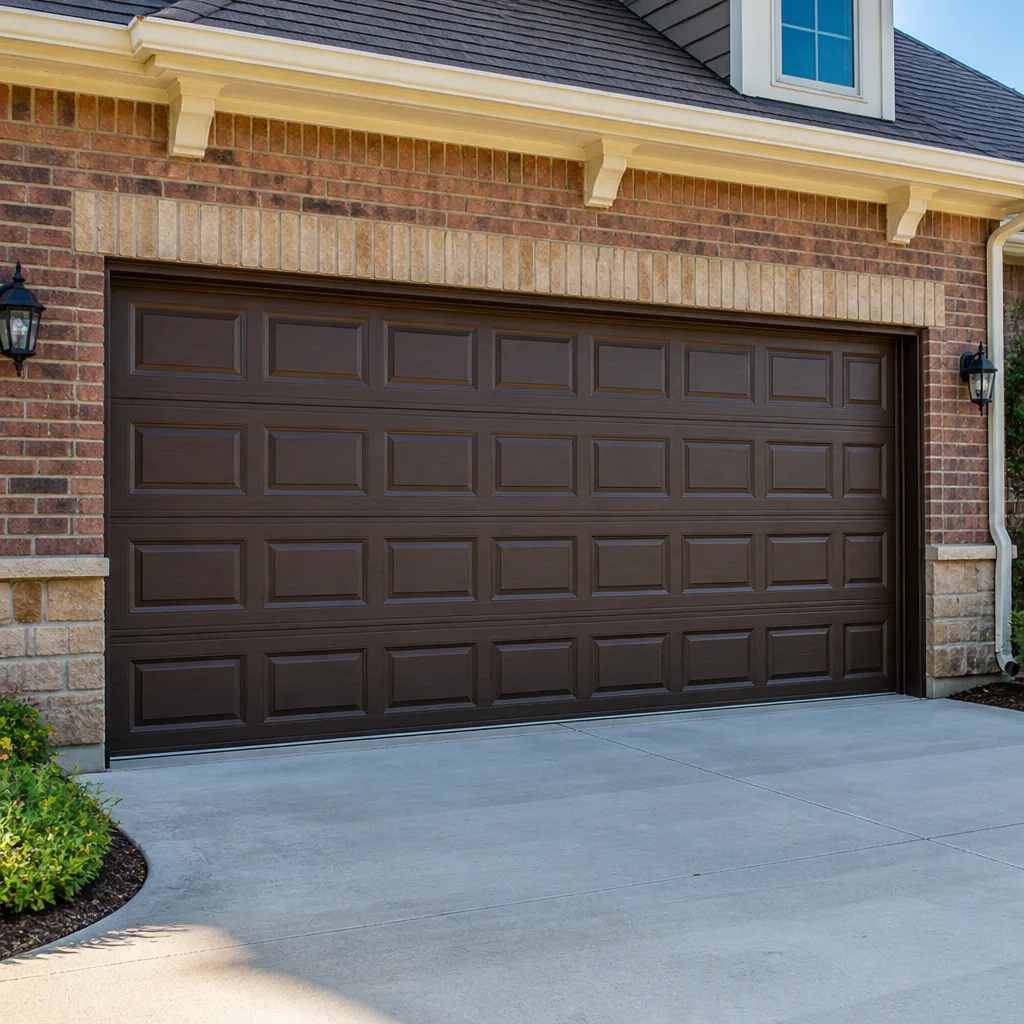 Raised-panel steel
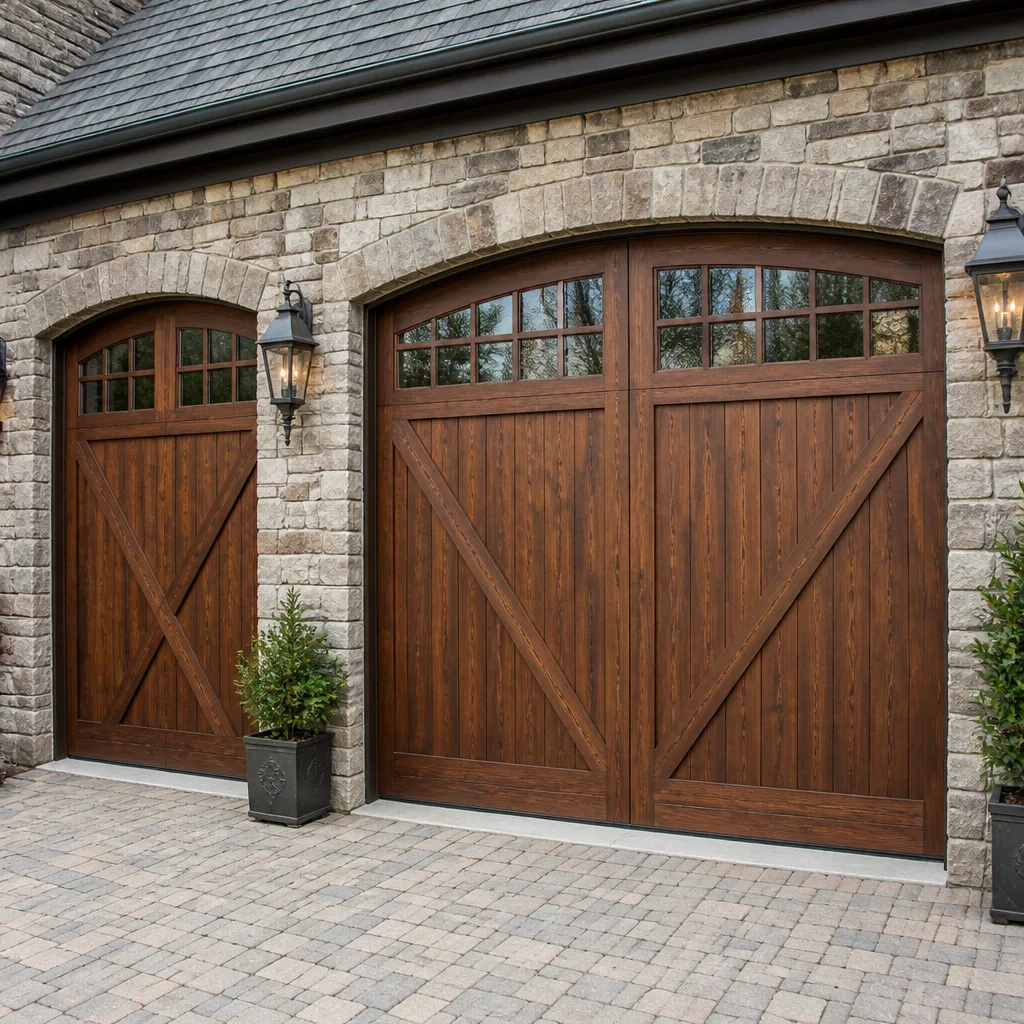 Carriage house
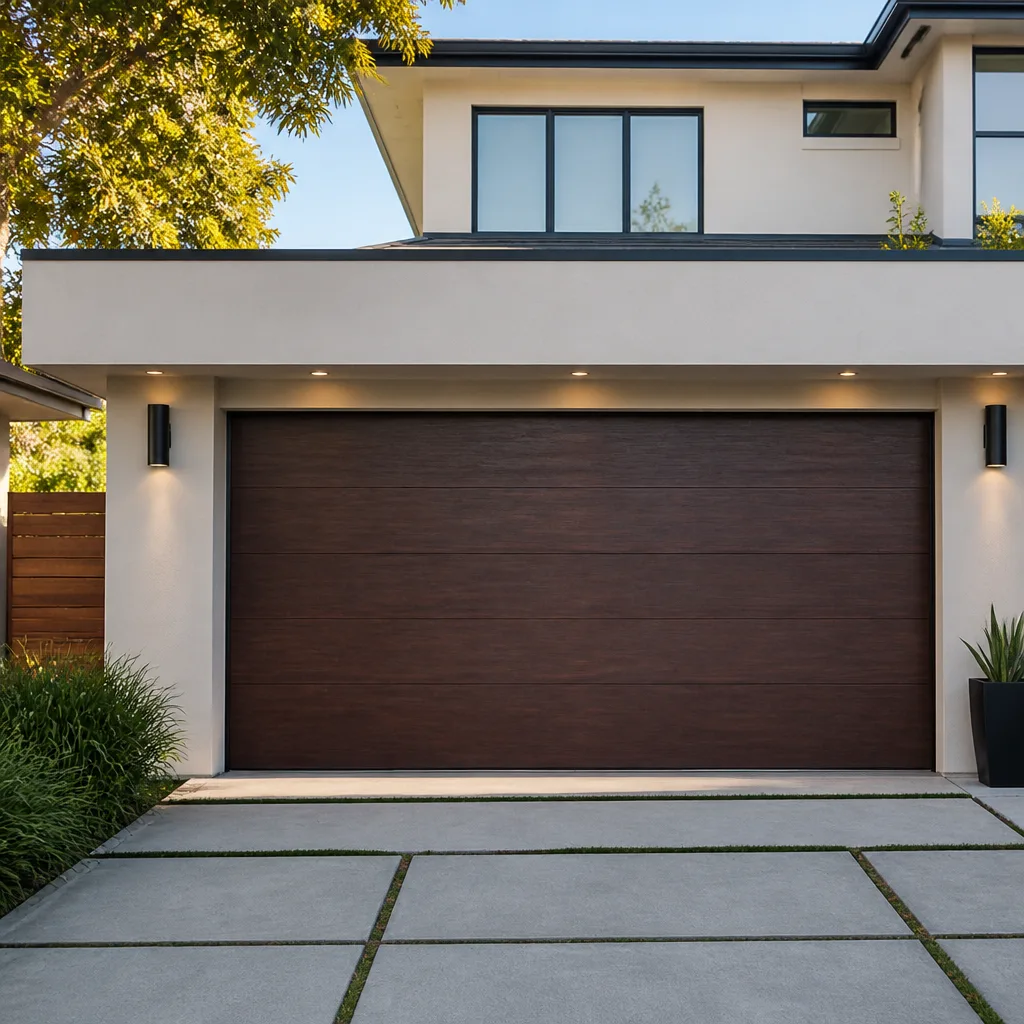 Modern flush
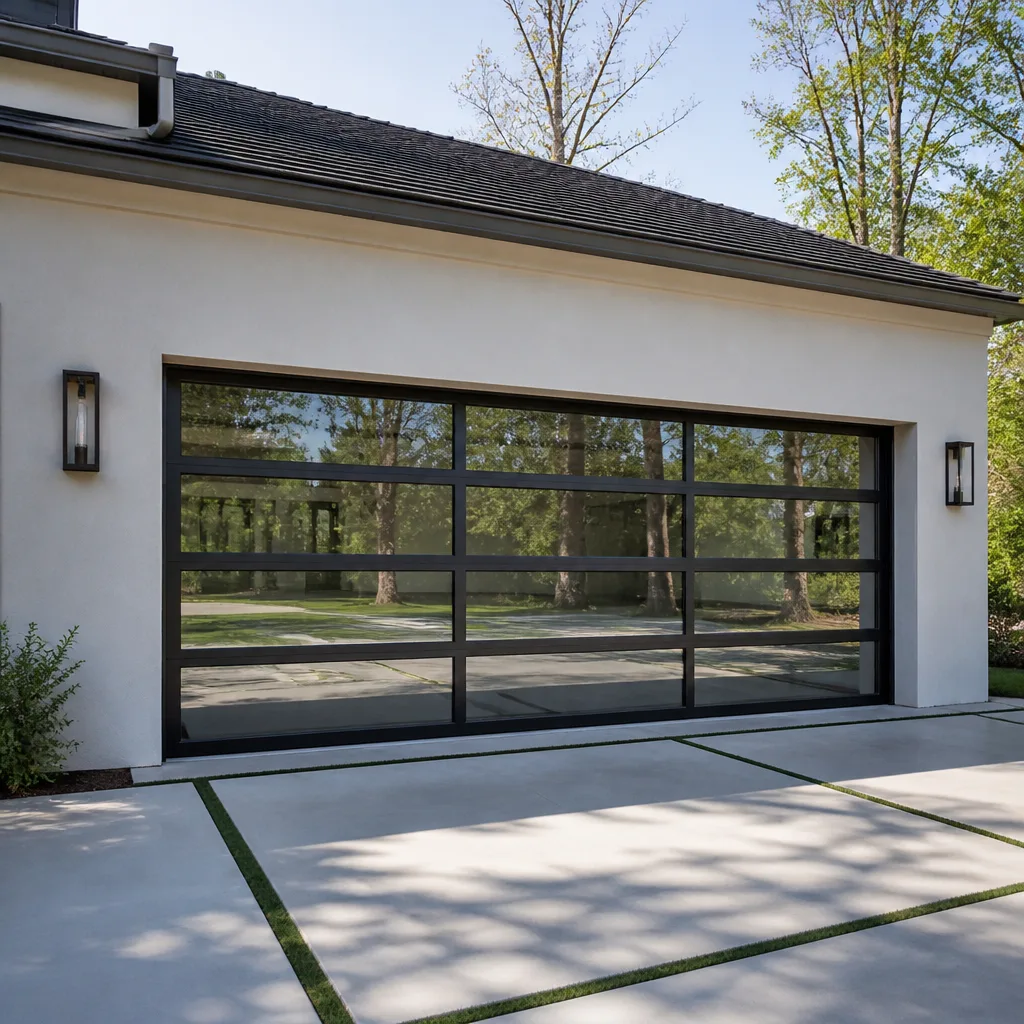 Full-view glass
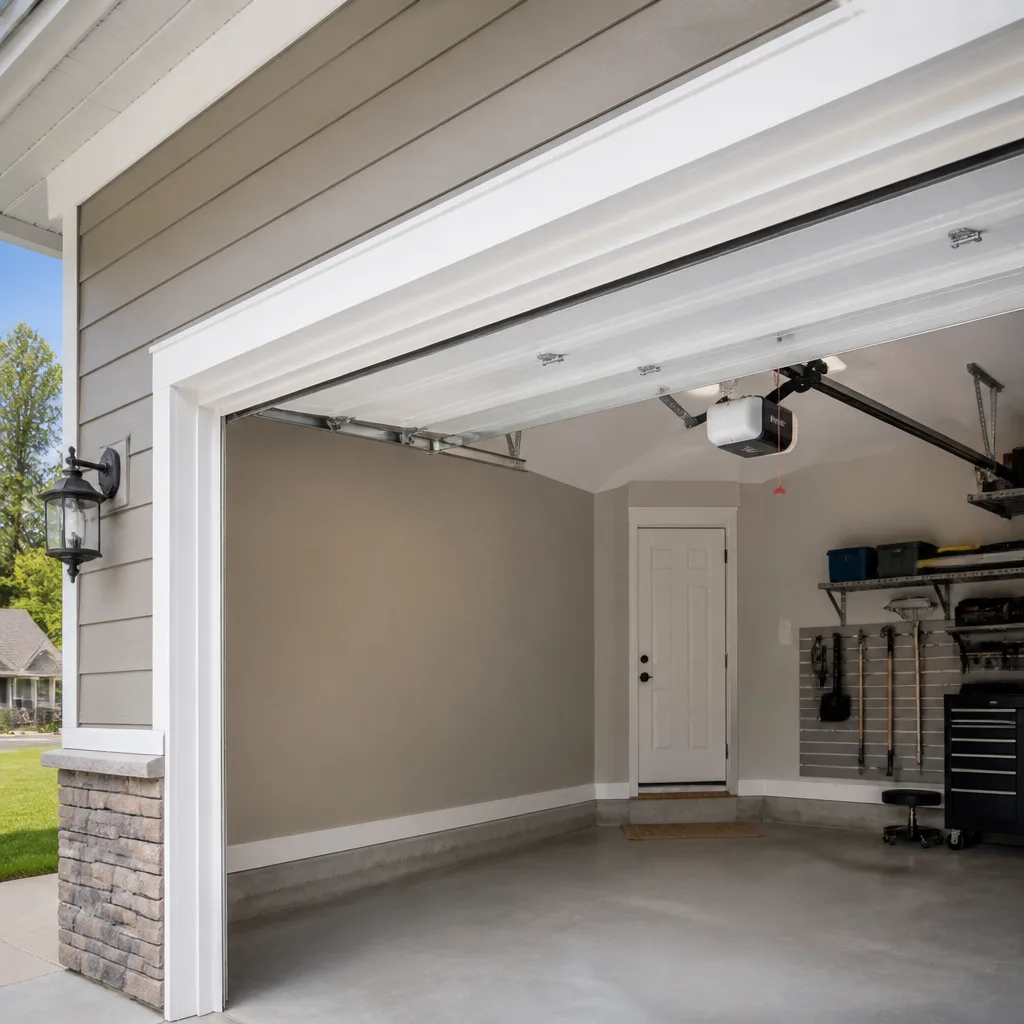 LiftMaster openers
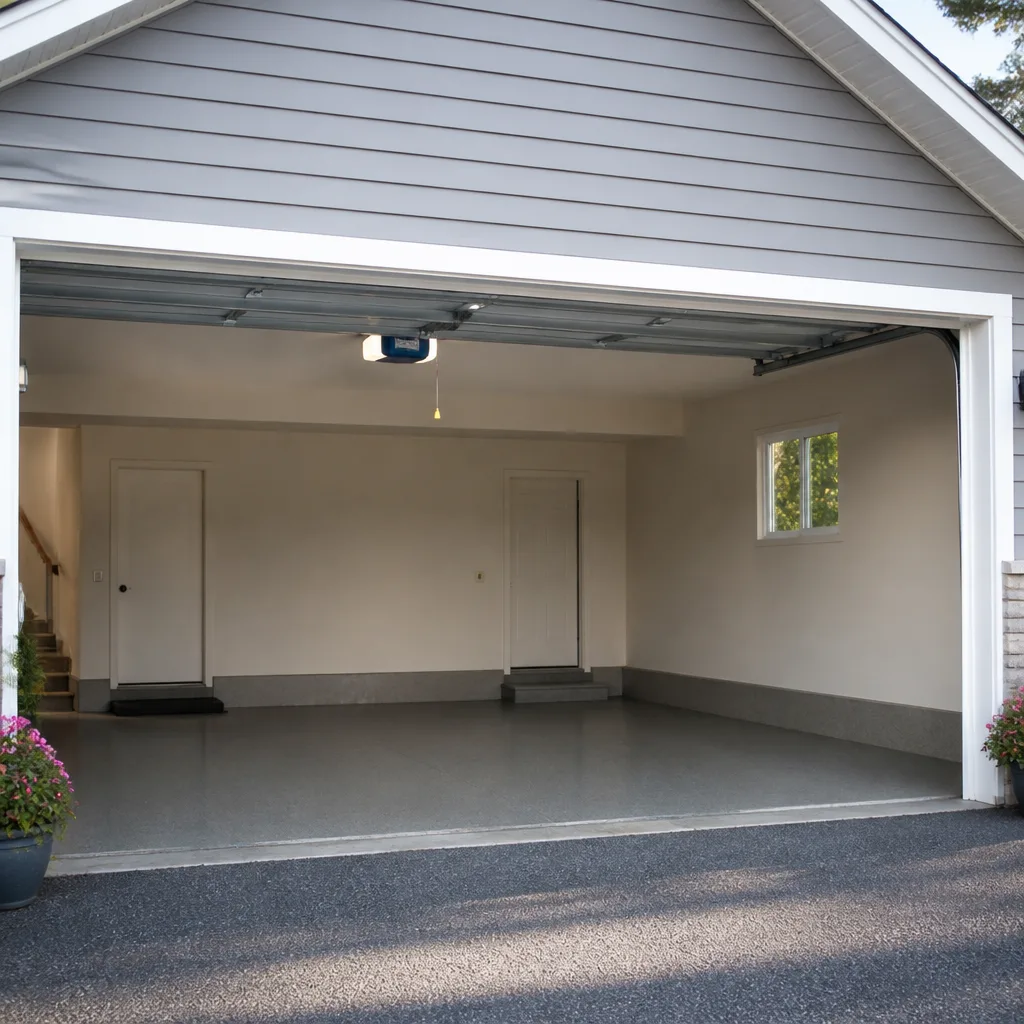 Chamberlain openers
Full 25-point door and opener safety check with every visit - springs, cables, rollers, tracks, and your LiftMaster or Chamberlain opener included
You get a price before we start. It does not change when the pro arrives.
Get your free estimateSeasonal Garage Door Care for Peoria: Year-Round Homeowner’s Guide
Most garage door maintenance advice is written for a climate with four gentle seasons and a homeowner with plenty of time. Peoria doesn’t work that way. We get a long stretch of extreme dry heat, a short but intense monsoon window, and two mild shoulder seasons that almost nobody uses properly. The common mistake is to treat maintenance as an annual checkbox in spring, or to wait until something breaks in July and call for emergency help when the door is already stuck open in triple-digit heat. What this guide gives you is a Peoria-specific calendar: what to check in the window before summer, what to inspect after a monsoon storm, why fall is the honest time to handle deferred repairs, and what’s actually normal for an opener on a cold desert morning. By the end you’ll know which tasks you can safely handle yourself and which ones belong with a trained technician who works on garage doors every day.
Quick Answer
In Peoria, seasonal garage door care comes down to four checkpoints: a pre-summer tune-up between mid-April and late June (seals, lubrication, and spring tension verification before peak heat), a post-storm inspection protocol during monsoon season from July through September, a fall window in October and November for any deferred repairs and opener battery replacement, and a winter check for cold-morning sluggishness in the opener. Year-round, the sun is the quiet enemy – UV exposure degrades weather stripping and panel finish faster here than in cooler climates, so protecting those surfaces is a standing task, not a seasonal one.
Styles & brands we work with
- Raised-panel steel
- Carriage house
- Modern flush
- Full-view glass
- LiftMaster openers
- Chamberlain openers
Table of Contents
- Why a Peoria Maintenance Calendar Looks Different
- Pre-Summer Checklist: Mid-April Through Late June
- Monsoon Season: Post-Storm Inspection Protocol
- Fall Transition: The Best Window for Deferred Repairs
- Winter: Cold-Morning Sluggishness and What It Means
- Year-Round UV Protection for Panels and Weather Stripping
- What You Can Safely Check vs. What Needs a Technician
- Common Mistakes to Avoid
- When to Call a Professional
- Frequently Asked Questions
Why a Peoria Maintenance Calendar Looks Different
Peoria doesn’t have four equal seasons. It has two punishing ones and two mild ones, and a maintenance calendar built for a temperate climate will leave you reacting to failures instead of preventing them. The heat is the dominant factor. From late spring into early fall, the inside of a west-facing garage can be brutal, and every component that flexes, seals, or holds tension is working in conditions that accelerate wear. A metal door expands in the heat and contracts overnight, and your weather stripping takes that daily swing every single day for months.
The monsoon is the second factor. The storms that roll through the Valley from July into September bring wind-driven rain and blowing dust. Debris collects in tracks, seals take a beating at the corners, and the safety sensors at the bottom of the door can shift out of alignment after a night of gusting. None of this happens gradually the way it does in wetter climates – it happens in a single evening.
The two mild seasons, roughly October through November and March through early April, are the gift in this calendar. They’re your opportunity windows: comfortable enough to work outside, stable enough that a repair you schedule now will hold through the next extreme. Homeowners in Peoria who understand this rhythm spend less on reactive repairs and get more years out of the equipment they already own.
One more thing that’s local and often overlooked: new construction and remodels keep adding homes across Peoria, and a lot of those homes have builder-grade openers and doors that were never adjusted after installation. If you’ve moved into a newer house in the last few years, assume the door has never been balanced properly until you’ve verified it.
Pre-Summer Checklist: Mid-April Through Late June
The window between mid-April and late June is the single most important maintenance period for a garage door in Peoria. Do the work then and your door carries you through the worst of summer; skip it and you’re far more likely to be calling for repair in 112°F heat with a door that won’t close. April and May are cool enough to spend an hour in the garage, and June is your last chance before the long stretch begins.
Here’s the checklist, in order:
- Inspect the weather stripping and bottom seal. Run your hand along the bottom rubber and the perimeter seal. Look for cracking, flattening, and gaps where daylight comes through. UV and heat dry this material out faster in Peoria than almost anywhere, and a failed bottom seal lets in dust, heat, and insects.
- Clean and lubricate moving parts. Use a garage-door-specific lubricant on hinges, rollers, and the torsion bar bearings. Avoid heavy grease that attracts grit – in a dusty desert environment, thick grease becomes an abrasive paste.
- Verify spring tension. Springs hold enormous stored energy, so this is a visual and observational check, not a hands-on adjustment. Does the door feel balanced when you lift it manually – about the weight of a small child? Does it stay put at mid-height when you let go? Does it rise evenly, or hesitate on one side? If the answer to any of those is no, the springs or cables need a trained technician.
- Test the door balance. Disconnect the opener (pull the release handle) and lift the door by hand to about waist height. A properly balanced door should stay there or move only slightly. A door that slams down or requires real effort to lift is out of balance.
- Check the tracks. Look for bends, dents, or debris. Tracks should be straight and clean. Never try to bend a track back into shape yourself – a small misalignment can cause the door to bind and damage the panels.
- Test the safety reverse. Place a roll of paper towels or a piece of wood flat under the door path and close it. The door should reverse immediately on contact. Test the photoelectric sensors by passing an object through the beam while the door is closing. If it doesn’t reverse, stop using the opener until it’s repaired.
- Listen to the opener. Grinding, rattling, or a strained motor sound is an early warning. This is the time to schedule garage door opener repair, not in August.
- Wash and inspect the panels. A clean door sheds heat better and lets you spot cracks, rust points, or panel separation you’d otherwise miss.
If you complete that list in April, you’ve handled the items that cause the most summer breakdowns. If any item fails, deal with it before June ends. A spring that’s already tired in April won’t last through a Peoria summer, and garage door repair scheduled on your terms is faster, cheaper, and safer than the same repair forced on you at the worst possible time.
Safe vs. hands-off: cleaning, lubricating, and testing are homeowner tasks. Spring adjustment and cable work are not. Torsion springs are under extreme tension and can cause serious injury if handled without the right tools and training. Our technicians have up to 8 years of experience with this equipment, and we’d rather you call us than take that risk.
Monsoon Season: Post-Storm Inspection Protocol
Monsoon season runs July through September in Peoria, and the storms here arrive fast – wind-driven rain, blowing dust, and debris that finds its way into every gap in your garage. The problem is that damage rarely announces itself the way a full breakdown does. A door can be slightly out of alignment after a storm and run for weeks before it fails. The post-storm inspection is about catching small problems before they compound.
Following a significant storm, work through this protocol:
- Look at the seals first. Check the bottom rubber and perimeter stripping for tears, peeling, or sections that have pulled loose. Wind-driven rain is very good at finding a small gap and making it bigger.
- Clear the tracks. Blown debris, leaves, gravel, and dust collect in the track channels. Wipe or vacuum them out. A single pebble in a track can cause the door to bind on the next cycle.
- Check sensor alignment. The safety sensors at the bottom of the door can shift with vibration or wind. The indicator lights on most units will tell you if the beam is interrupted. Test the door’s reverse function after every storm that produces real wind.
- Inspect the panels for impact damage. Hail is uncommon here, but wind-blown debris isn’t – branches, roof gravel, and patio furniture all find their way to garage doors during monsoon gusts. Look for dents, cracks, and separation between panels.
- Test the opener’s operation under load. Cycle the door a few times and listen. Any new noise, hesitation, or uneven movement after a storm is worth investigating before it becomes a repair call.
- Check for moisture intrusion. Look at the floor inside the door and along the threshold after heavy rain. Water getting in means a seal is failing, and that’s worth fixing before the next storm.
In our experience, the most common post-monsoon issues in Peoria are misaligned safety sensors and blown debris in the tracks – both quick fixes if caught early, both capable of stranding your door if ignored. If the door won’t reverse on contact after a storm, don’t use the opener. That’s a safety issue and it belongs with a technician.
One local note: monsoon storms often arrive in the evening. If your door fails overnight, call and we’ll book you into the next opening. We answer 24/7, with fast dispatch from 7am to 7pm, Sunday through Friday – the crew can be heading your way when the dispatch day starts.
Fall Transition: The Best Window for Deferred Repairs
October and November are the best months of the year to schedule garage door work in Peoria. The temperatures are mild, the door isn’t fighting thermal extremes, and a repair completed now holds through winter and into next spring. Fall is when deferred repairs should stop being deferred.
The two staples of the fall check are simpler than they sound:
- Handle every deferred repair. That hesitation at 3/4 open you noticed in August? That small drip of daylight under the bottom seal? The sensor that occasionally flickers? Fall is the window to fix all of it. Repairs compete less for attention, and the work is done before the door is stressed again.
- Replace the opener’s battery backup. If your opener has a battery backup, it works less when everything’s normal and matters most when the power is out. Check the backup function and replace the battery if it’s overdue. Since it’s likely a LiftMaster or Chamberlain unit if you live in newer Peoria construction, the battery is a common replacement part.
Fall is also the time to check the door’s hardware for looseness that developed over the summer. Heat expansion and daily cycles gradually work bolts and hinges loose. A quick visual pass over hinges, brackets, and the operator arm is worthwhile, and anything that looks loose or worn goes on the list for a technician.
Finally, think about deferred replacement in fall. If your door is showing real wear – cracked panels, failing finish, or an opener that needs major repair – the mild season is the right time to measure and schedule. New installations and full replacements take time: we measure, you pick a door, the manufacturer supplies it, and we schedule the install. We work on the brand you already have, so if your existing door or opener is a Raynor, Craftsman, Genie, Amarr, Clopay, Wayne Dalton, LiftMaster, or Chamberlain system, our technicians can diagnose it before you commit to a replacement. Need a full new door? Visit our Peoria service page for the installation side, and we’ll give you a written price after a free measure rather than a phone estimate.
Winter: Cold-Morning Sluggishness and What It Means
Winter in Peoria means cool mornings, not cold extremes, but a garage door opener still notices the difference. When temperatures drop into the 40s overnight, the grease in the opener and the tracks thickens slightly. The door may open a little slower, sound a bit louder for the first cycle, and then act normal once the garage warms up. That’s a normal cold-morning response.
What isn’t normal:
- The door hesitates or stalls partway through a cycle even after the garage has warmed.
- The opener strains audibly or the motor sounds like it’s working much harder than usual.
- The door moves unevenly, with one side rising faster than the other.
- The opener stops and reverses without any contact or obstruction.
- A burning smell or unusual heat from the opener motor housing.
Those symptoms point to something specific – a failing gear or sprocket, worn bearings, a tired spring, a sensor problem, or a torque setting that’s off. None of them are about viscosity, and none of them go away if you wait for spring. If your opener’s struggling in cooler temperatures, that’s the time to schedule garage door opener repair.
Grease viscosity is worth understanding even though it’s a normal factor rather than a problem. The lubricant appropriate for Peoria’s heat and dust is usually a light-specific garage door lubricant, not the heavy grease that becomes stiff in cool temperatures. If you’ve used something heavy in the past, a technician can tell you whether the hardware is properly lubricated or whether the existing product is causing drag.
Winter is also a good time for the human-side checks: clear the path into the garage, make sure nothing is leaning against the door on the inside, and verify the safety sensors are unobstructed. Cooler weather sometimes tempts people to pile boxes in the garage more densely, and a box that ends up in the door’s path is an easy way to damage a panel or trip the opener’s force setting.
A door that fails on a cold morning isn’t an emergency in the way a failed spring is. Call us, and we’ll book an appointment. We answer 24/7, and a call outside dispatch hours goes into the next opening, Sunday through Friday, 7am to 7pm. We’re closed Saturday, so a Saturday call is scheduled for Sunday.
Year-Round UV Protection for Panels and Weather Stripping
The sun is the quiet problem for garage doors in Peoria. UV exposure doesn’t cause a dramatic failure the way a storm does – it degrades materials slowly and steadily until one day the seal is cracked and the finish is chalking. A door that’s on the west or south side of the house takes the most sun, but every door in Peoria gets more UV over the course of a year than doors in cooler climates.
Two components need the most attention:
Weather stripping and bottom seals
Rubber and vinyl seals dry out, crack, and lose flexibility over time under continuous UV. Once that happens, the door no longer seals against dust, heat, and insects, and the gaps get wider every season. The fix is periodic replacement – not a yearly task for every door, but a regular inspection to see whether the seal is still pliable or has hardened. In Peoria, expect to check the bottom seal more often than you would in milder climates, especially on doors that face the afternoon sun.
When it’s time for replacement, look for seals made from EPDM rubber or a UV-stabilized vinyl. Both handle continuous sun exposure better than basic rubber, and the small extra cost is worth it for a door in full sun. Ask specifically about UV resistance when you buy; not every off-the-shelf seal is rated for it.
Panel finish and paint
Paint and factory finishes protect the metal underneath. When they chalk, fade, or thin out, the metal is exposed to sun and moisture and starts to rust. A badly faded finish on a Peoria door is a sign that it’s shedding protection. A repaint every few years – based on how the finish actually looks, not a fixed schedule – keeps the panels protected. On steel doors, a rust spot is often the beginning of a longer problem, so catching one early is worth the effort.
Wood doors need more attention: UV strips the finish and opens the wood to moisture, so an annual inspection and refinish when needed is realistic. Aluminum and steel doors are more forgiving but still need a finish that protects them.
The good news is that UV protection is a low-effort, high-value part of your routine. A quick inspection every few months, a replacement seal when you need it, and paint when the finish shows wear is enough to keep the door looking good and functioning properly for years.
What You Can Safely Check vs. What Needs a Technician
The line between DIY and professional work on a garage door is clearer than most homeowners realize. Cleaning and inspecting are safe. Anything involving springs, cables, or track alignment is not – the stored energy in a torsion spring can cause serious injury, and a bent track can damage the door or pinch hands if you try to correct it yourself. If you follow one rule, make it this: look, listen, lubricate, and test, but don’t adjust springs, cables, or tracks.
Safe for homeowners:
- Visual inspection of seals, panels, and finish
- Cleaning tracks with a cloth or vacuum
- Lubricating hinges and rollers with garage-door-specific lubricant
- Testing the safety reverse and photoelectric sensors
- Replacing the opener’s battery backup
- Washing the door and inspecting for rust or cracks
Belongs with a technician:
- Any spring adjustment, repair, or replacement
- Cable work of any kind
- Straightening or aligning tracks
- Diagnosing an opener that strains, stalls, or reverses unexpectedly
- Replacing a panel or a door section
- Adjusting opener force or travel limits
We work on the brand you already have – LiftMaster, Chamberlain, Genie, Clopay, Amarr, Wayne Dalton, Craftsman, and Raynor – so if the opener or door is one of those and something isn’t right, we can diagnose it rather than assume you need a replacement.
Common Mistakes to Avoid
- Treating maintenance as a once-a-year task. A garage door in Peoria goes through two very different stressors – summer heat and monsoon storms – and a single spring tune-up doesn’t cover both. Use the seasonal calendar, not the annual one.
- Waiting until the door fails to call. A door that hesitates in May is usually fine in June and a repair call in July. Catching symptoms early is the whole point of seasonal care.
- Spraying a general lubricant on the tracks. Tracks need to be clean and dry, not greasy. Lubricant belongs on hinges, rollers, and bearings, not on the track channels where debris collects.
- Ignoring the post-storm inspection. A single monsoon storm can put a pebble in a track or misalign a sensor. A 10-minute walkaround after a big storm prevents most storm-related failures.
- Trying to adjust the torsion spring yourself. This is the one mistake that can cause serious injury. Springs are under extreme tension. Leave them to a technician.
- Assuming the opener needs replacement when it needs repair. Many failing openers have a specific failed component – a gear, a sprocket, a bearing – and can be repaired. We offer opener repair and recommend replacement only when it’s the honest answer.
- Skipping UV protection because the door “still works.” A door can function perfectly while its finish and seals are quietly failing. By the time the seal fails visibly, the gap has often been letting in dust and heat for months.
When to Call a Professional
Some seasonal checks you should never do yourself: any spring or cable work, track straightening, opener diagnostics for a door that strains or reverses unexpectedly, panel replacement, and any repair that involves the door’s safety systems. Those are also the repairs where a delay gets expensive. A door that won’t reverse on contact, an opener that stalls, a door that’s visibly uneven – all of them should go to a technician quickly.
The good news is that a lot of “emergencies” are just deferred maintenance with a deadline. If you catch the door in April with the pre-summer checklist, you’re rarely calling in the July heat. And if you do need us, Stellar Garage Door Service offers free estimates in Peoria – call (833) 620-5171. We answer 24/7. Fast dispatch from 7am to 7pm, Sunday through Friday. The price is quoted in writing before any work starts, so you’ll know exactly what the job costs before we begin. Our technicians have up to 8 years of experience, and garage doors are all we do.
Frequently Asked Questions
Twice a year is the practical baseline: a complete pre-summer tune-up between mid-April and late June, and a fall check in October or November. On top of that, do a quick post-storm inspection after any significant monsoon weather in July through September, and check seals and finish for UV wear every few months. A door in full afternoon sun may need seal replacement more often than one in shade.
May is the single most important month. It’s the window between mid-April and late June when the door should get its pre-summer checklist – seals, lubrication, and spring tension verification – before peak heat. If you miss May, get it done before June ends. A tired spring or a failing seal discovered in July is a much harder problem to deal with than one caught in May.
A small amount of sluggishness on the first cycle is normal. Cooler overnight temperatures thicken the lubricant slightly, and the door runs a bit slower until the garage warms. What’s not normal: hesitation that continues after the garage warms, an opener that strains audibly, uneven movement, or a door that reverses without contact. Those are warning signs and need a technician. Call (833) 620-5171 for an exact quote on diagnostics – estimates are free.
No. Torsion springs are under extreme tension and cause serious injury if handled without the right training and tools. Your seasonal check should be visual and observational only – look, listen, test the door’s balance with the opener disconnected, but don’t adjust the springs or cables. A technician is the safe hands for that work.
After any significant storm – wind, heavy rain, or blowing dust – yes. It’s a quick clean-and-check: clear the tracks, look for seal tears, confirm the sensors are aligned, and test that the door reverses on contact. Storms in Peoria can shift a sensor or drop debris into a track in a single evening, and a ten-minute check catches most of it before it becomes a repair.
Inspect the seal and finish every few months, replace seals that have hardened or cracked (EPDM rubber or UV-stabilized vinyl hold up best), and repaint when the finish starts chalking or fading. Peoria’s sun is tough on rubber and paint. Protecting both is a standing task, not a seasonal one, and it’s the single best way to get a long service life from a door that faces afternoon sun.
The Bottom Line
Seasonal garage door care in Peoria works around two punishing seasons and two mild ones. The main event is the pre-summer checklist between mid-April and late June – seals, lubrication, spring tension verification, safety reverse testing – because a door that’s healthy in June usually stays healthy through the summer. July through September adds a post-storm inspection after each monsoon. October and November are for deferred repairs and opener battery replacement, done while the weather is calm. Winter is when you watch for cold-morning symptoms that go beyond normal sluggishness. Year-round, protect the seals and finish from sun damage. And at every step, leave springs, cables, and track alignment to a technician.
If you want a full seasonal inspection done by technicians who work on garage doors every day, reach out to Stellar Garage Door Service. We handle repair, opener repair, and installation separately – repair first, replace only when necessary – and we work on the brand you already have, including LiftMaster, Chamberlain, Genie, Clopay, Amarr, Wayne Dalton, Craftsman, and Raynor. Call (833) 620-5171 for a free estimate. We answer 24/7. Fast dispatch from 7am to 7pm, Sunday through Friday. The written estimate sets the price before any work starts.
Written by the team at Stellar Garage Door Service.
See the difference
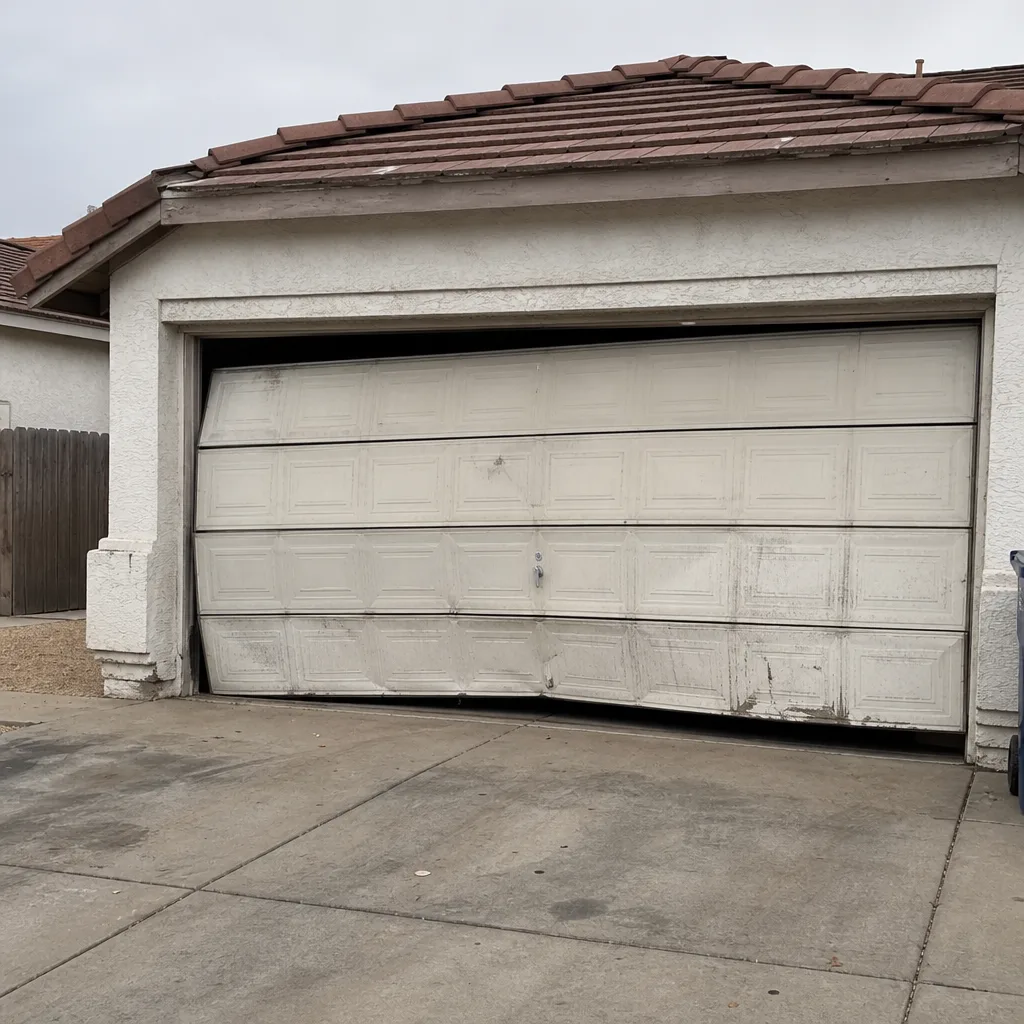 Before
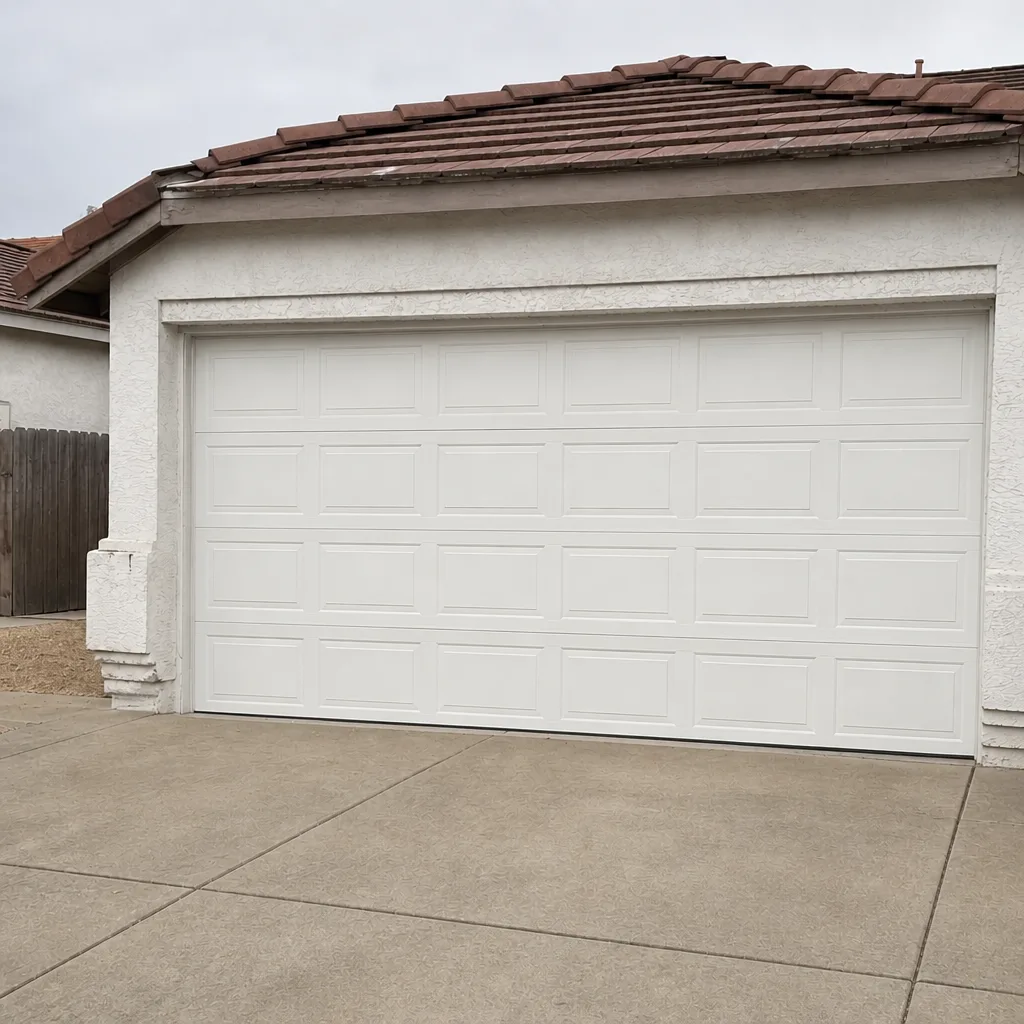 After
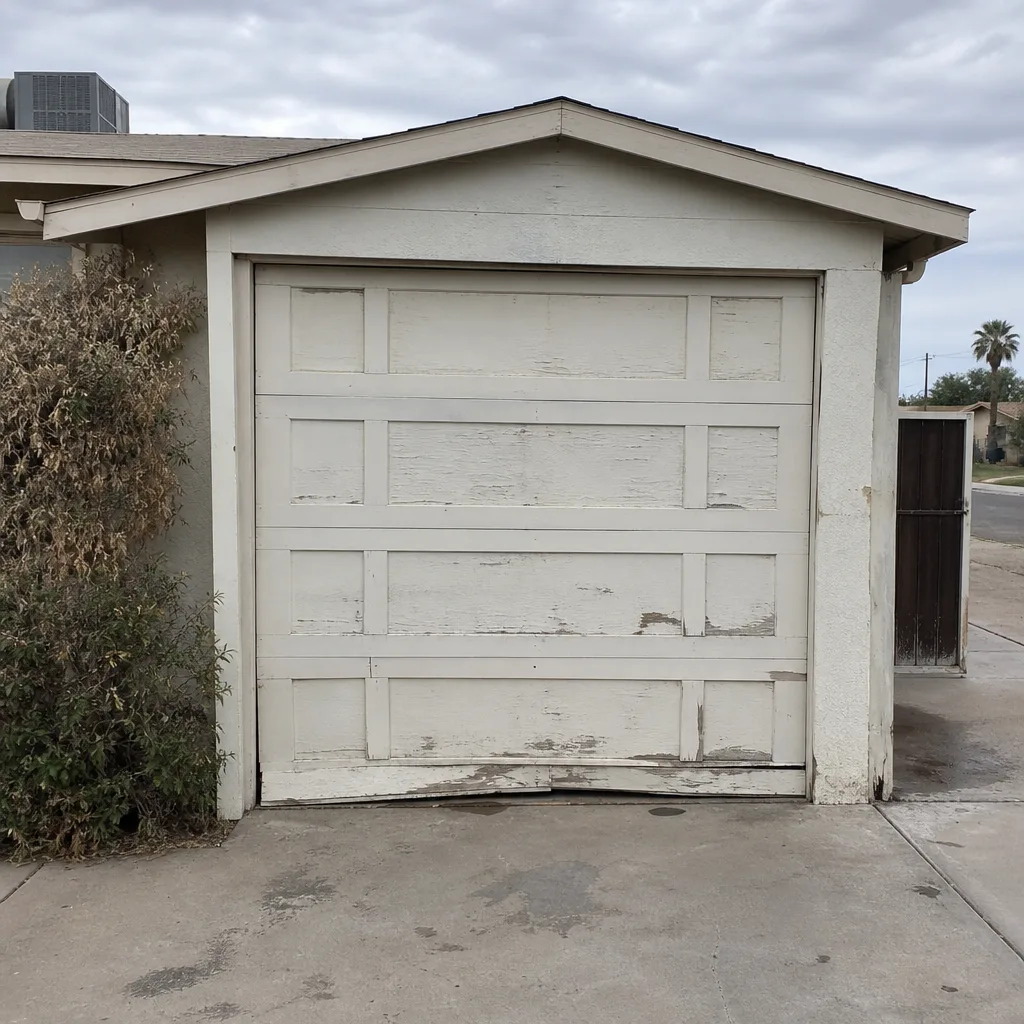 Before
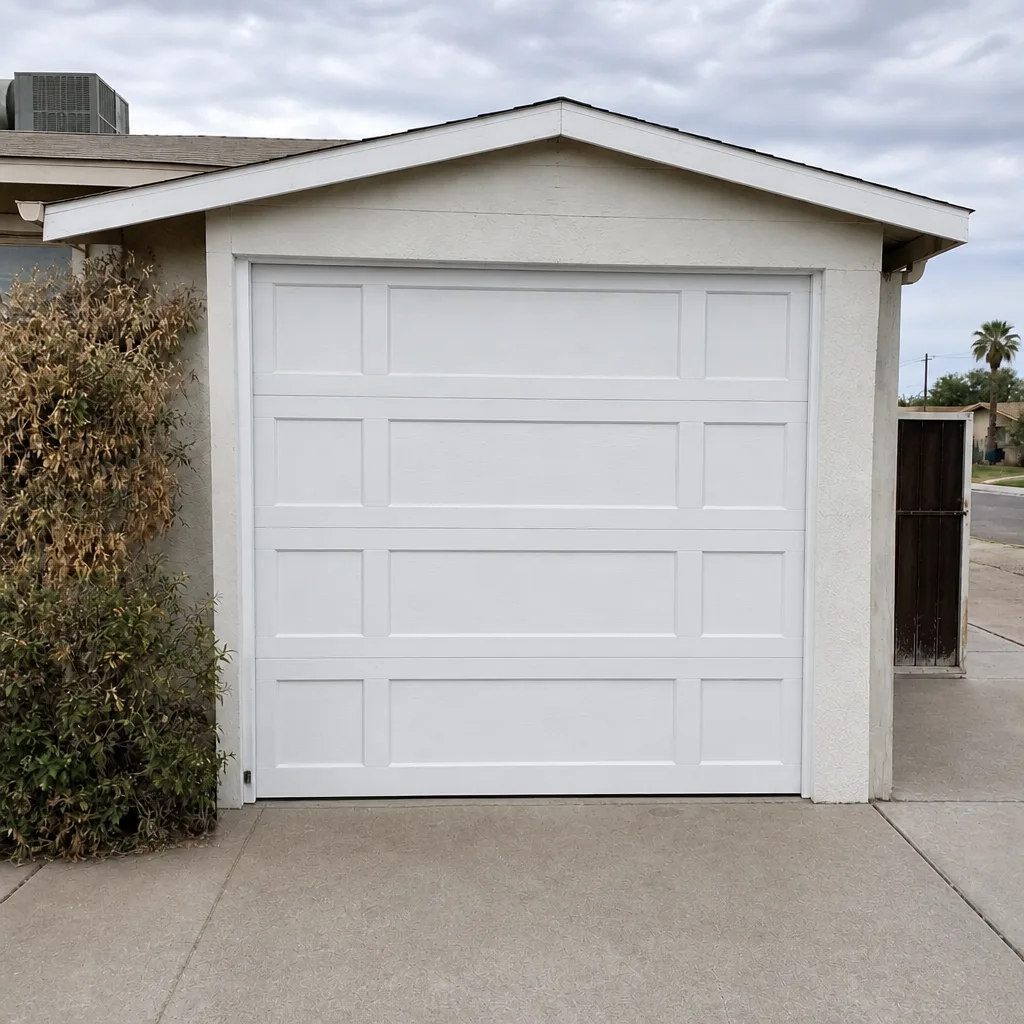 After
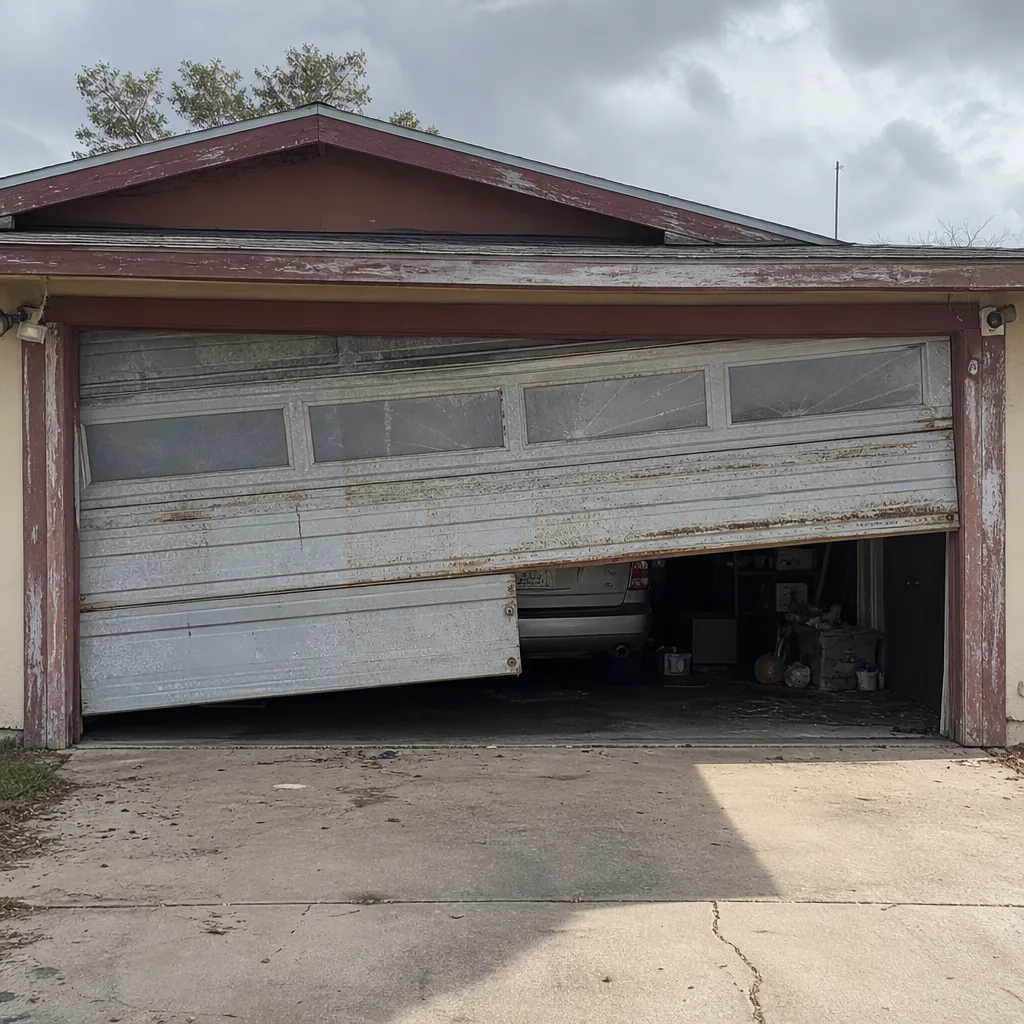 Before
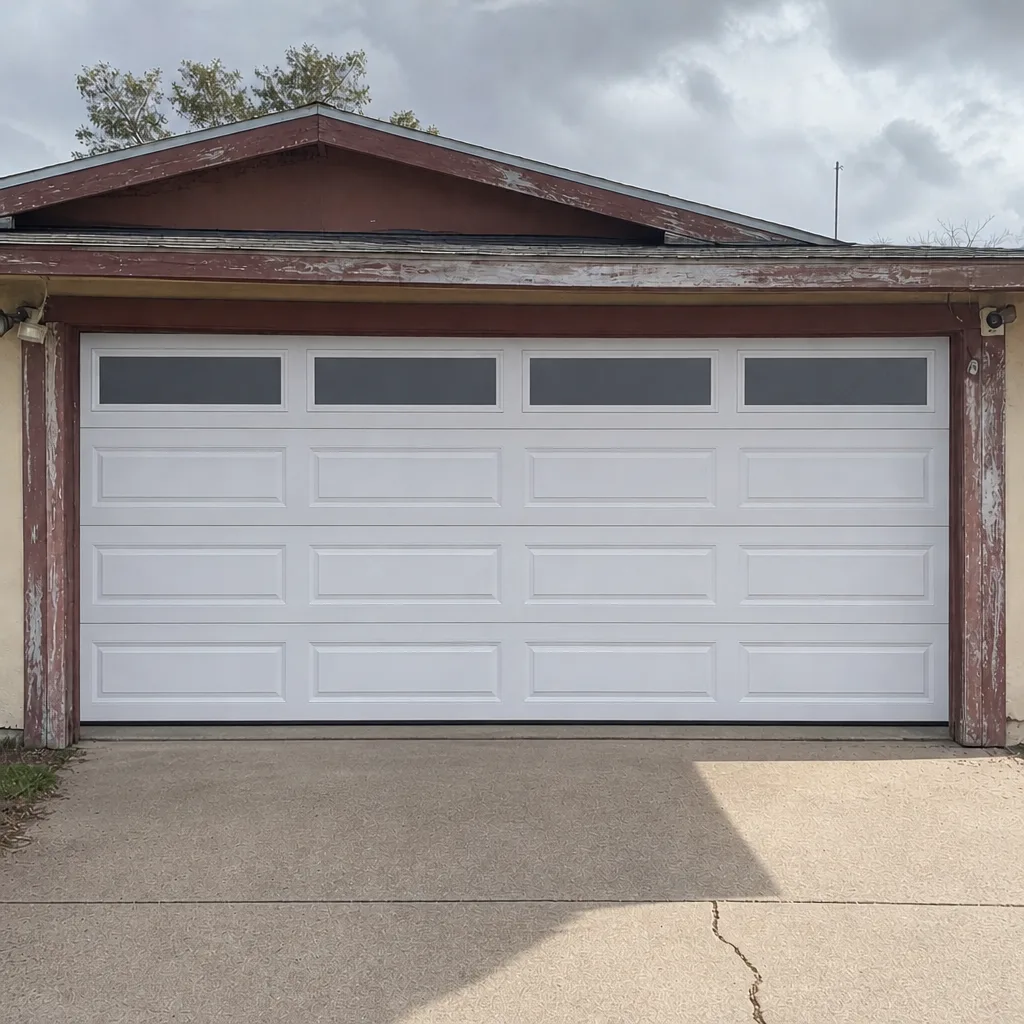 After