
Last updated November 16, 2026
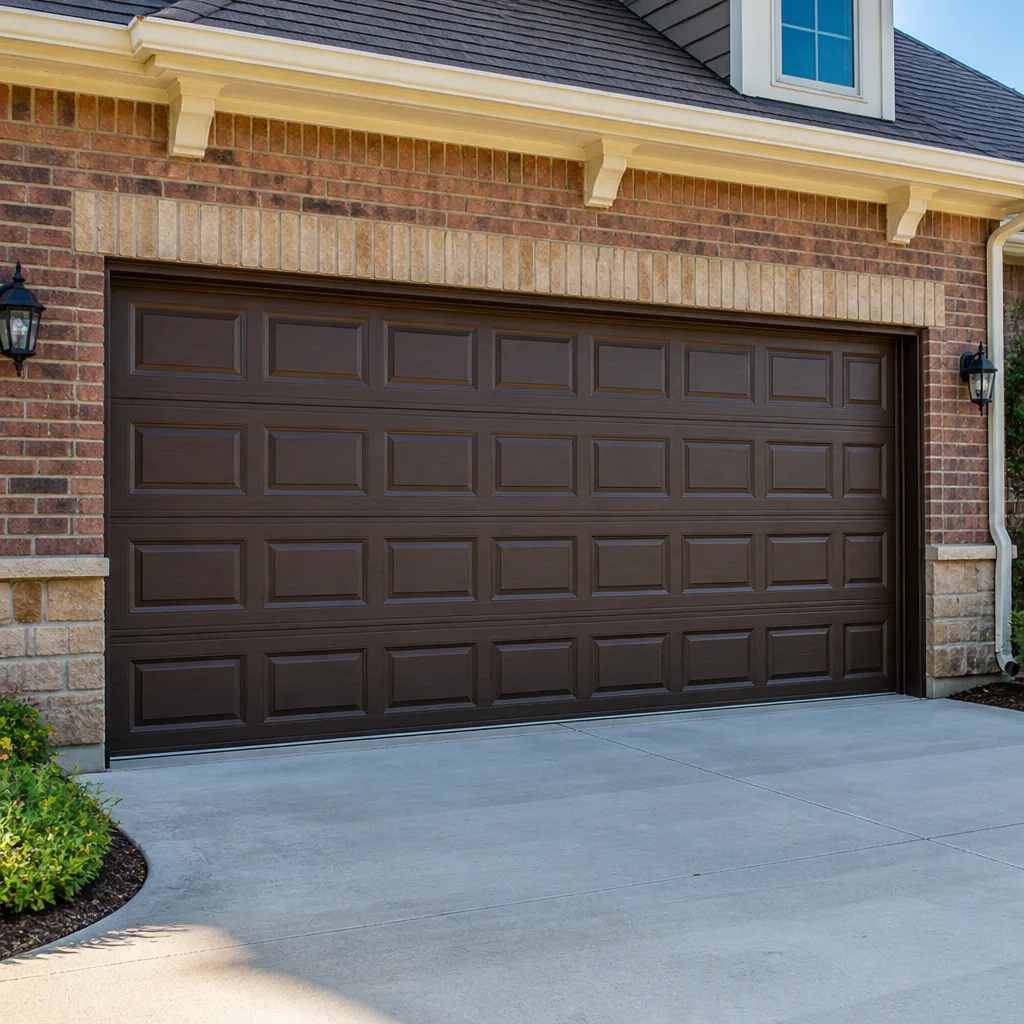 Raised-panel steel
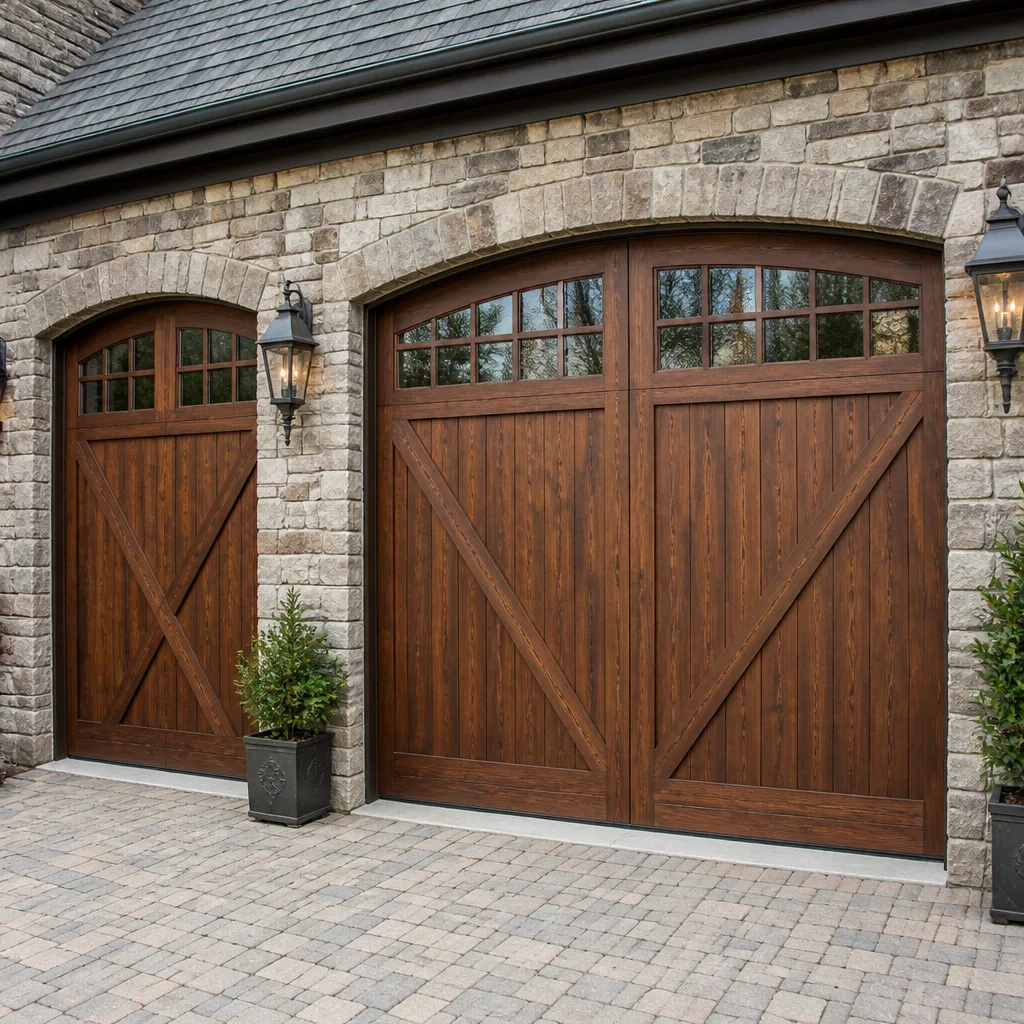 Carriage house
 Modern flush
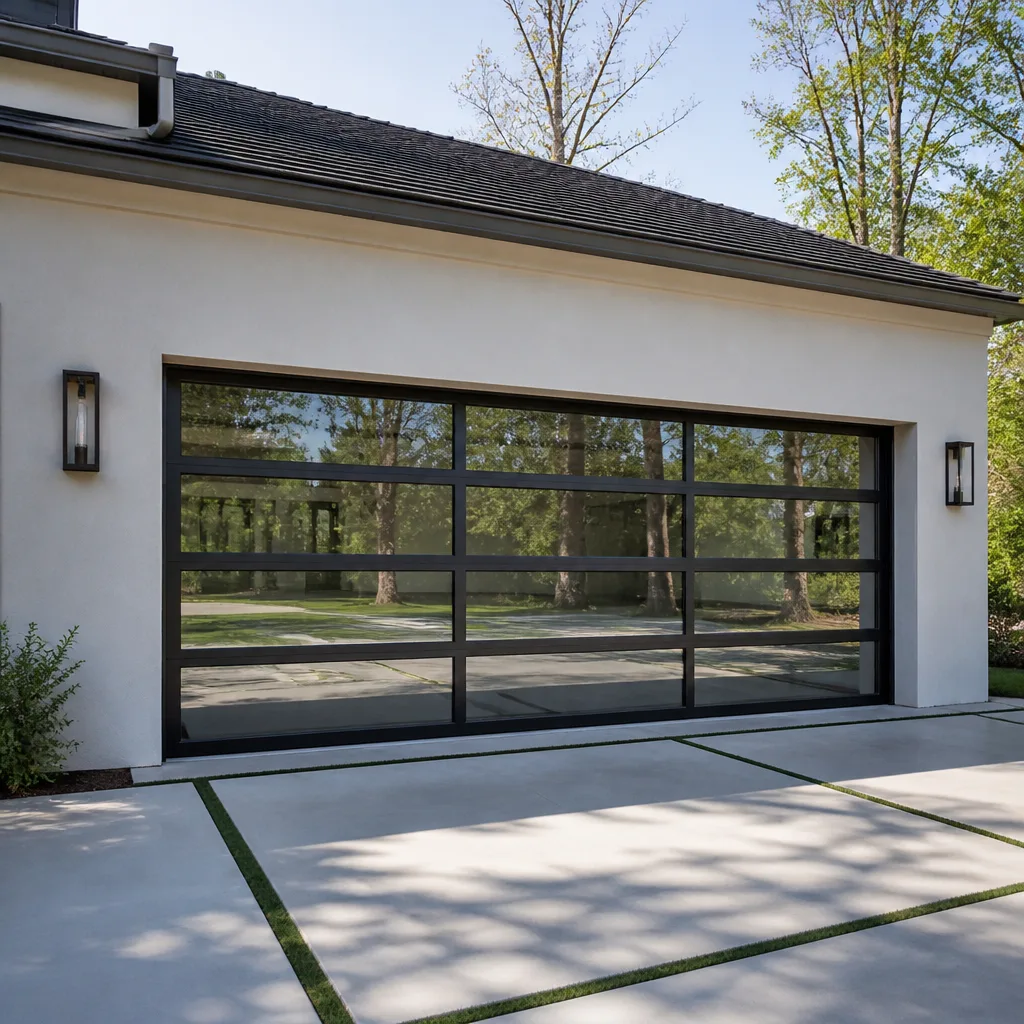 Full-view glass
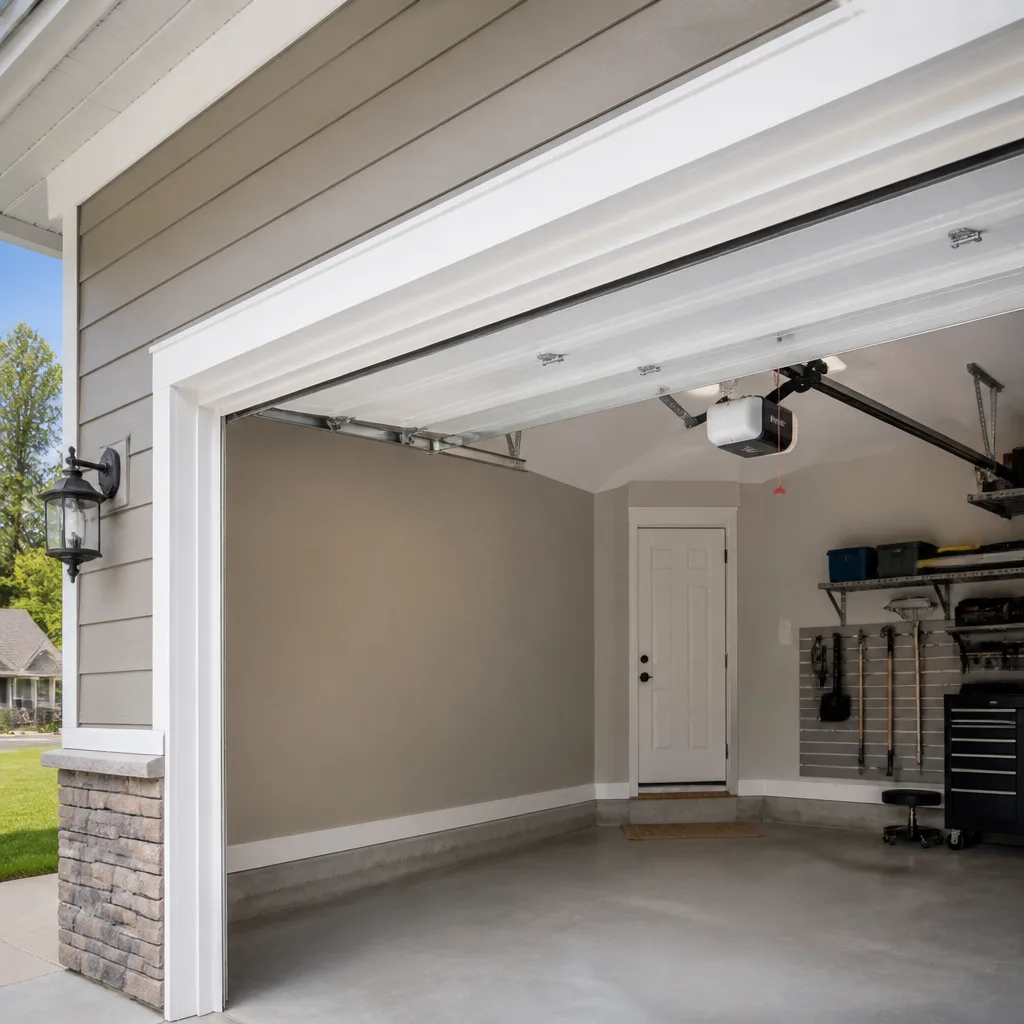 LiftMaster openers
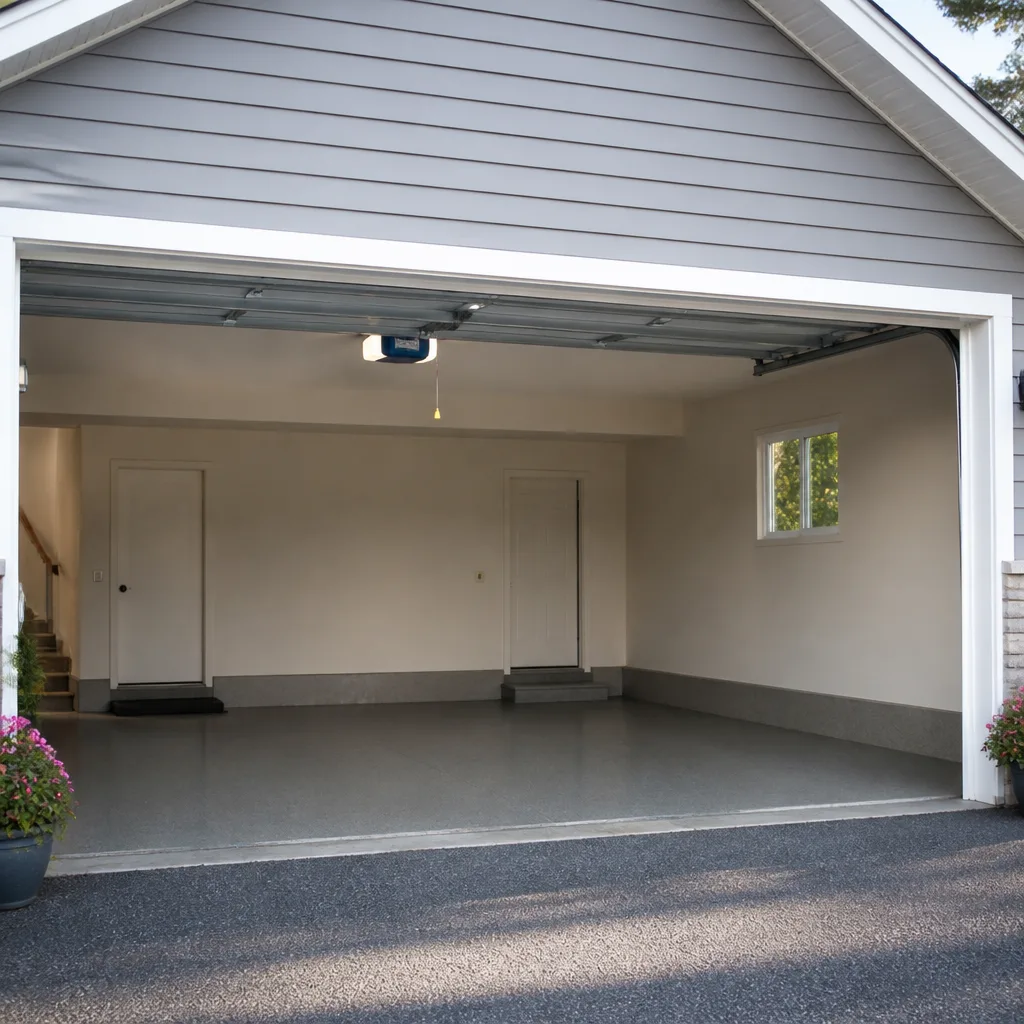 Chamberlain openers
Full 25-point door and opener safety check with every visit - springs, cables, rollers, tracks, and your LiftMaster or Chamberlain opener included
You get a price before we start. It does not change when the pro arrives.
Get your free estimateDIY vs Professional Garage Door: The Peoria Homeowner’s Decision Guide
The garage door is the one moving part of your home that you trust with your car, your tools, and the room closest to where you sleep. It’s also the one repair where “I’ll just watch a video” goes wrong more often than any other. Here’s the part most guides skip: the real dividing line isn’t whether you’re handy. It’s which tasks involve stored energy that can hurt you, and which are genuinely safe to handle yourself. Peoria’s summer heat adds a twist nobody talks about. This guide splits the work task by task, so you know exactly what’s yours to do and what deserves a specialist.
Quick Answer
You can safely DIY sensors, remotes, bottom seals, and lubrication. You should never DIY torsion springs, cables, or track alignment, because those carry stored mechanical energy and cause serious injuries to homeowners every year. For anything in that second group, or if your door is loud, slow, or uneven, call a professional for a diagnosis. In Peoria, don’t attempt garage hardware work in summer heat.
Styles & brands we work with
- Raised-panel steel
- Carriage house
- Modern flush
- Full-view glass
- LiftMaster openers
- Chamberlain openers
Table of Contents
- Why Garage Doors Are Different From Other Home Repairs
- What You Can Safely Do Yourself
- What Requires a Specialist
- How Peoria’s Heat Changes the DIY Math
- The Warranty Risk Nobody Warns You About
- DIY vs Professional: The True Cost Comparison
- What to Do Before the Technician Arrives
- Three Tests Any Homeowner Can Run Safe
Why Garage Doors Are Different From Other Home Repairs
A garage door is the heaviest moving object in your home, and it moves under tension. Most of that tension lives in a torsion spring – a coiled steel bar wound tight enough to lift a door that weighs hundreds of pounds. When that spring is wound, it’s storing energy. When a cable slips or a spring breaks, that energy releases all at once.
This is why the injury pattern around garage door repairs looks nothing like the one around, say, a leaky faucet. Homeowners get hurt not by carelessness but by attempting a repair they didn’t know was dangerous until the moment it was too late. A spring can release while you’re standing beside it holding a winding bar. A cable under load can whip. The failure is fast and it doesn’t warn you.
Understanding the danger is the whole point of this guide. The good news: once you know which parts are “safe to touch” versus “life-and-limb,” the decision becomes simple. About 70% of a garage door’s routine maintenance falls in the safe category. The remaining 30% – springs, cables, tracks – is where a specialist earns their place.
Here’s a useful way to think about it: any part that holds energy even when the door is sitting still gets a specialist. Any part that only holds energy when the door is moving, or that has no stored load at all, you can often handle yourself.
What You Can Safely Do Yourself
Let’s be specific, because “safe” covers a real range. These tasks involve no stored spring tension and no risk of an uncontrolled release.
- Safety sensor alignment. If your door reverses or won’t close, the photo-eye sensors near the floor are almost always the culprit. Wiping the lenses and adjusting the angle of one or both sensors solves most of these. No tools beyond your hands and a microfiber cloth.
- Remote and keypad programming. Replacing a remote battery, re-pairing a remote to your opener, or resetting the keypad code is a manual task, and every major system – LiftMaster, Chamberlain, Genie, Craftsman – publishes step-by-step programming instructions. You just need the model number.
- Bottom seal replacement. The rubber weatherstrip along the bottom edge wears out and lets in dust, water, and the occasional critter. You can buy a replacement seal matched to your door width and do it with basic hand tools. This is a legitimately homeowner-friendly task.
- Lubrication. A garage door benefits from garage-door lubricant on the hinges, rollers, and springs (the outside of the coils, not the winding bars). Getting into a habit of a light application keeps the door quiet and reduces the load on the opener.
- Visual inspection. Look at cables for fraying, check hinges for cracks, and watch for a door that sags on one side. You’re not fixing anything, just gathering information for a pro.
- Clean the photo-eye lenses – especially relevant in Peoria, where fine dust from the surrounding desert settles on everything during dry months. Dust on a sensor lens mimics a malfunction.
All of these tasks share one feature: if you do them wrong, the door won’t work and you’ll know. You won’t get hurt. The failure mode is annoyance, not injury.
What Requires a Specialist
This is the list that matters most, so read it carefully. These repairs involve stored tension, high load, or both, and a first-time attempt is a real safety risk. We’re not going to walk you through the steps – that would be irresponsible – but you should know exactly what each one involves so you can recognize when it’s time to call.
- Torsion spring replacement. The torsion spring is the bar-mounted coil at the top of your door. It’s wound to lift a specific door weight, and replacing it means winding and unwinding a spring under tension. The stored energy in a wound spring can release violently if something slips. The winding bars, the tension calculation, and the door weight all have to be right. This is the single most common serious-injury repair in the entire garage door trade.
- Extension spring replacement. These are the springs that run parallel to the door’s horizontal tracks on older doors. Less complex than torsion, still under tension, still not a first-timer’s job.
- Cable replacement. Cables hold the door’s weight in balance with the springs. A frayed or snapped cable may look like a simple swap. It isn’t – the cable is under load while the door is closed, and a slip releases that load. This is frequently the repair that follows a broken spring, because a snapped spring puts immense strain on the cables.
- Track alignment and track repair. Bent tracks need to be reshaped or replaced, and misalignment can cause the door to bind. Doing this wrong pushes the door off its rollers, which can bring it down on you or your vehicle.
- Panel replacement. A single dented panel can sometimes be swapped, but the door’s balance has to be checked afterward. Specialists handle this because panel weight affects the entire spring system.
- Opener repair inside the unit. Changing a light bulb or re-pairing a remote is fine. Opening the motor housing, replacing the logic board, or adjusting the travel limits is not. If you’re unsure, the safe call is to book garage door opener repair and let a technician look at it.
If your door is showing several of these issues at once, a garage door repair visit is the right first call. A specialist can diagnose the whole system in one trip instead of you guessing at each part.
How Peoria’s Heat Changes the DIY Math
Peoria summers are not the same as the summer conditions in most online DIY tutorials. A garage in July can hit temperatures well above 100°F, and that changes everything about the safety calculation.
Here’s what heat does to a DIY project:
- Judgment degrades before you notice it. Heat stress impairs focus and reaction time before you feel like anything is wrong. A task that would be safe with full attention becomes risky when your hands are shaky and your brain is slow.
- Metal becomes painful to handle. Steel torsion bars and winding tools absorb heat from the garage and can be uncomfortable to grip bare-handed. A slip is much more likely when handling hot metal.
- Ladders and footing are trickier. Sweat on your hands and arms reduces your grip, and a garage floor can be slick with condensation from a swamp cooler or the morning cool-down.
- Materials behave differently. Rubber seals soften. Lubricants thin. Metal expands. A task that “worked fine” in cooler weather may behave unpredictably.
The practical rule: schedule any garage door hardware work for early morning or a cooler month. If you find yourself reaching for a wrench at 2pm in July and feeling overheated, stop. A specialist dispatched at a comfortable hour does that job safely because they can work in the cooler part of the morning and have the right tools to do it fast. In Peoria, that timing discipline is a genuine part of the job, not a formality.
The Warranty Risk Nobody Warns You About
Here’s a cost most homeowners never factor into the DIY math, and it’s often larger than the repair they were trying to avoid: the warranty on a certified installation.
When a garage door or opener is professionally installed, the installation itself may carry a workmanship warranty, and the equipment carries the manufacturer’s warranty. LiftMaster, Chamberlain, and Clopay products each have their own warranty terms, and most of them require that installation and many repairs be performed by a qualified professional to keep coverage intact.
What this means for a Peoria homeowner is concrete: if you attempt a spring replacement yourself on a door that’s still under warranty and the repair goes wrong, you may find the manufacturer won’t honor the claim. The cost of that denial can run well beyond what a professional repair would have cost. If you own a door from Amarr, Wayne Dalton, or another brand, check the manufacturer’s paperwork before touching anything under tension.
The same logic applies to the opener. If you open the motor housing and the unit later fails, the manufacturer may see signs of tampering. A single repair by a specialist keeps warranty coverage clean. That’s a real cost, and it’s invisible until you need it.
General home warranty policies sometimes exclude garage doors and openers – check your policy document before assuming coverage either way.
DIY vs Professional: The True Cost Comparison
Every cost comparison has to be honest about what’s actually being spent. Here’s how a typical repair looks when you total it up carefully.
| Repair | DIY approach | Professional approach |
|---|---|---|
| Torsion spring (one spring) | Parts cost plus winding bars plus your time and real injury risk; a mis-sized spring can damage the door and void warranty | Typical estimated range $180-$340 for one spring, including the right tools, correct winding, and a safe result |
| Matched pair of springs | Homeowners often try one spring to save money and wind up needing the pair anyway | Typically about twice the single-spring price, because the pair is replaced together |
| Cable replacement | Parts are inexpensive; risk of injury from a loaded cable is not | Estimated range only after inspection – the written estimate is the final word |
| Bottom seal | Reasonable DIY – parts are cheap, the work is safe | Convenient option if bundled with other work |
| Sensor or remote fix | Free or nearly free – most fixes are cleaning or reprogramming | Free estimates tell you if a pro visit is even needed |
Two things make the DIY math look better than it is. First, first-time spring and cable attempts have a real failure rate. A homeowner who mis-winds a spring or mis-sizes it may need to buy the part twice, and the second attempt is no safer than the first. Second, the injury risk is not a line item on a spreadsheet until it becomes one. An injury from a spring or cable repair costs far more than any repair on this table.
All prices above are typical estimates, not quotes. The written estimate is what sets your final price, and a specialist gives you that before any work starts. A free estimate costs nothing and settles the question of what the job actually needs.
What to Do Before the Technician Arrives
You can’t safely repair a broken door, but you can safely contain the situation before a technician arrives. Here’s how to do that without making things worse.
- Stop using the door. If a spring is broken, the door may lift unevenly or come crashing down. The safest action is to leave the door where it is and not touch the opener. Tell everyone in the household the door is out of service.
- Don’t try to force it shut or open. A door that’s stuck open is a security gap, and we understand wanting it closed. But forcing it can twist a track, kink a cable, or bring the door down on you. Let a specialist handle the door’s position.
- If the door is off its track, leave it alone and keep clear. A door resting at an angle is a stored-energy accident waiting to happen. Book a service call and keep people and cars clear of that bay until a technician arrives.
- If the door is stuck open and you can’t wait, don’t prop it with objects under the door. Propping a heavy door with furniture or blocks is a classic cause of collapse. Instead, note the situation and call us – a same-day appointment is often possible.
- Unplug the opener if you’re worried about someone triggering it. A wall switch or remote can activate the opener unexpectedly. Unplugging it is safe and reversible.
- Write down what you know. Note whether the door made a bang, whether it moved unevenly, and whether it’s stuck open or shut. That information helps the technician bring the right parts on the first trip.
One important safety note: never reach under a door that’s suspended or partially open. The door is supported by cables and springs, and neither is trustworthy when the door is in a compromised position. Give the door space and let a trained hand deal with it.
Three Tests Any Homeowner Can Run Safe
Most of what we do on a diagnosis visit is safe to do yourself, and running these three tests tells you whether you need to call a specialist at all.
- The balance test. With the door closed and the opener disengaged (use the release handle), lift the door about halfway by hand and let go gently. A well-balanced door should stay roughly in place. If it slams down or drifts down, the springs are likely out of balance.
- The reverse test. Put a piece of scrap wood or a roll of paper towels on the floor under the door and press the close button. The door should reverse when it meets the object. If it doesn’t, your safety sensors or opener limits need attention. The sensors are a safe DIY fix.
- The noise and speed test. Listen to the door for grinding, popping, or squealing. Watch for uneven movement or a door that slows near the top or bottom. These signs point to opener issues or worn rollers – worth a call to diagnose garage door opener repair before the problem grows.
These tests cost you nothing and give you a clear next step. If the balance test fails, stop there – the springs are under tension and that’s a specialist job.
Understanding Your Equipment Helps You Decide
One more thing worth knowing before you pick up a tool: the brand of your door and opener changes what’s safe to touch.
If your door was installed as a certified installation from a brand like Amarr or Wayne Dalton, the warranty terms may specify professional service. Opener brands have their own rules. Most modern openers from LiftMaster or Chamberlain have easy-to-access programming for remotes and travel limits that doesn’t require opening the housing. Older openers may have different access panels.
This is where a specialist’s familiarity pays off. We service eight of the most widely installed door and opener brands in the country – LiftMaster, Chamberlain, Genie, Clopay, Amarr, Wayne Dalton, Craftsman, and Raynor. That means when you call with a question about your specific model, we can usually answer it without asking you to open a manual. Your door. Any brand. Handled.
The same logic applies to new doors. If you’re weighing whether to repair or replace, a specialist who knows the brand you already own can tell you which makes sense. That’s a conversation worth having before you sink money into DIY parts. If you’re searching for a garage door repair in Peoria, an honest specialist will tell you when a door is too far gone to repair rather than patching it indefinitely.
See the difference
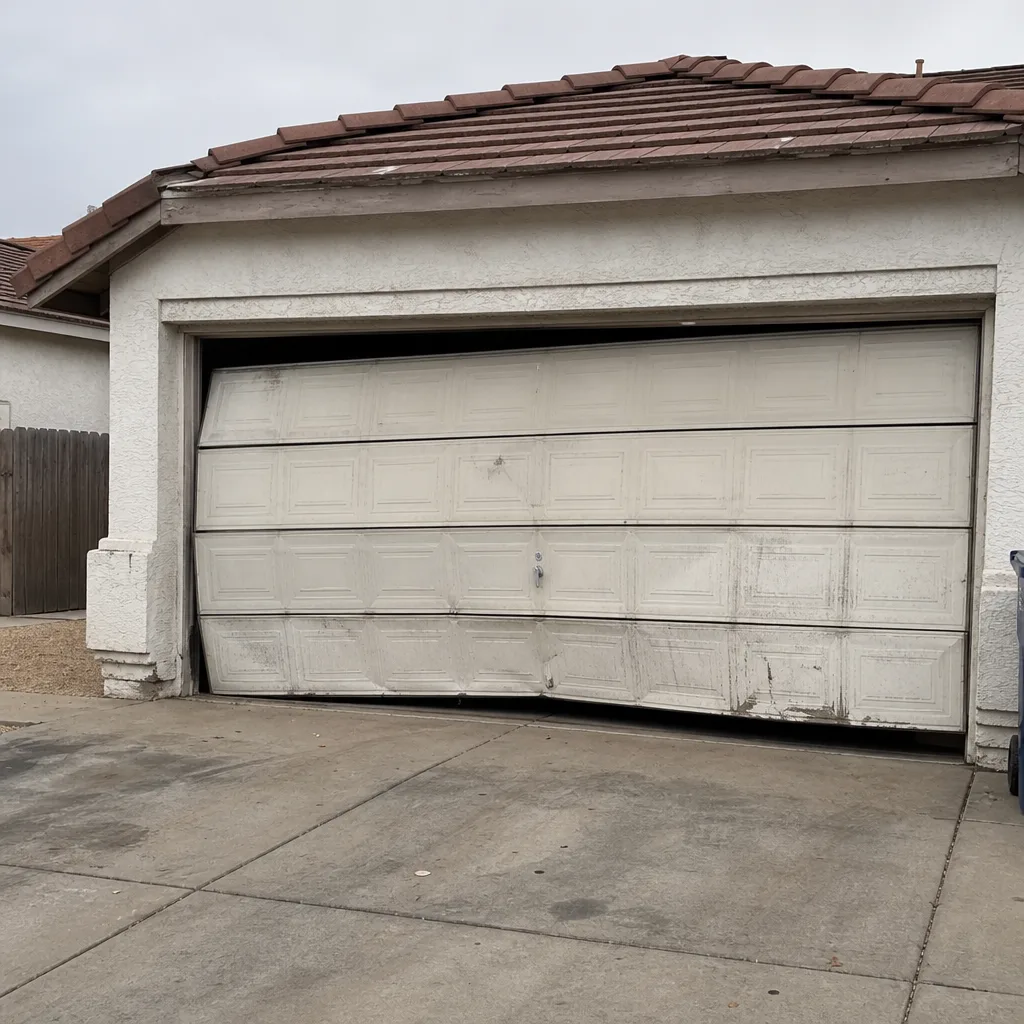 Before
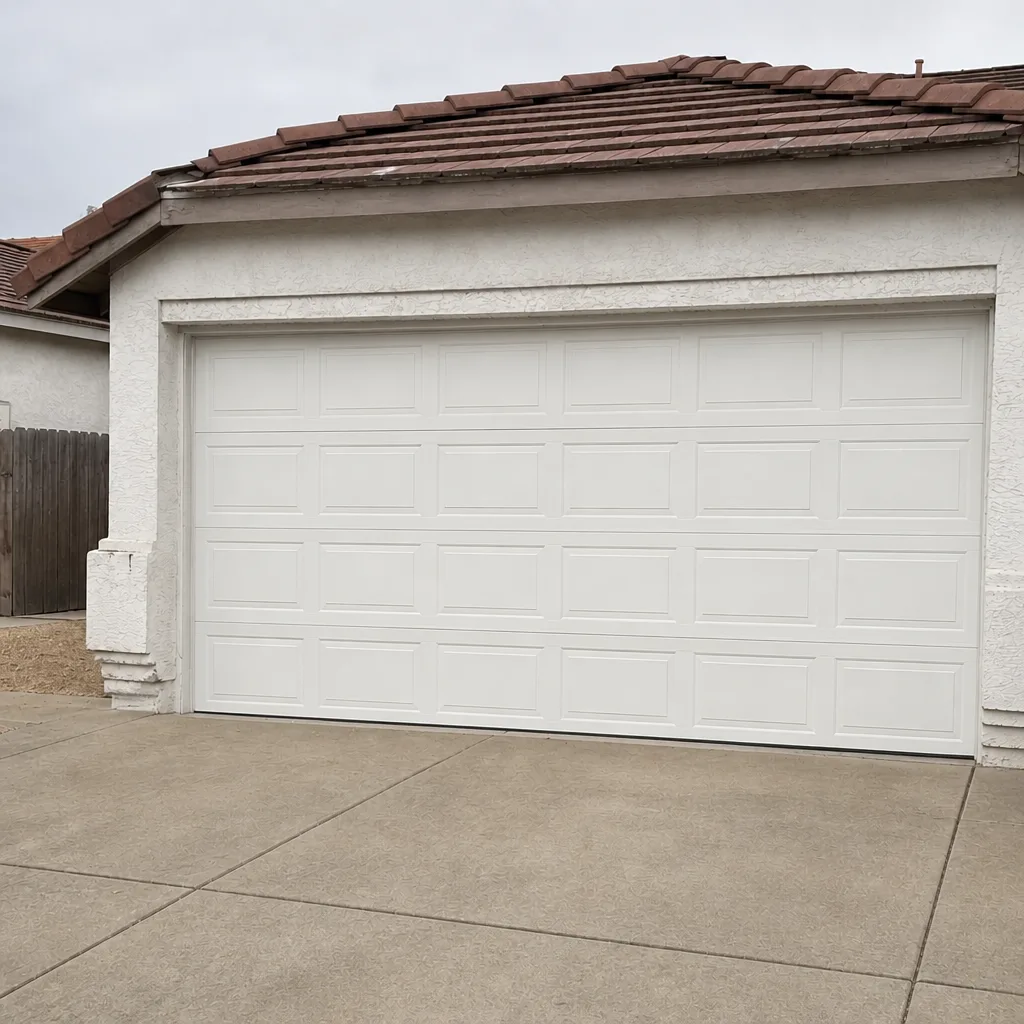 After
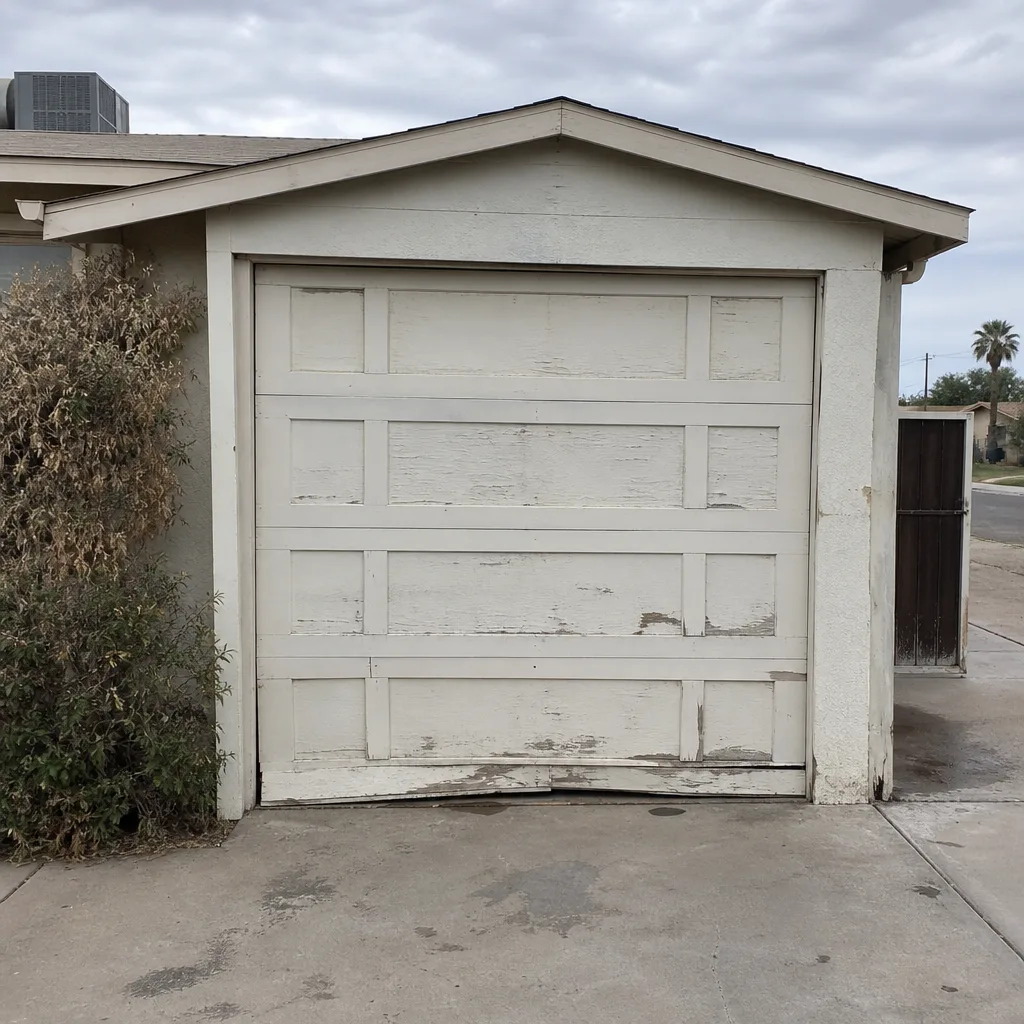 Before
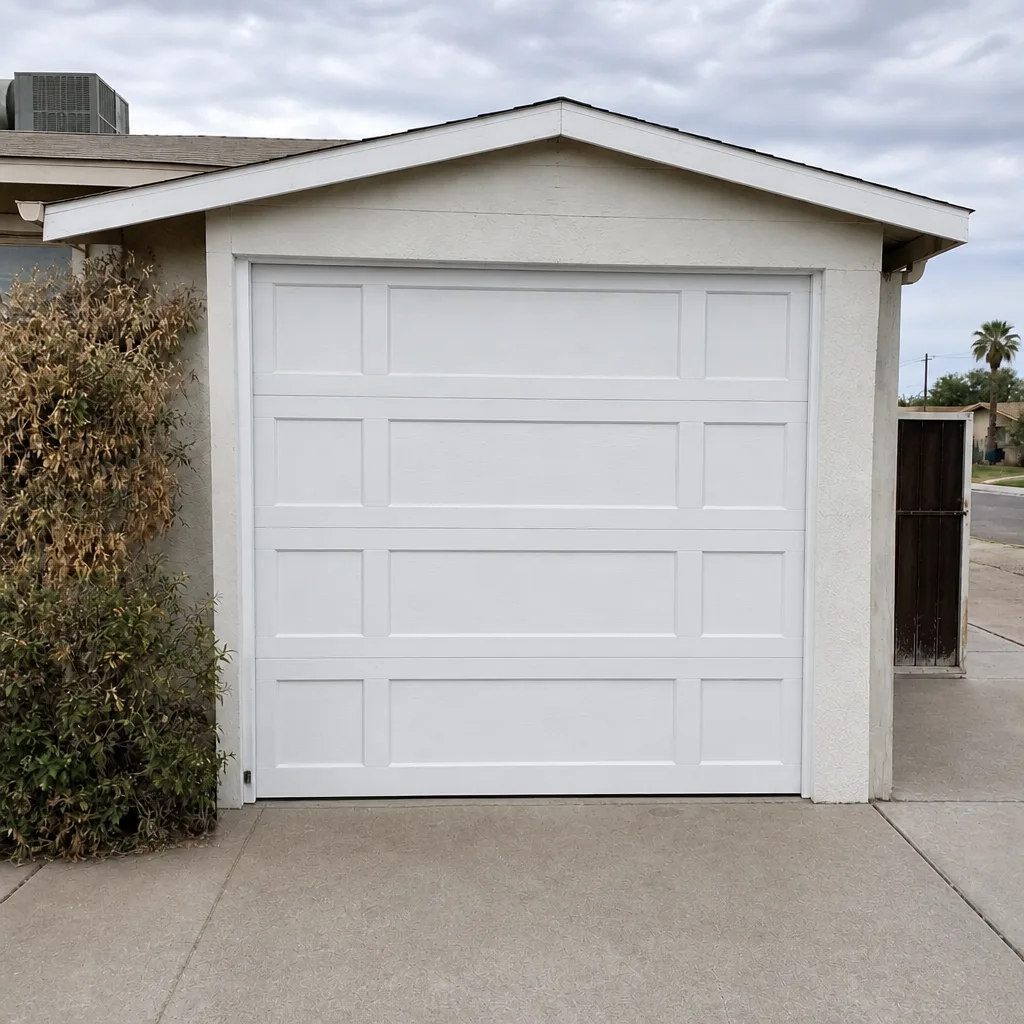 After
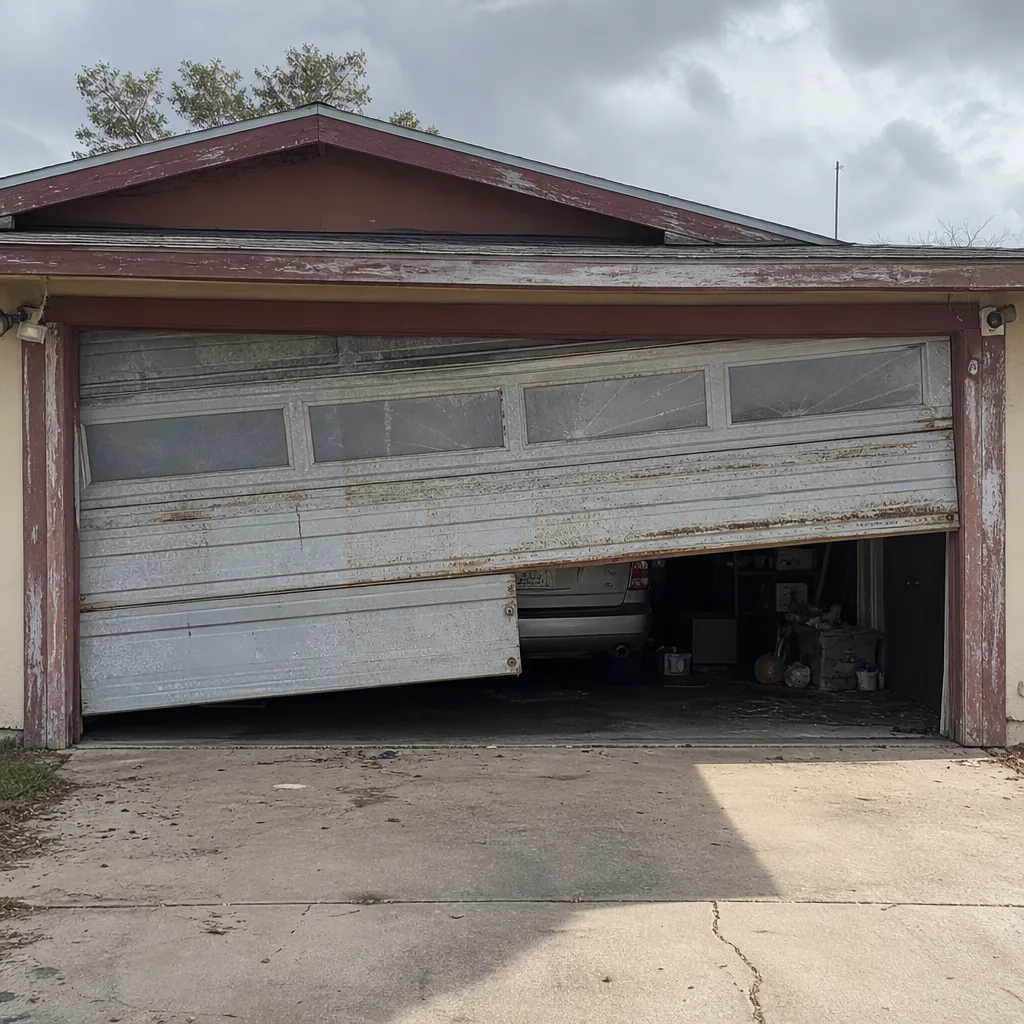 Before
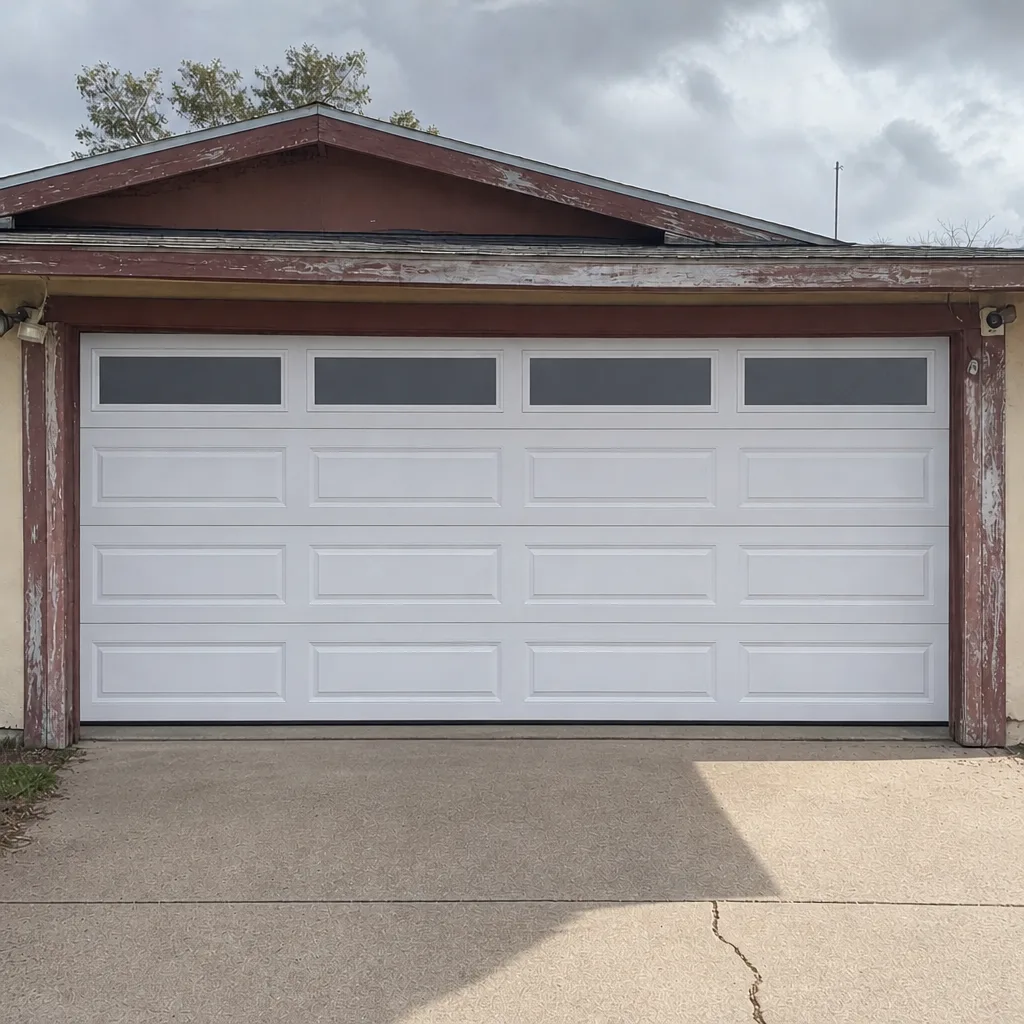 After
Common Mistakes to Avoid
- Winding a torsion spring without knowing the door’s weight. A spring that’s the wrong size for the door can pop, snap a cable, or fail to lift the door at all. Even worse, an undersized spring can store dangerous energy. Specialist tools and correct sizing are the entire job.
- Attempting a cable replacement on a door that’s still under load. Cables hold weight even when the door is closed. A cable that snaps while you’re near it can injure you badly. This repair should never be a first-timer’s project.
- Working in a Peoria garage in July without planning for heat. We’ve seen homeowners try a repair at midday in the summer and lose focus, grip, and patience. Do your safe DIY tasks early in the morning, or move them to a cooler month.
- Propping a heavy door open with blocks or furniture. This is one of the most common ways homeowners get hurt. The door needs the right mechanical support, not a makeshift prop.
- Ignoring a minor symptom until it becomes a full failure. A grinding sound, a door starting to sag, or a door that slows near the top are early warnings. Caught early, many of these are quick fixes.
- Buying the wrong spring for your door. Springs are rated by wire size, inside diameter, length, and door weight. A hardware store shelf stock is not a direct replacement for your door’s specific rating. Buying the wrong spring wastes money and can damage the mechanism.
- Assuming a full replacement when only the opener needs work. A failing opener is one of the most common reasons homeowners call and one of the most common reasons they end up replacing the whole door unnecessarily. We see this often: the door is fine, the opener logic board failed. Repairing the opener is often the right call.
When to Call a Professional
The decision gets simple when you look at what’s involved in each repair. Call a specialist for:
- A broken torsion or extension spring of any kind
- A snapped or frayed cable
- A door that’s off its tracks or has bent track sections
- A door that’s off balance or difficult to lift
- Any repair where the door or spring is under tension
- Signs of premature wear that could point to a larger spring or cable problem
- Opener faults inside the motor housing
- Any repair on a warranty-covered installation
Our technicians have up to 8 years of experience, and that time is spent on garage doors and nothing else. We can tell you under tension whether a repair is the right call or whether replacement is better. We’re happy to be honest about it. If a door needs a new opener motor only, we’ll fix what’s broken.
Stellar Garage Door Service offers free estimates in Peoria. Call (833) 620-5171. We answer 24/7. Fast dispatch from 7am to 7pm, Sunday through Friday, and we schedule installs and new-door work separately. Same-day service is often available for repairs.
If you’re in Peoria and want a specialist’s eyes on the door today, start with a free estimate. A Peoria homeowner should never have to guess whether they’re calling the right company. We only do garage doors.
Frequently Asked Questions
No – garage door spring replacement is the single most dangerous garage door repair, and it’s not a safe DIY job.
The wound torsion spring stores a significant amount of energy, and a slip during the winding process can cause severe injury. Springs are also sized to your specific door weight, and a wrong size can damage the door even when it seems to fit. Book a technician rather than risk it. Call (833) 620-5171 for a free estimate – the price is quoted before any work starts.
Safe homeowner tasks include sensor alignment, remote and keypad programming, bottom seal replacement, lubrication, and visual inspection.
Anything involving springs, cables, or track alignment requires a specialist. Clean your photo-eye lenses regularly – Peoria’s dust is a common cause of door failure that looks like a sensor problem but is just grime. Call (833) 620-5171 if you’re unsure which category your repair falls into – estimates are free.
Yes – DIY repair on a garage door or opener that’s still under warranty can void coverage.
LiftMaster, Chamberlain, Clopay, and other manufacturers have warranty terms that may require installation and many repairs be done professionally. A single spring repair by a specialist is often cheaper than losing a warranty claim. Call (833) 620-5171 to check your situation – estimates are free.
No – a broken or frayed cable is a load-bearing repair that belongs with a specialist.
Cables hold the door’s weight in balance with the springs, and they’re under tension whenever the door is in use. Replacing one wrong can result in a snap that injures anyone nearby. Call us for a diagnosis. Same-day service is often available on repairs – call (833) 620-5171. The price is quoted and agreed before any work starts.
In most cases, repairing the opener is the right first step, not replacing the door.
Opener failures are common, and a specialist can diagnose whether the issue is the motor, the logic board, or just the travel limits. We see too many homeowners told to replace a perfectly good door when only the opener needed work. Call (833) 620-5171 for a free estimate – our technicians have up to 8 years of experience with LiftMaster, Chamberlain, Genie, and other brands.
Yes – same-day service is often available for repairs in Peoria.
We answer 24/7 and dispatch technicians from 7am to 7pm, Sunday through Friday. If you call outside dispatch hours, we book you into the next opening. Call (833) 620-5171 – the price is quoted and agreed before any work begins.
The Bottom Line
The DIY versus professional question for garage doors comes down to one line: anything with stored mechanical energy is a specialist job. Springs, cables, and track alignment aren’t about skill level – they’re about a real injury risk that no tutorial can eliminate. Sensors, remotes, bottom seals, and lubrication are genuinely homeowner-friendly, and doing them yourself keeps small problems from growing. In Peoria, add timing to the calculation. Desert summer heat affects grip, judgment, and safety, and a job that would be safe at 7am is risky at 2pm in July. Repair first, replace only when necessary – and when in doubt, get a free estimate from a specialist. Garage doors are all we do, and we’re happy to tell you honestly which job is yours and which is ours.
If you’re ready for a specialist to look at your door, Stellar Garage Door Service is here. Call (833) 620-5171. We answer 24/7. Fast dispatch from 7am to 7pm, Sunday through Friday. The estimate is free, the price is quoted and agreed before work starts, and our technicians have up to 8 years of experience diagnosing and repairing LiftMaster, Chamberlain, Genie, Clopay, Amarr, Wayne Dalton, Craftsman, and Raynor equipment. When your door gets stuck, a fast diagnosis and a lasting fix are one call away.
Written by the team at Stellar Garage Door Service.