
Last updated November 16, 2026
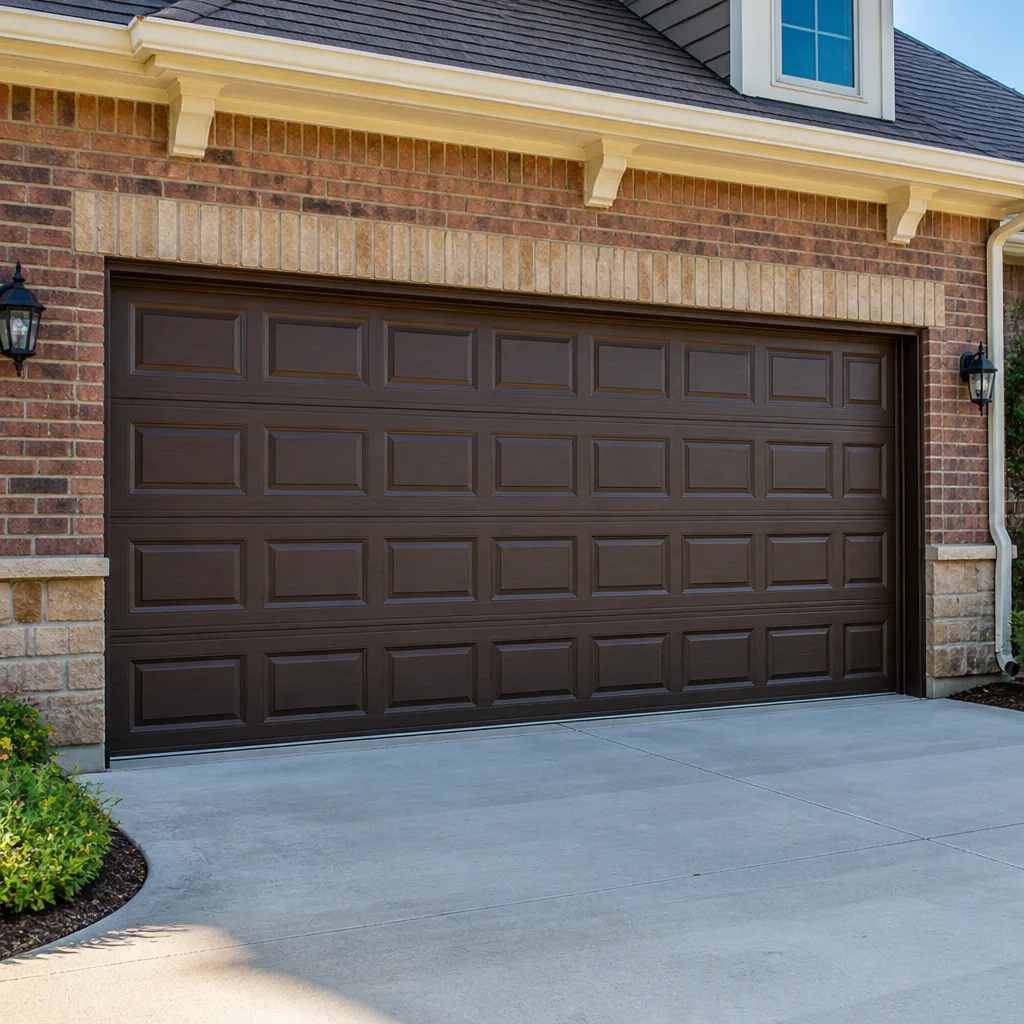 Raised-panel steel
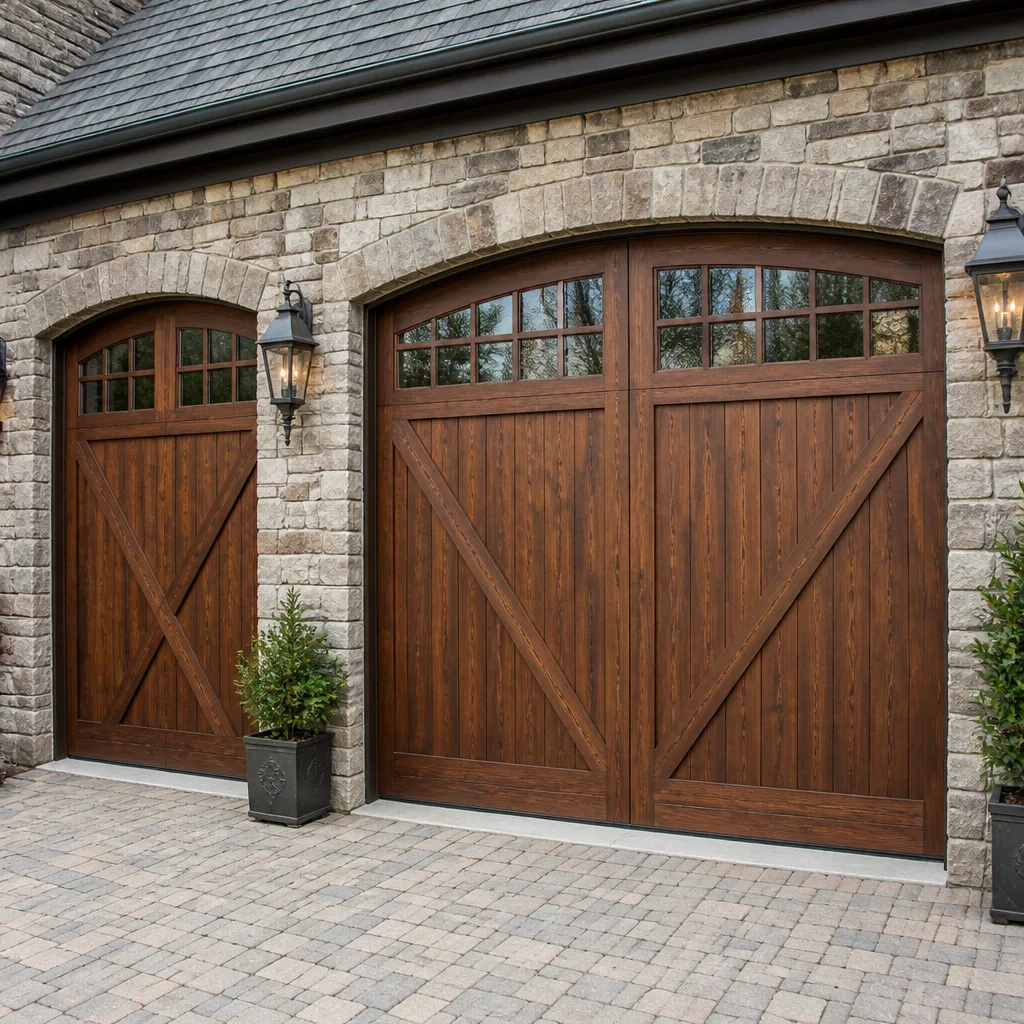 Carriage house
 Modern flush
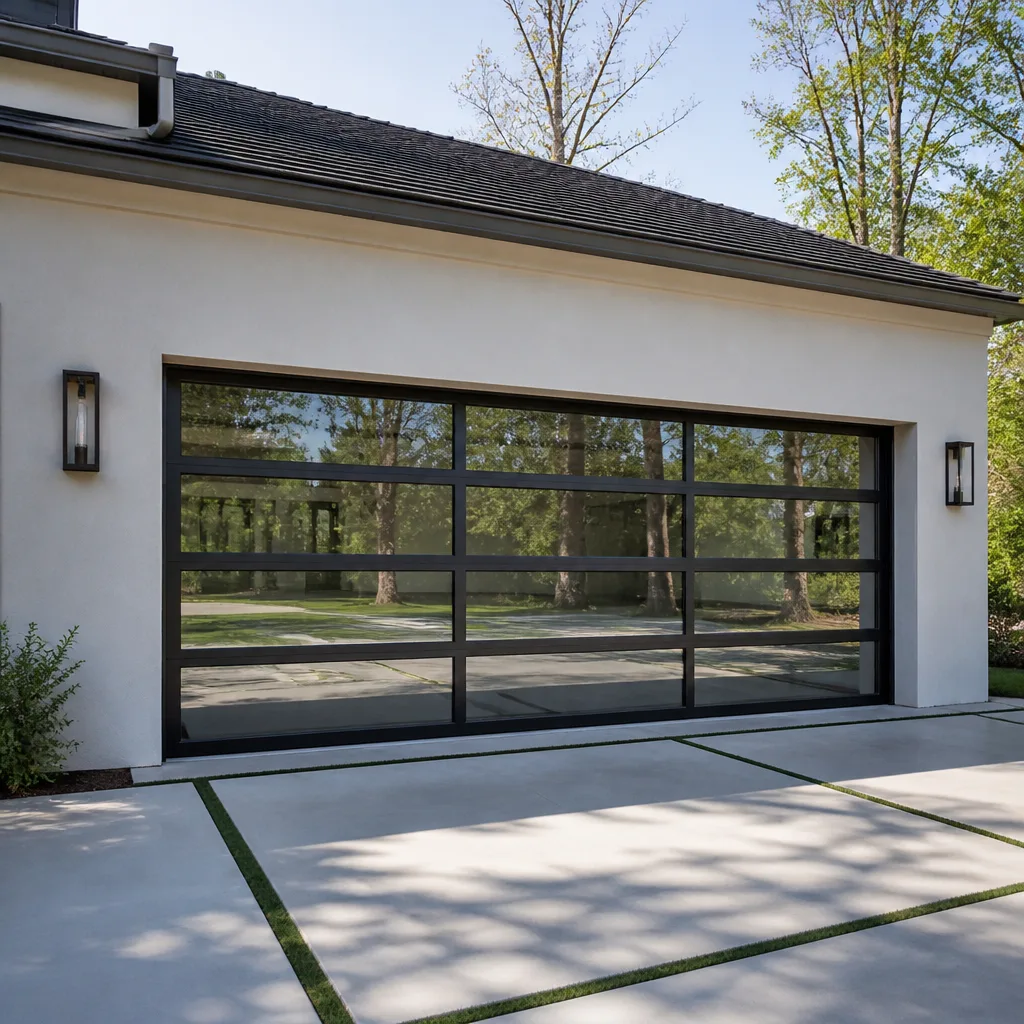 Full-view glass
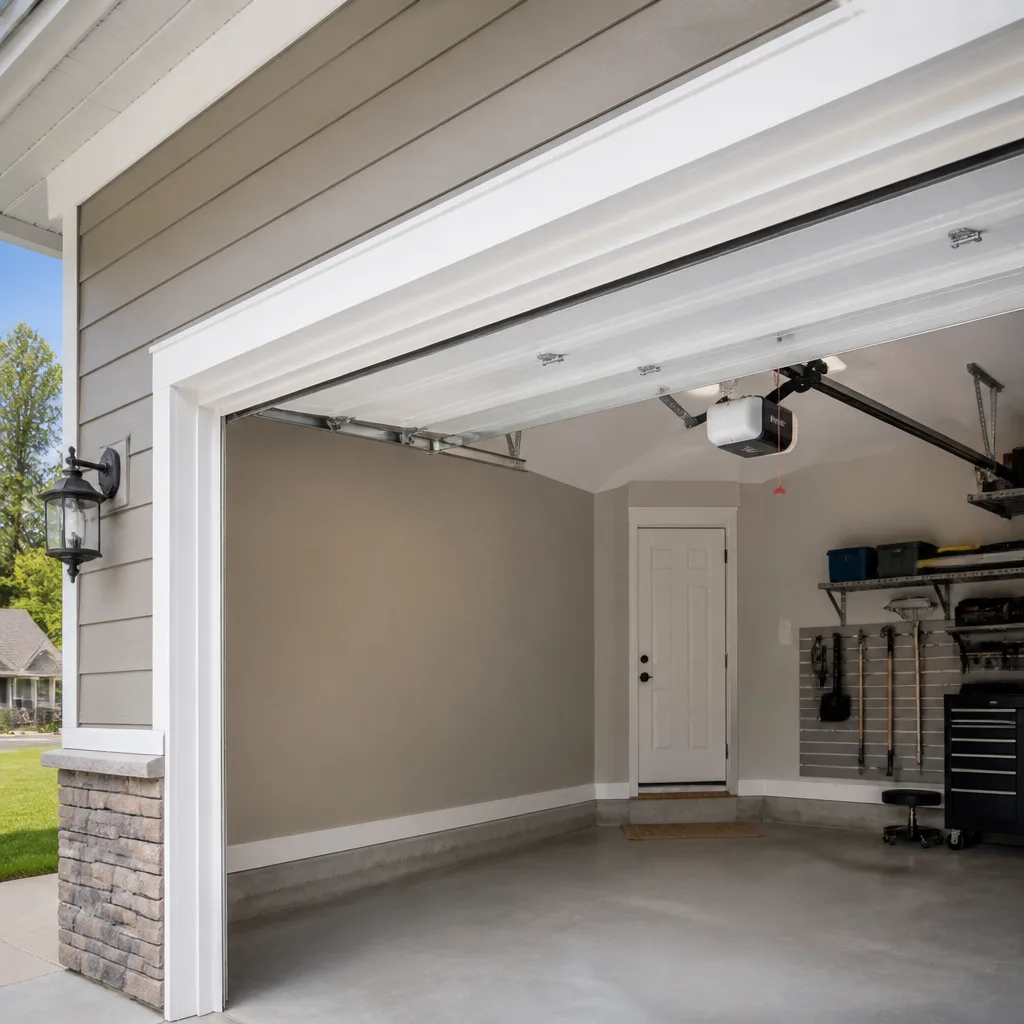 LiftMaster openers
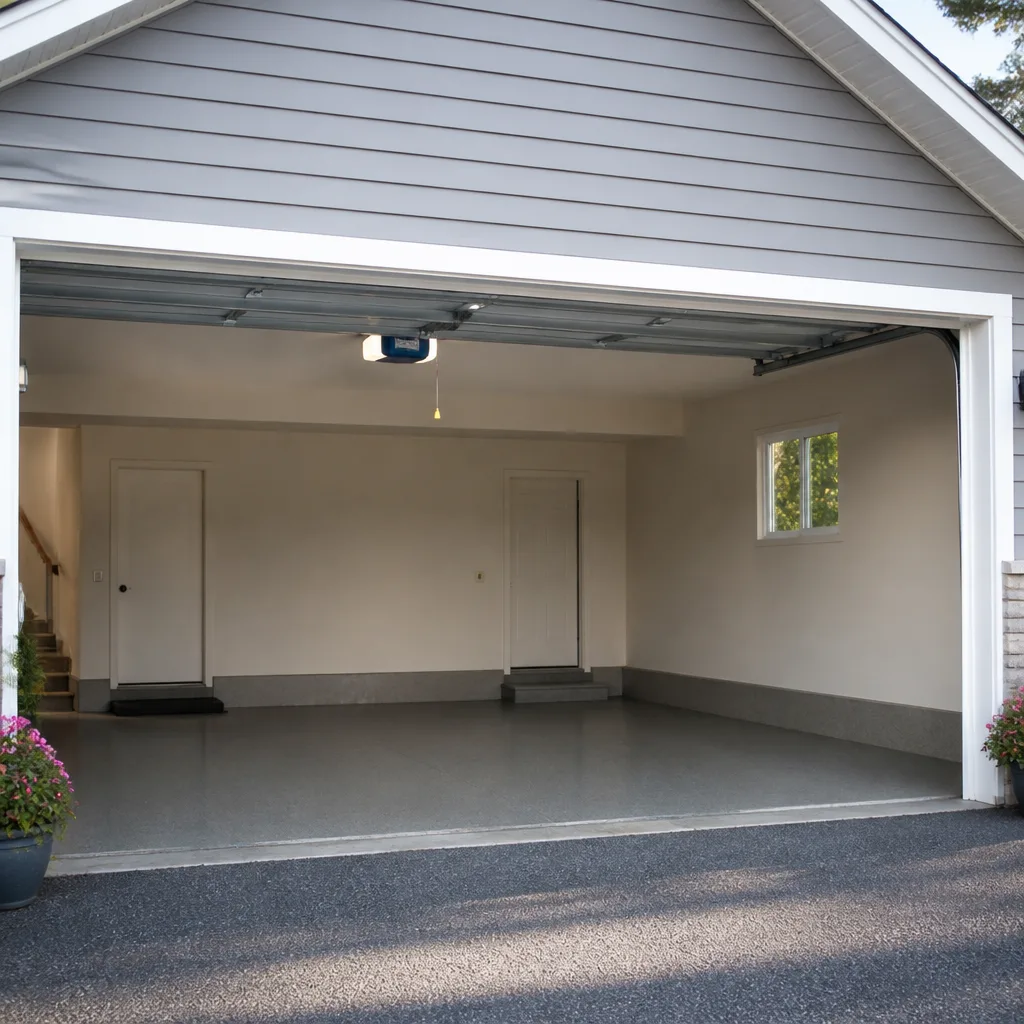 Chamberlain openers
Full 25-point door and opener safety check with every visit - springs, cables, rollers, tracks, and your LiftMaster or Chamberlain opener included
You get a price before we start. It does not change when the pro arrives.
Get your free estimateHow to Hire a Garage Door Contractor in Peoria: A Step-by-Step Guide
Here’s the part of hiring a garage door contractor that most homeowners don’t find out until it’s too late: Arizona doesn’t require a state-issued license specifically for garage door installation or repair work. That means the person who shows up to replace your torsion springs tomorrow may have started doing it last week, and nothing in their ad tells you the difference. The barrier to entry in this trade is low. A truck, a set of winding bars, and a free classified listing are enough to get started.
The consequences of a bad hire are real. An improperly tensioned spring can fail suddenly. A cheap opener install can void the manufacturer’s warranty on the equipment you already own. This guide walks you through exactly how to vet a garage door contractor in Peoria, what credentials to ask for, and the red flags that should stop the conversation cold.
Quick Answer
To hire a garage door contractor in Peoria, verify three things before anyone touches your door: state registration through the Arizona Registrar of Contractors (ROC) if the company offers any contracting scope beyond maintenance, proof of current liability insurance with a certificate sent directly from the insurer, and brand authorization relevant to the equipment you own. Then confirm the written estimate itemizes parts, labor, and disposal separately. A legitimate contractor will hand all of this over without hesitation.
Styles & brands we work with
- Raised-panel steel
- Carriage house
- Modern flush
- Full-view glass
- LiftMaster openers
- Chamberlain openers
Table of Contents
- Why Arizona’s Licensing Gap Is a Real Problem for Peoria Homeowners
- Exactly Which Credentials to Ask For in Arizona
- The Five Questions That Separate a Specialist From a Generalist
- Red Flags in Garage Door Quotes: What Should Be Itemized
- How to Verify Brand Authorization (and Why Warranty Depends on It)
- What a Legitimate Peoria Service Area and Response Time Looks Like
- What a Certificate of Insurance Should Actually Say
- Common Mistakes to Avoid
Why Arizona’s Licensing Gap Is a Real Problem for Peoria Homeowners
Arizona handles contractor regulation through the Registrar of Contractors, and that agency covers a broad range of trades. Garage door work occupies a strange middle ground. Some tasks fall under a general contracting scope, others get treated as handyman-type repair, and there is no dedicated garage door license class. When you’re searching for garage door repair in Peoria, this matters because it means the industry has almost no formal gatekeeping.
Think about what that produces in a market like Peoria. The city has grown fast, and new housing tracts in areas like Vistancia and the neighborhoods around Terramar and Camino a Lago mean thousands of garage doors that are now aging into their first round of spring and opener failures. That demand attracts both career specialists and opportunists. The opportunists usually show up in peak season, quote a number that undercuts everyone, and disappear before the door fails again.
The practical defense is to treat every contractor as unverified until they prove otherwise. That’s not cynicism. It’s how you stay protected in a state where the license requirement simply doesn’t cover this specific trade. You won’t find a “garage door license” to check, so you have to check everything else.
What this means for you: ask for the ROC registration anyway if the company also offers any installation or structural work. Even when it isn’t strictly required for a spring swap, a contractor who holds one has been through a background check and bonded registration process. It’s one more data point in their favor.
Exactly Which Credentials to Ask For in Arizona
Here’s the short version: ask for ROC registration, a certificate of liability insurance, and a written estimate before work starts. Get all three in writing. A contractor who can’t produce them in a few minutes isn’t organized enough to be trusted with a torsion spring under tension.
Walk through these in order when you make the call:
- ROC registration number. If they have one, ask for the number and look it up yourself on the Registrar of Contractors website. Don’t accept a screenshot. Verify the class matches the work being quoted.
- Liability insurance. Ask for the certificate of insurance, and ask the insurer to email it to you directly. This prevents the classic trick of a photocopied certificate that’s expired or belongs to someone else.
- Workers’ compensation coverage. If the person coming to your home is an employee rather than the owner, ask whether the company carries workers’ comp. If a helper gets hurt on your property, this is what protects you from liability.
- Business registration. The company should be able to give you a legal business name and a physical mailing address. A cell phone number and a Gmail account isn’t a business. It’s a side gig.
- Written estimate. Never authorize work based on a verbal number. Get it in writing the same day. If the contractor says “I’ll just give you a ballpark,” that’s not a contractor, that’s a gamble.
None of these requirements will take a professional more than a few minutes to satisfy. The hesitation, when it comes, tells you everything.
The Five Questions That Separate a Specialist From a Generalist
Ask these five questions before you schedule anyone to come to your home. The answers identify whether you’re talking to a garage door specialist or a handyman who’s willing to take the job. You’ll know within the first two questions.
1. “Which brands do you work on regularly?” A specialist will name specific equipment. LiftMaster and Craftsman openers, Clopay and Wayne Dalton doors, and similar lines they’ve worked on repeatedly. A generalist will say “we can work on anything.” That usually means they’ve worked on almost nothing specific.
2. “How do you diagnose a spring that’s failing versus an opener that’s underperforming?” The answer should involve concrete tests. Weight balance, opener force settings, safety sensor alignment, spring winding count. If they can’t describe the diagnostic process, they don’t do it often.
3. “Do you repair openers, or do you only replace them?” Plenty of general contractors skip opener repair entirely. They’ll install a new opener because that’s easier for them, not because it’s the better answer for you. A real specialist repairs the unit when it’s repairable.
4. “Can you send me a written estimate before scheduling?” A specialist can typically provide a range over the phone based on the description of the problem, and confirm it in writing after they see the door. Vagueness here is a warning sign.
5. “What’s the plan if the door needs parts that aren’t in the truck?” The answer should acknowledge that some jobs require ordering, and the estimate should reflect that. Any promise of “we have everything” for a non-standard door is usually false.
These questions take less than ten minutes on the phone. What you learn could save you hundreds and, in the case of a spring, actually keep you safe. From experience, the gap between a specialist and a generalist in this trade is wider than in most home services.
Red Flags in Garage Door Quotes: What Should Be Itemized
A legitimately itemized garage door quote lists parts and labor separately, names the specific parts being installed, and shows disposal if the old equipment is being hauled away. If your quote is a single lump-sum number with no breakdown, ask for a revised version. If the contractor can’t produce one, walk away.
What a proper quote should show:
- Part numbers or specific descriptions. “Torsion spring” isn’t enough. You want the wire gauge and inside diameter, or the equivalent spec for your door’s weight. This is what determines whether the spring lasts five years or fifteen.
- Labor broken out separately. A lump-sum including parts and labor hides which side the contractor is padding.
- Disposal line. Old doors and opener units don’t ride to the dump for free. A quote that omits disposal either leaves the debris with you or tacks on a surprise fee later.
- Opener parts distinguished from labor. If you’re getting a new opener, the unit, rail, and accessories should all appear as separate costs.
- Any required permits called out. Most cities require a permit for structural changes, and Peoria follows that general pattern. If the work is more than a parts swap, ask the city’s building department what applies to your address.
A suspiciously low bid usually reveals itself later in real costs. Cheap springs and short-cycle opener models cost less up front and fail sooner. Labor that’s “free” often means a rushed install with springs wound to a guess rather than a spec. And a bid that undercuts everyone by a wide margin often means the contractor is either uninsured or plans to upsell hard once the door is apart. Neither leaves you better off.
Prices for this work vary by job. The written estimate is the number that matters, and you should insist that no work begins until the estimate is agreed and signed.
How to Verify Brand Authorization (and Why Warranty Depends on It)
Brand authorization means the manufacturer has formally recognized the contractor as trained and qualified to install, repair, or service their equipment. It matters because improper installation by an unauthorized technician can void your manufacturer’s warranty, even on equipment you already own.
Here’s how to verify:
- Go to the manufacturer’s dealer locator. LiftMaster, Clopay, Chamberlain, Genie, Amarr, Wayne Dalton, Craftsman, and Raynor all publish authorized-dealer or certified-installer directories. Look up the contractor by name.
- Ask for the specific certification. “We work with LiftMaster” is not the same as “we’re a LiftMaster authorized dealer.” The second one has a verifiable listing behind it.
- Ask what the warranty terms are for their installations. A contractor confident in their certification will know exactly what warranty attaches to which parts and which labor.
Why this matters for a Peoria homeowner specifically: the desert heat and monsoon season push equipment hard. Doors that get direct afternoon sun on the west face of a house can run hotter than the manufacturer’s spec, and opener motors cycle more often when the door has to work against expanded seals and a slightly out-of-true track. When something fails in the first year, you want the warranty to actually apply. An unauthorized install can leave you holding a failed part with no coverage.
Some manufacturers treat warranty claims differently for a contractor with a Raynor or Clopay authorization versus one who bought the door from a supply house. Know which category your contractor is in before you sign.
What a Legitimate Peoria Service Area and Response Time Looks Like
A legitimate Peoria-area garage door company will state its service area clearly and give you a realistic arrival window. If the person on the phone can’t tell you roughly where they’re driving from or what window they can hit, that’s information you need.
Peoria stretches wide north and south, so realistic service hinges on where the crew is actually coming from. A door out in Vistancia is a very different drive than one in the older neighborhoods near downtown Peoria or out toward Lake Pleasant. Here’s what a professional response should look like:
- A stated service radius. The company should tell you which nearby cities they cover, like Surprise, Glendale, Sun City, or Anthem. If they claim the whole Phoenix metro, ask how they actually route crews to Peoria.
- A realistic arrival window. Not “sometime today.” Not a four-hour window that keeps moving. A specific range that you can plan your morning around.
- Same-day availability for repair calls. For a broken spring or dead opener, a dedicated specialist can usually offer same-day repair when you call early. Fast dispatch from 7am to 7pm, Sunday through Friday, is the realistic standard for a dedicated company, with the phone line answered 24/7 for scheduling. We’re closed on Saturdays.
- Clear scope boundaries. A dedicated garage door specialist won’t offer plumbing or general repairs on the same call. That’s not a limitation. It’s how you know they actually do this every day.
Don’t assume a service area from an ad. Ask.
What a Certificate of Insurance Should Actually Say
A valid certificate of insurance will name the insured business, show general liability coverage in an amount that reflects the work being done, list the policy effective dates, and come directly from the issuing insurance company or a licensed agent. It won’t just be a PDF the contractor typed up.
What to look for when the certificate arrives:
- The insured name matches the company you’re hiring. A certificate under a different name is a red flag.
- The policy is currently active. Check the effective and expiration dates against today’s date. Expired certificates get passed around more often than you’d expect.
- General liability limit is adequate. For garage door work, an installation or repair gone wrong can mean damage to the door, the opening, the vehicle parked under it, or the house itself. A policy that’s too thin doesn’t protect you.
- Workers’ compensation is listed separately if the company has employees. General liability does not cover injuries to workers.
- An actual agent or insurer is listed with contact information. You should be able to call and verify the certificate directly.
If a contractor offers to send you a scan and dismisses your request to contact the insurer, that’s not a busy professional. That’s a warning. The call to the insurer takes five minutes and gives you real peace of mind. Do it.
Common Mistakes to Avoid
- Hiring on price alone. The cheapest bid in Peoria is almost always the cheapest for a reason. It usually means shorter-cycle parts, thinner gauge springs, or a contractor who’s not insured. You won’t discover the difference until the second failure.
- Accepting a verbal quote. “He said about $250” is not a quote. Get it in writing every time. The invoice after the work should match the written estimate exactly.
- Skipping the insurer verification. Photocopies are easy. Call the insurance company directly. This is the single best protection you have against a contractor who’s operating without coverage.
- Assuming a general handyman can handle springs. Torsion springs are under extreme tension and are genuinely dangerous to work on. A handyman who says “yeah, I can do that” without specific garage door training is putting themselves and your household at risk.
- Not asking about brand authorization. If your existing LiftMaster opener fails under warranty and the technician who installed it wasn’t authorized, the warranty may not honor the claim. Ask before you book.
- Ignoring the disposal line. Old doors and openers don’t walk themselves to the curb. Confirm the quote includes haul-away or plan for it yourself.
- Booking the first company that answers. In a market like Peoria, the first one to pick up isn’t always the best fit. Make two or three calls. The differences become obvious fast.
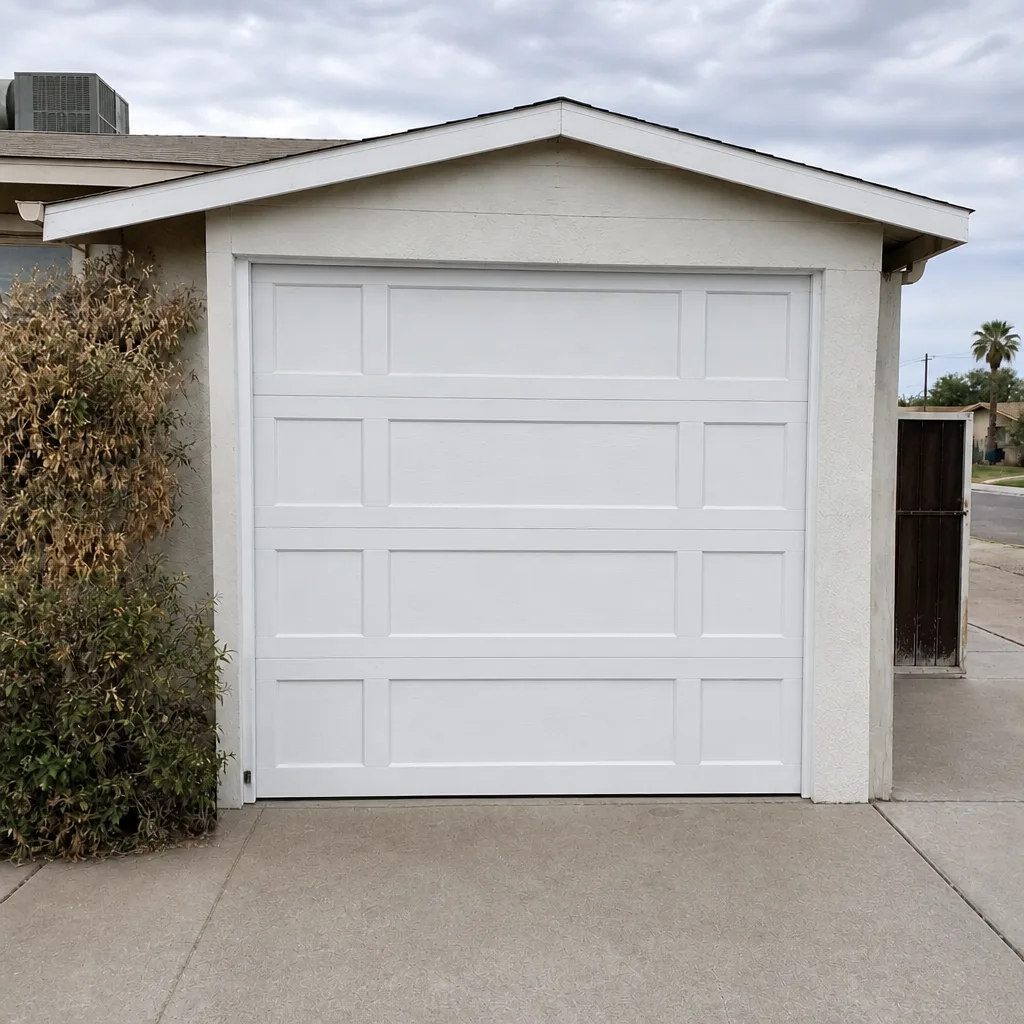
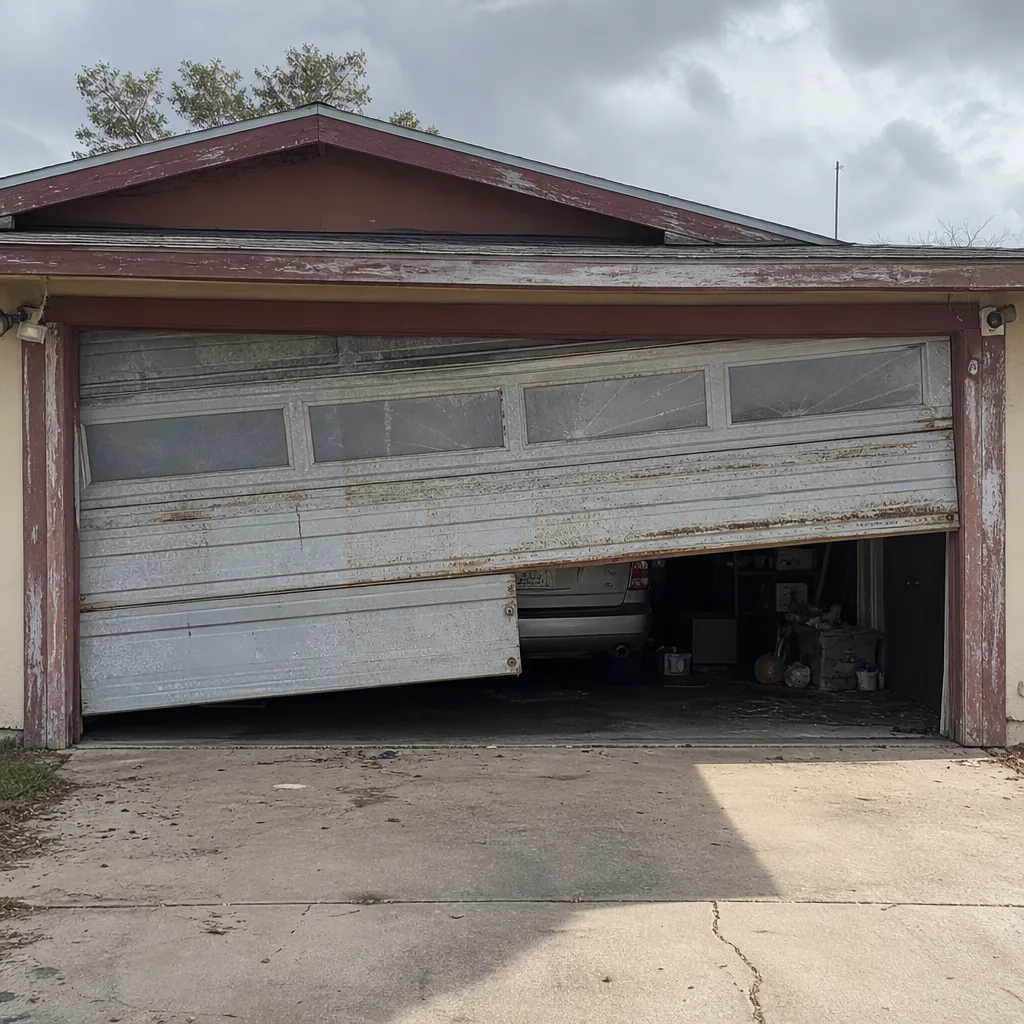
See the difference
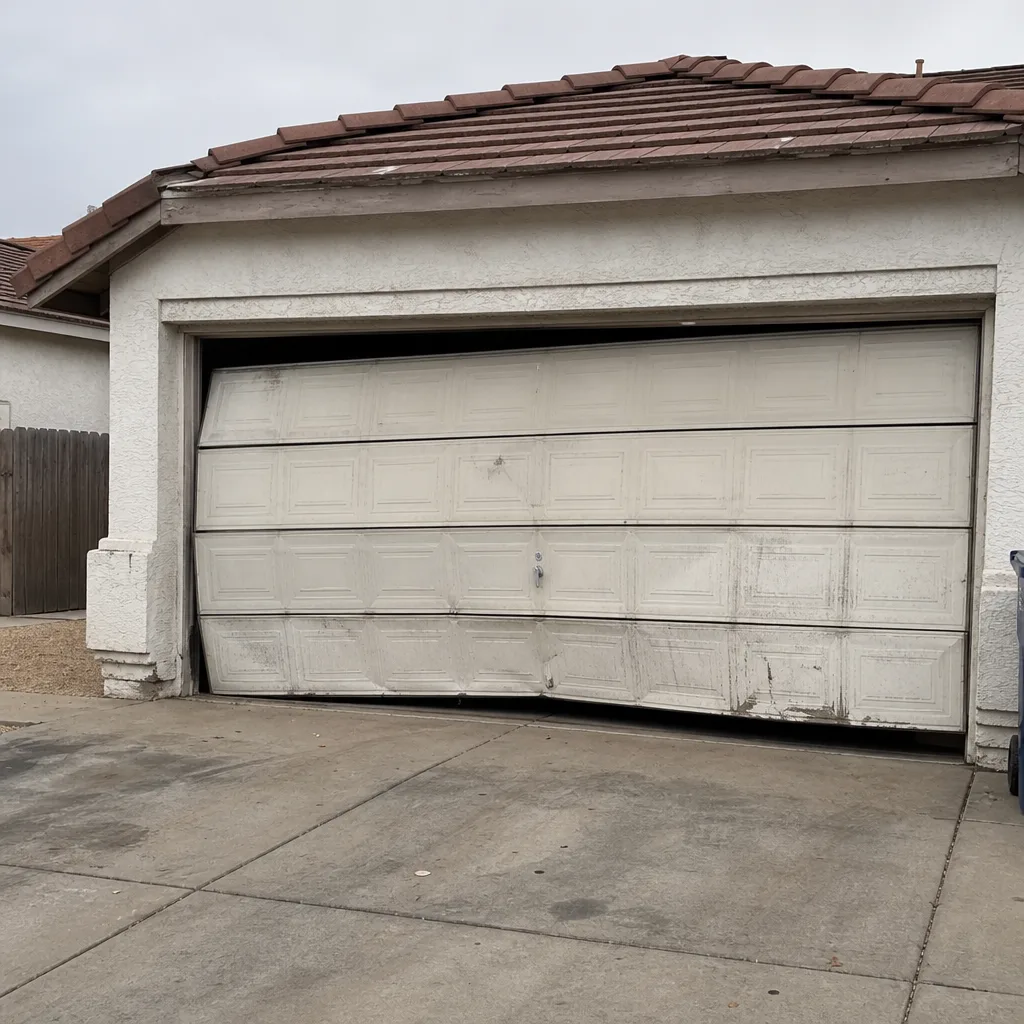 Before
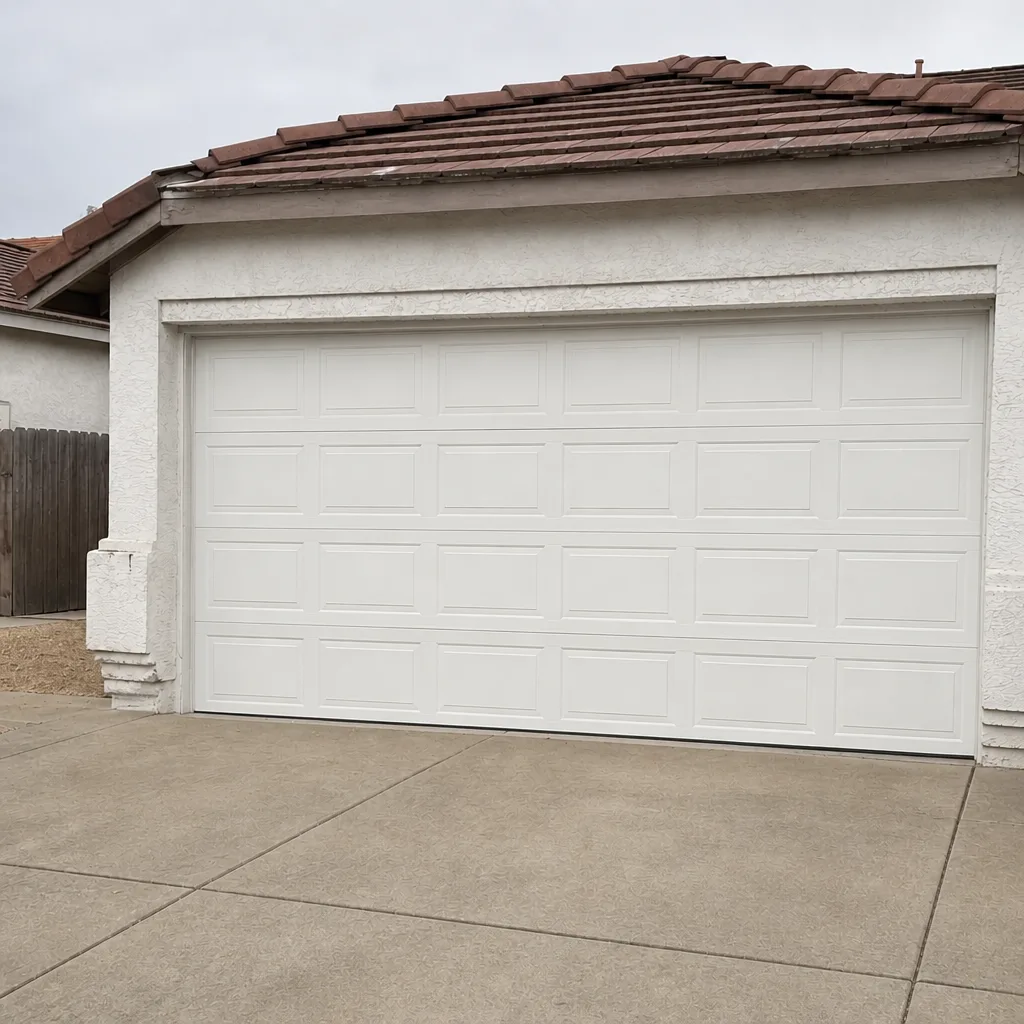 After
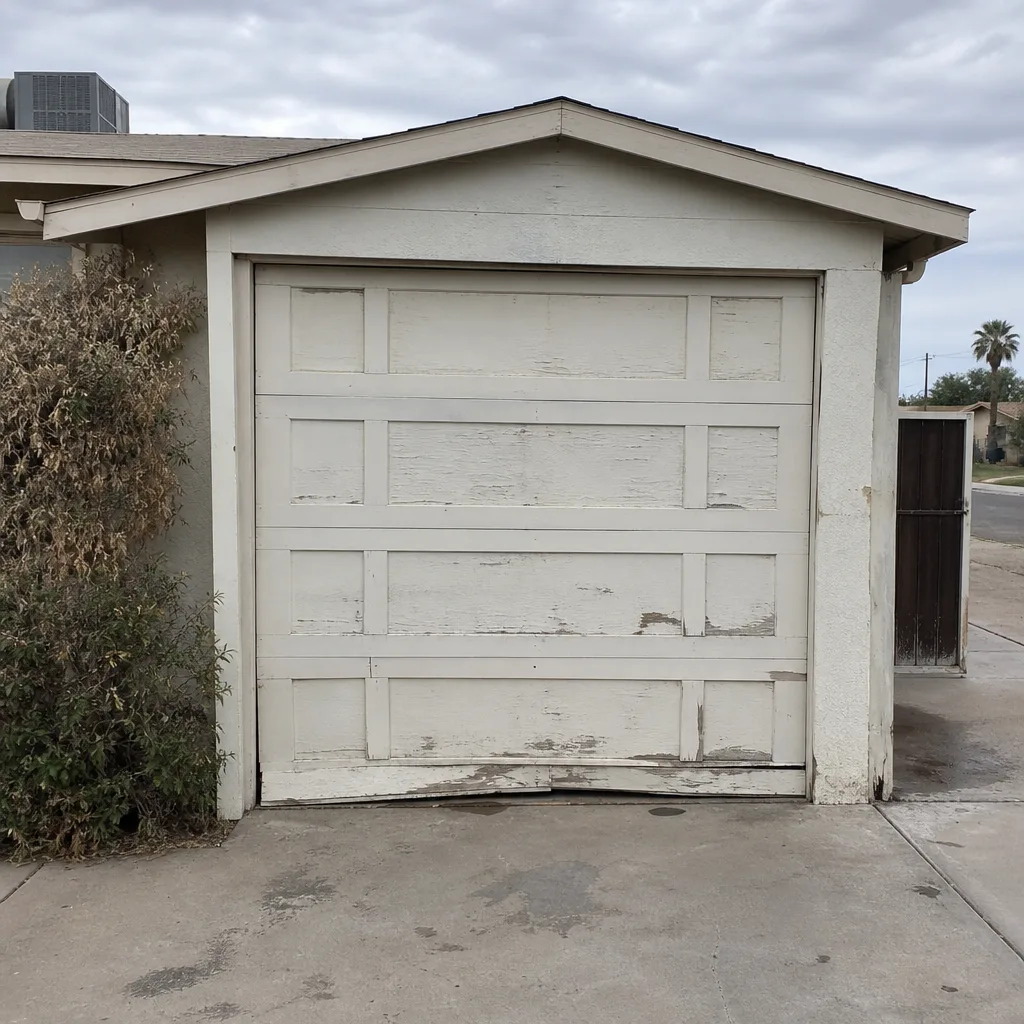 Before
 After
 Before
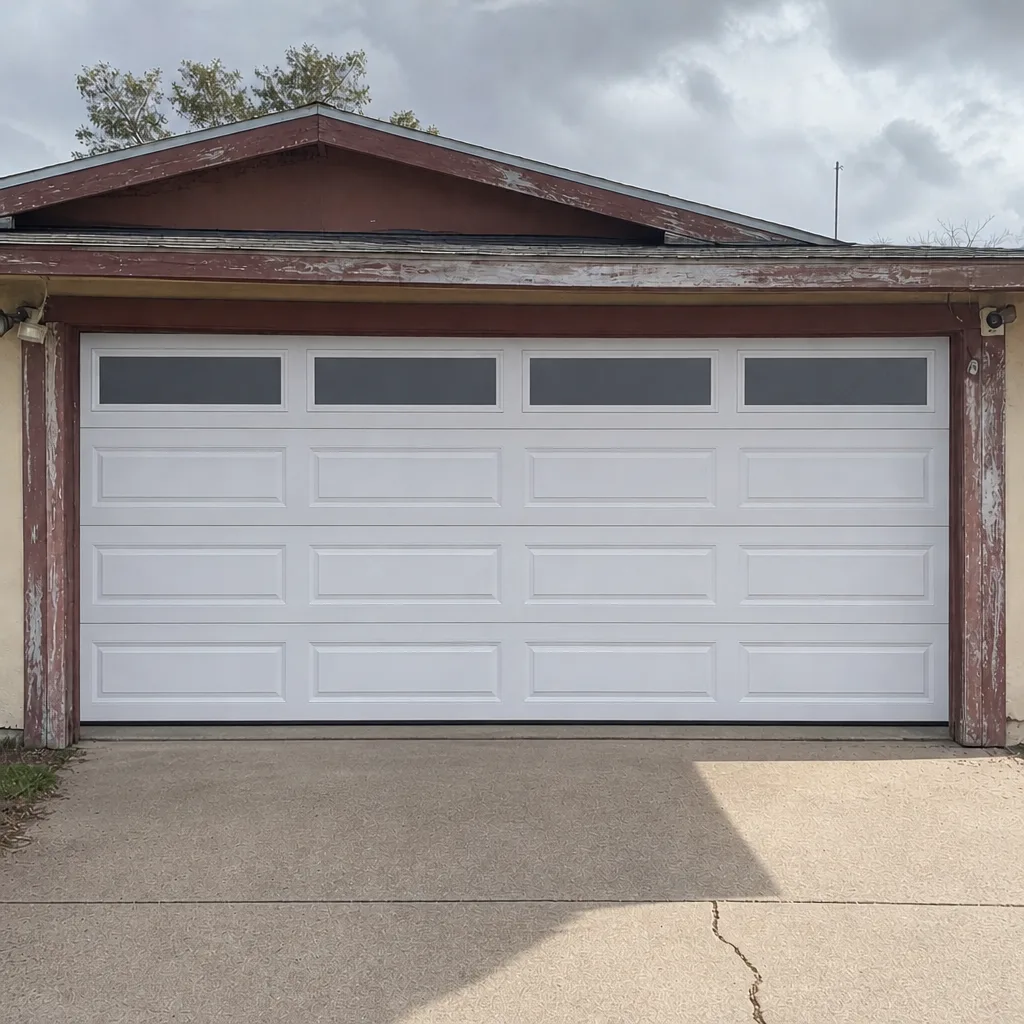 After
When to Call a Professional
Call a professional the moment you hear the door struggling, see uneven gaps along the bottom, or notice the opener reversing without reason. A snapped spring, a door that won’t travel fully, an opener motor that runs but doesn’t lift, or a safety sensor that’s stopped reading the beam are all signs to stop using the door and get a technician out.
Torsion spring work and opener electrical diagnosis are not DIY tasks. The system stores serious energy, and getting it wrong can result in injury. A trained technician can walk through the balance and force testing in minutes and give you an honest read on garage door opener repair versus replacement of the unit.
Stellar Garage Door Service offers free estimates in Peoria – call (833) 620-5171. We answer 24/7. Fast dispatch from 7am to 7pm, Sunday through Friday. We’re a garage door specialist only, so the technician who shows up works on these doors every day.
Frequently Asked Questions
Arizona does not have a dedicated state license class for garage door installation or repair. The state regulates contractors through the Registrar of Contractors, and some garage door tasks fall under that umbrella while others don’t. Because the licensing requirement is thin, verify insurance, business registration, and brand authorization directly. It’s not a formality. It’s the only real check you have.
Garage door repair cost in Peoria depends on the specific failure. Springs, cables, rollers, and opener issues each price differently, and the job scope matters more than a sticker number. A free written estimate is the only way to get an accurate number for your door. Call (833) 620-5171 for an exact quote – estimates are free.
Ask for the certificate of insurance and have the insurer send it to you directly. The certificate should name the same business you’re hiring, show current effective dates, and list the insurer with contact information you can verify. Anyone who resists this request is telling you something useful.
An unauthorized repair or install can impact warranty coverage, depending on the manufacturer and the specific part. Before you book, ask whether the contractor is authorized for the brand you have – LiftMaster, Chamberlain, Genie, Clopay, Amarr, Wayne Dalton, Craftsman, and Raynor all maintain dealer or installer listings you can check. Ask what warranty applies to their work and their parts.
Same-day repair is common for spring, opener, and cable failures when you call early enough in the day. Dispatch runs Sunday through Friday, 7am to 7pm. If a door fails on a Saturday, call and we’ll book you for Sunday. Call (833) 620-5171. We answer 24/7.
A proper quote itemizes parts, labor, and disposal separately, and names the specific parts being installed. For opener work, the unit and accessories should appear separately from labor. Any required permit should be noted. If the quote is one lump-sum number, ask for a revised version before you sign.
The Bottom Line
Hiring a garage door contractor in Peoria comes down to verification. The trade has a low barrier to entry, and Arizona’s licensing structure leaves most of the vetting to you. Ask for ROC registration where it applies, get the certificate of insurance sent from the insurer, confirm brand authorization for the equipment you actually own, and insist on a written estimate that itemizes parts, labor, and disposal. Do that, and you’ve filtered out most of the risk before anyone touches your door.
The rest is fit. A dedicated specialist who works on doors every day will handle spring repair, opener diagnosis, and full installation without subcontracting any of it. Stellar Garage Door Service works on the major brands – LiftMaster, Craftsman, Raynor, Wayne Dalton, and more – and treats garage doors as the only job. Your door, any brand, handled. Explore our Stellar Garage Door Service work, or see how we serve homeowners across Peoria.
Call (833) 620-5171 for a free estimate. We answer 24/7. Fast dispatch from 7am to 7pm, Sunday through Friday. Every price is quoted and agreed before any work begins.
Written by the team at Stellar Garage Door Service.