
Last updated November 16, 2026
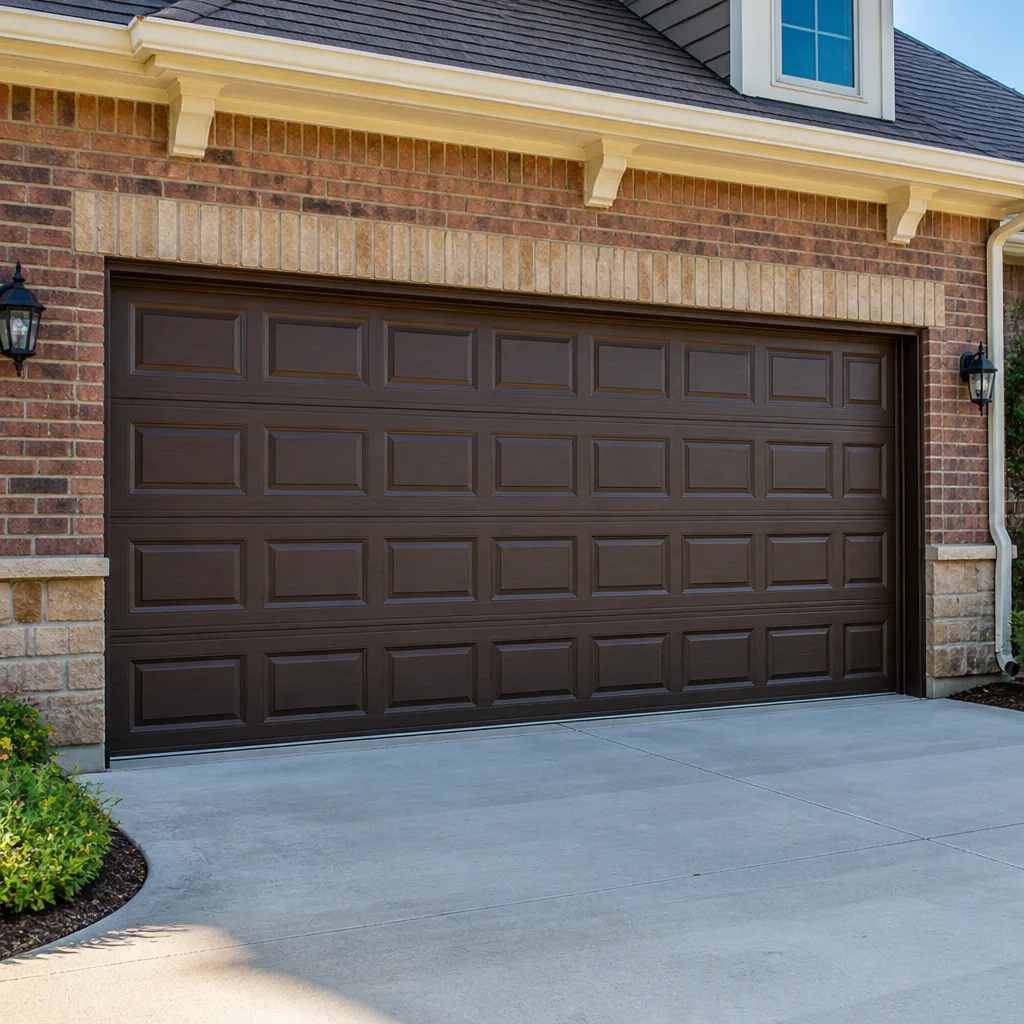 Raised-panel steel
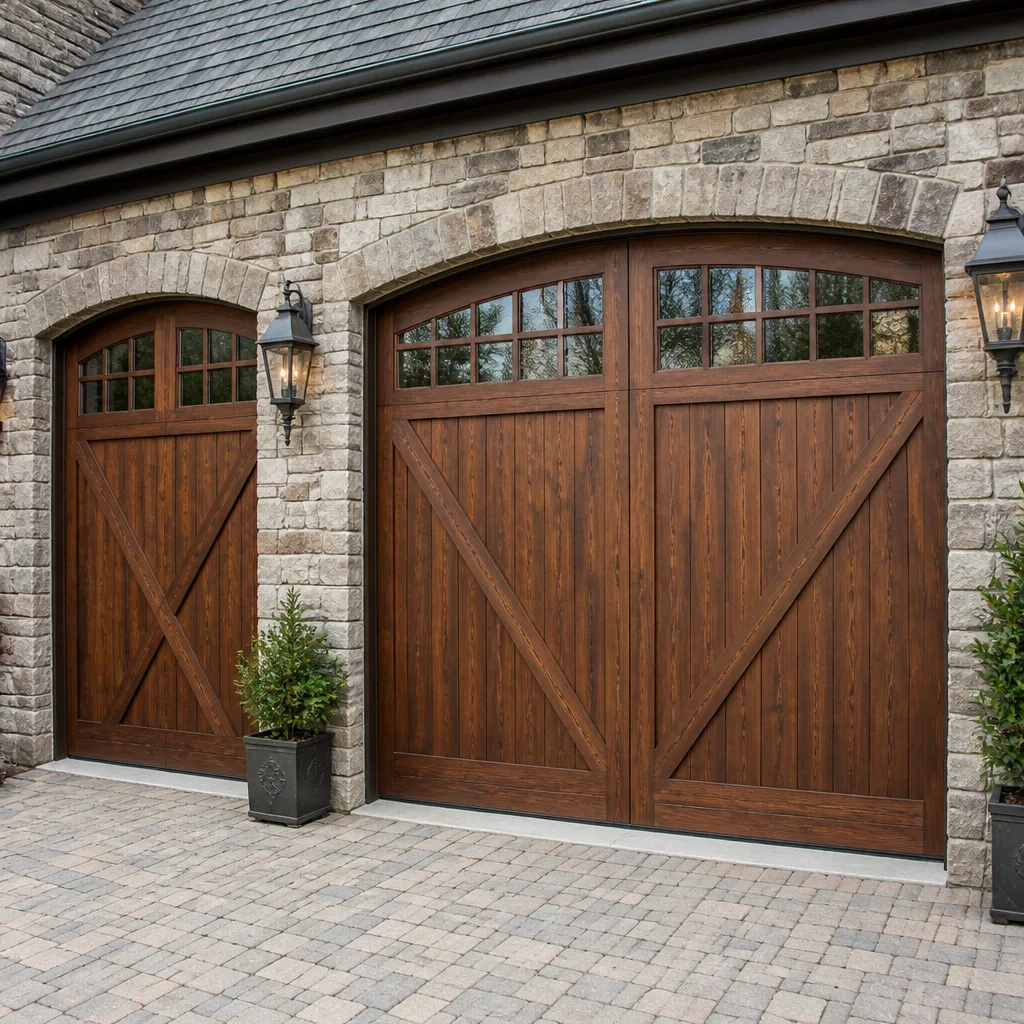 Carriage house
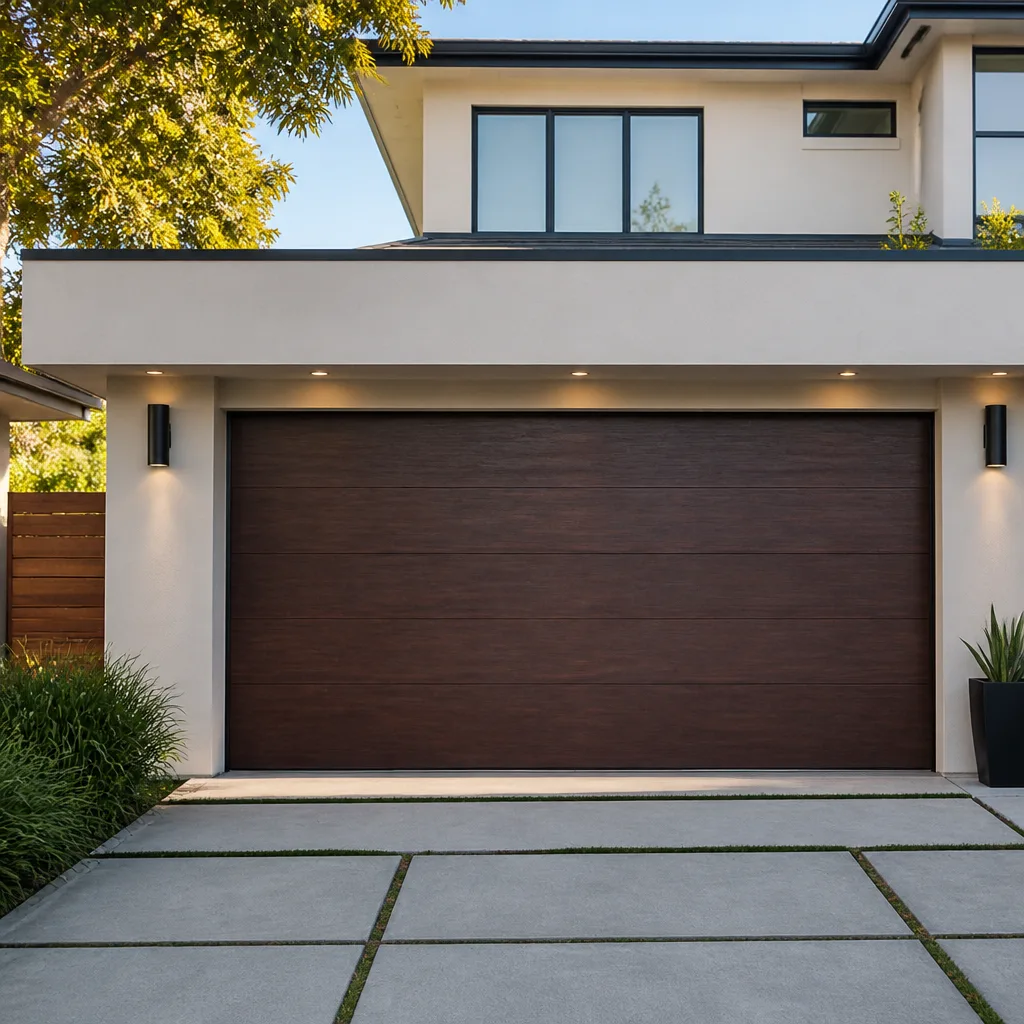 Modern flush
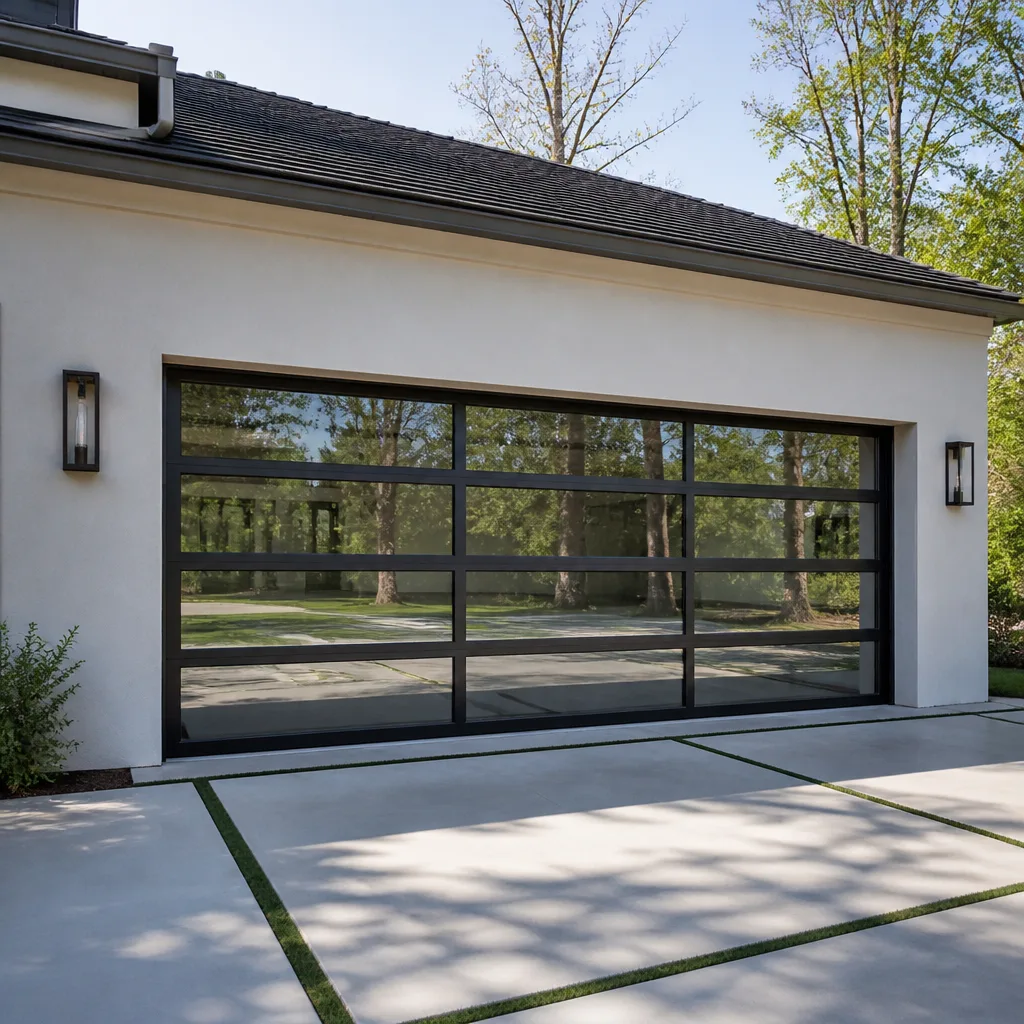 Full-view glass
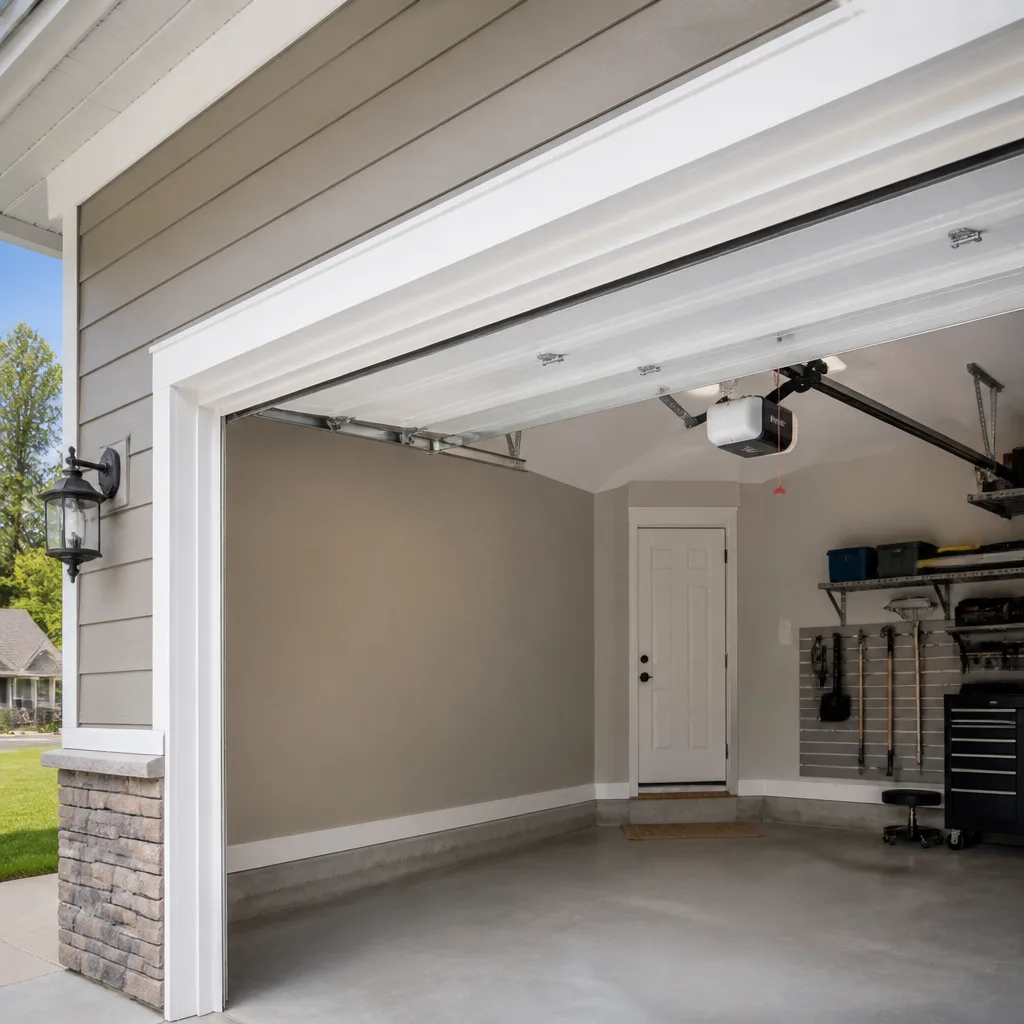 LiftMaster openers
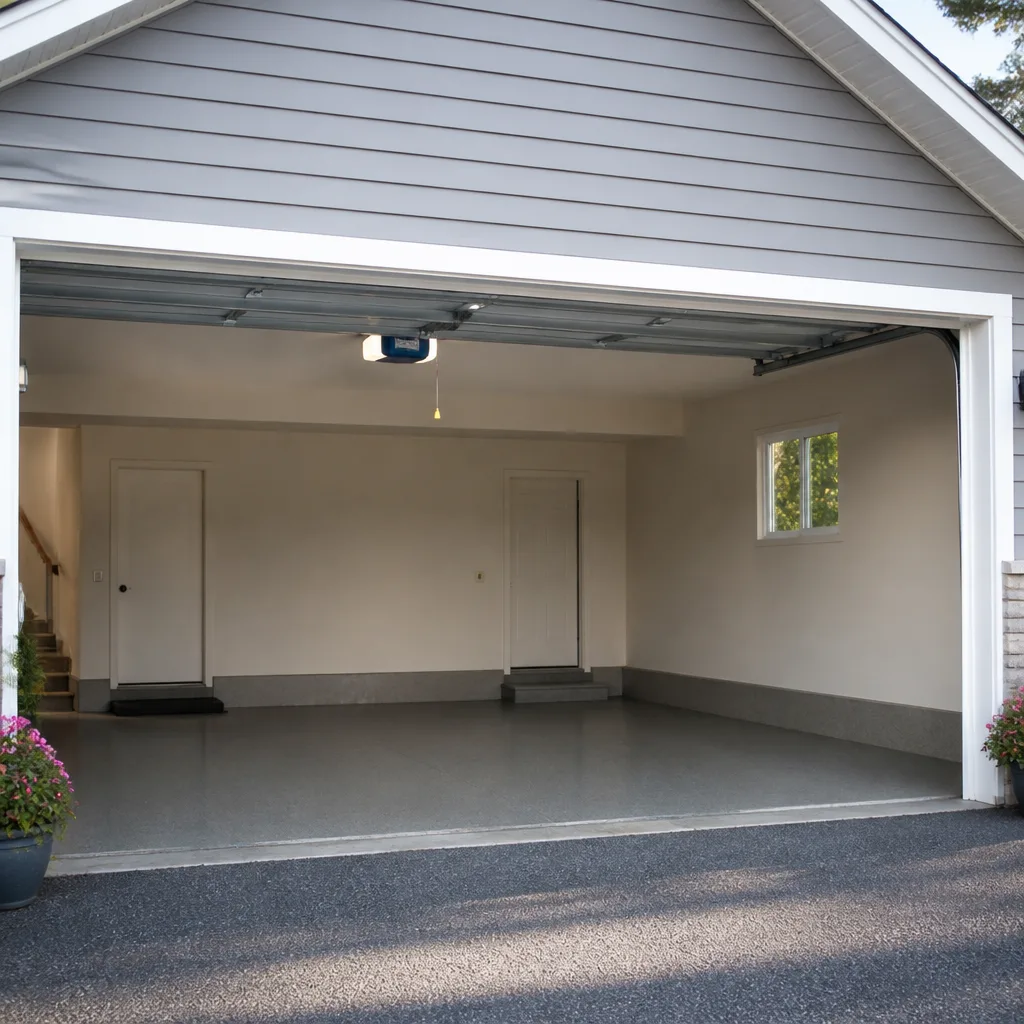 Chamberlain openers
Full 25-point door and opener safety check with every visit - springs, cables, rollers, tracks, and your LiftMaster or Chamberlain opener included
You get a price before we start. It does not change when the pro arrives.
Get your free estimateGarage Door Repair Troubleshooting in Peoria: Common Problems and How to Fix Them
A garage door that reverses before it reaches the ground isn’t broken. It’s doing exactly what it was programmed to do. The real problem is almost always a misaligned safety sensor, and understanding that one fact can save you from paying to replace parts that were never at fault. Most Peoria homeowners troubleshoot from the symptom – the grinding noise, the slowdown, the door that won’t close – instead of the cause underneath it. This guide teaches you to read what your door is actually telling you, so the fix lands on the right component the first time. You’ll learn which symptoms point to which parts, which checks are safe for you to run, and which ones to leave alone.
Styles & brands we work with
- Raised-panel steel
- Carriage house
- Modern flush
- Full-view glass
- LiftMaster openers
- Chamberlain openers
Quick Answer
Most garage door problems in Peoria trace back to four things: safety sensor misalignment, worn springs, cable or track damage, or a logic board or limit setting inside the opener. You can safely test sensors, balance, and remote function yourself; spring tension and cable drums are not homeowner work. Matching the symptom to the right system is what makes troubleshooting work, and a trained technician can confirm the diagnosis during a free estimate.
Table of Contents
- How Peoria Heat Changes Your Garage Door
- Symptom-to-Cause Diagnostic Table
- Spring Problems vs. Cable Problems: How to Tell the Difference
- Why a Door That Works by Hand but Not With the Opener Isn’t an Opener Problem
- Safe Troubleshooting vs. Leave-It-to-a-Pro
- What the Noises Are Telling You
- A Step-by-Step Diagnostic You Can Run Safely
- What Repair Typically Costs in Peoria
- Common Mistakes to Avoid
- When to Call a Professional
- Frequently Asked Questions
How Peoria Heat Changes Your Garage Door
Peoria summers push past 115°F, and that has a direct effect on garage door hardware. Metal tracks expand when they heat up and contract when the evening cools. That daily expansion and contraction can pull a track slightly out of alignment over a season, especially on a door facing west where the afternoon sun hits the frame directly. When the track goes out of line, the door starts to bind, drag, or jump, and the opener strains to push it. Homeowners often read that strain as a failing motor.
Heat affects more than tracks:
- Grease thins. Lubricant on rollers, hinges, and the torsion bar breaks down faster in sustained heat, and dry metal parts start to grind and squeal.
- Sensors drift. The small brackets holding the safety sensors can shift with thermal movement, and a lens pointed even slightly off-target will trip the reversal.
- Wood doors swell. A wood door absorbs moisture differently across a Peoria year; panels can warp enough to rub the frame.
- Weather seals dry out. Bottom seals crack and shrink, which lets heat, dust, and pests into the garage and can throw off how the door meets the floor.
This is why a door that worked fine in spring starts acting up in July. The parts haven’t failed so much as the tolerances around them have changed. In our experience, a large share of “my opener is dying” calls in Peoria in mid-summer turn out to be a track out of alignment or dry hardware, not a dead motor. Before you replace anything electronic, check the mechanical side. The same pattern shows up across the valley, which is why our Peoria service page leads with alignment and hardware checks before opener diagnosis.
Symptom-to-Cause Diagnostic Table
Use this table to move from what you’re seeing to what’s most likely causing it. Each symptom lists the most probable causes in order, so you can start with the cheapest and simplest check. A trained technician confirms the diagnosis during a free estimate before any work begins, and the price is quoted and agreed before anything is repaired.
- Door reverses before touching the floor: safety sensor misalignment first, then a blocked or dirty sensor lens, then a faulty sensor wiring connection.
- Door won’t close at all, but opens fine: sensor obstruction or a limit setting in the opener.
- Door opens a few inches and stops: a broken torsion spring, or the opener’s travel limit out of adjustment.
- Door is very heavy to lift by hand: spring tension lost or spring broken.
- Door sags on one side: a stretched or snapped cable, or a worn roller.
- Door rattles or shakes the whole frame: loose hinges, worn rollers, or a track out of alignment.
- Grinding noise during travel: dry or worn rollers, or debris in the track.
- Squealing that rises and falls: dry torsion bar or worn bearings.
- Loud popping sound, then door won’t lift: a broken spring.
- Opener runs but door doesn’t move: a broken spring, a snapped cable, or a disengaged manual release.
- Remote works intermittently: weak battery, antenna position, or a logic board issue.
- Door travels unevenly or jerks: track misalignment, often heat-related in a Peoria summer.
Knowing which of these you’re dealing with before you call shortens the visit and gets the right part on the first trip. If you’re not sure where your symptom fits, phone it in and describe it. A quick conversation usually narrows it down.
Spring Problems vs. Cable Problems: How to Tell the Difference
Springs and cables do overlapping work, and their symptoms look alike from the driver’s seat. Springs store the energy that counterbalances the door’s weight; cables connect that energy to the door and keep it level. When one fails, the door often behaves the same way: heavy, uneven, refusing to lift. But the fix and the danger level are completely different, so telling them apart matters.
Signs it’s a spring
- The door is heavy on both sides when you lift it by hand.
- You hear a loud pop from above the door, then it won’t open.
- You can see a visible gap in a torsion spring, or a stretched extension spring.
- The door opens a few inches with the opener and stops.
Signs it’s a cable
- The door sags or hangs lower on one side.
- A cable is visibly slack, frayed, or off its drum.
- The door racks left or right as it travels.
- You see cable hanging loose inside the track.
Here’s the part that matters most. Springs under tension are dangerous, and a cable that has come off a drum can whip with stored force. Neither is a homeowner repair, no matter how handy you are. This is the single most common place people get hurt working on a garage door. If you suspect a spring or cable failure, stop, don’t run the opener, and call for a trained technician. That’s not caution for its own sake – it’s the difference between a repair and an emergency room visit.
Why a Door That Works by Hand but Not With the Opener Isn’t an Opener Problem
If you can disconnect the opener and lift the door smoothly by hand, but the opener won’t move it, the opener is usually doing its job. It’s reacting to resistance it isn’t programmed to overcome. The opener has force limits built in to protect people and property, and when the door is heavier than it should be, the opener reads that as an obstruction and reverses or stalls.
That heaviness almost always comes from the door side of the system, not the motor:
- Spring tension has weakened. The door feels heavier because the spring is no longer carrying its share of the load.
- A roller is seized. One stuck roller can add enough drag for the opener to trip its force limit.
- The track is out of alignment. A bind point creates resistance the motor can’t push past.
- The door is off balance. A properly balanced door should hold position halfway up when you lift and let go; if it drops or rises, the spring or cable side needs attention.
Before you buy a new opener, disconnect it and test the door by hand. If it’s heavy or binds, the opener isn’t the villain. This is where a lot of unnecessary garage door opener repair gets sold by people who don’t check the door first. We work on the brand you already have – LiftMaster, Chamberlain, Genie, and the rest – so we’re never looking for a reason to push a replacement. We check the whole system. If the door itself is the problem, that’s what we fix.
If the door moves freely by hand and the opener still won’t run it, then you’re into opener territory: travel limits, force settings, photo-eye logic, or the board. Even then, repair first is usually cheaper than replacement. Many openers can be fixed rather than swapped.
Safe Troubleshooting vs. Leave-It-to-a-Pro
Some checks are genuinely safe for a homeowner, and doing them saves time. Others carry real risk, and no amount of DIY confidence changes that. Here’s the line between them.
Safe for you to check
- Wipe the safety sensor lenses and confirm both are pointed at each other.
- Listen for the sensor’s click and watch for the indicator light.
- Disconnect the opener and lift the door by hand to judge balance and weight.
- Replace the battery in your remote and reposition the opener’s antenna wire.
- Clear debris from the tracks and look for dents or bends.
- Look at the springs and cables for visible gaps, fraying, or slack – look only, don’t touch.
- Confirm the opener is plugged in and the circuit breaker hasn’t tripped.
Leave it to a trained technician
- Adjusting torsion spring tension – requires proper tools and knowledge of stored force.
- Replacing springs or reattaching cables to the drums.
- Straightening or re-mounting a track that has come off the frame.
- Rewiring or replacing safety sensors at the connection point.
- Any work on the opener’s board or internal wiring.
- Anything involving a door that has come off its track.
The pattern to remember: you can inspect, clean, and adjust the safe, accessible parts. You don’t put your hands into tension. Our technicians have up to 8 years of experience, and the spring and cable work is exactly where that experience counts.
What the Noises Are Telling You
Your door is loud about its problems. Match the sound to the component and you’ll usually land on the right system before anyone touches it.
- Grinding during travel – dry or worn rollers, or grit in the track. Often fixed with lubrication and a track cleaning, or new rollers if they’re worn flat.
- High squeal that rises and falls – dry torsion bar or worn bearings at the end plates. Lubrication helps short-term; worn bearings need replacement.
- A single loud pop, then silence or a stuck door – a torsion or extension spring has failed. Stop using the door and call.
- Rattle or shake across the whole door – loose hinges or a track that’s worked loose. Tighten and realign.
- Banging as the door opens – a roller out of its track or a bent section catching the frame.
- Clicking near the opener unit – the logic board or relay switching, sometimes a sign of a board issue if the door doesn’t move after.
- Humming but no movement – the opener is trying to run the door against resistance, or the manual release is engaged.
Heat makes most of these louder in a Peoria summer because dry parts get drier and metal expands. A door that sounds rough in July often sounds fine again in October – which is why homeowners get lulled into thinking the problem fixed itself. It didn’t. The underlying wear is still there, waiting for the next hot stretch. Repair first, replace only when necessary is the honest way to handle a noisy door, and it usually costs far less than a new unit.
A Step-by-Step Diagnostic You Can Run Safely
Run these in order. Each step narrows the problem, and you’ll know within a few minutes whether it’s something you can resolve or something that needs a pro. None of these steps require you to touch springs or cables.
- Check the power. Confirm the opener is plugged in and the breaker hasn’t tripped. Sounds obvious; it’s also the most common false alarm.
- Test the wall switch and remote separately. If the wall switch works but the remote doesn’t, it’s a remote battery or antenna issue, not a door problem.
- Watch the safety sensors. Wave an object in front of the sensors and listen for the click. If the door reverses without an obstruction, clean the lenses and check that both are pointed at one another.
- Disconnect the opener and test the door by hand. Lift it halfway and let go. A balanced door holds position. A heavy or dropping door points to springs, cables, or track.
- Look at the tracks. Run your eyes down both tracks from top to bottom. Dents, bends, or a track that’s pulled away from the frame will show up here.
- Inspect the springs and cables, visually only. Look for gaps in springs, slack or frayed cables, or anything hanging loose. Don’t reach in.
- Listen on a dry run. Open and close once and note exactly where in the travel each noise happens. That position tells a technician a lot.
If steps one through five clear, and the door still misbehaves, you’re most likely facing an opener-side issue or a spring or cable problem that needs a pro. Either way, you’ve narrowed it down far enough that the next call is quick. If you’re not sure, our garage door repair team can confirm the diagnosis during a free estimate. Fast diagnosis, lasting fix.
What Repair Typically Costs in Peoria
Peoria pricing runs in the same range as the rest of the valley, and it depends on the part, the brand, and how much of the system needs to come apart. These are typical ranges, not a bid. The written estimate sets the final price, and the price is quoted and agreed before any work starts.
- Safety sensor realignment or replacement: a lower-cost repair when the fix is a bracket adjustment; a bit more when a sensor or its wiring has to be replaced.
- Spring replacement: a mid-range repair. A torsion or extension spring is priced per spring; a matched pair replaced together costs about twice one spring.
- Cable replacement: a mid-range repair, and often done alongside a spring if the two failed together.
- Roller or hinge replacement: one of the lower-cost fixes on the list.
- Track realignment or replacement: varies with how far out of line the track has gone and whether hardware needs extending.
- Opener repair: depends on whether it’s a gear, a limit setting, a sensor connection, or a board. Repairing is often less than replacing the whole unit.
One thing that doesn’t vary by city: a free estimate should cost nothing, and the written price shouldn’t move after the technician sees the job. If someone quotes you one number on the phone and another once they arrive, ask why. Our estimates are free, and you’ll know the number before we touch the door. For a firm figure on your specific door, call (833) 620-5171 – estimates are free.
Common Mistakes to Avoid
- Replacing the opener before testing the door by hand. A heavy door that stalls the opener almost always has a spring, cable, or track problem, not a motor problem. Test the door first and you may save the cost of a new unit.
- Touching a spring or cable to “see if it’s loose.” Stored energy in a spring or a cable off its drum can cause serious injury. Look, don’t touch, and call a professional.
- Ignoring a grinding noise through the summer. Because dry parts quiet down in cooler weather, a worn roller or bearing gets forgotten. The wear is still there and usually shows up again in the next heat wave.
- Bending a track back by hand. A track that’s off alignment needs proper tools to straighten. Prying it usually cracks the bracket or makes the misalignment worse.
- Buying a generic opener or part and forcing the install. A mismatched unit on a door built for one of the major brands leads to force-limit trips and a door that fights the motor. Work with a technician who knows LiftMaster, Chamberlain, and Genie, and the rest of the brands you already own.
- Overtightening or greasing the wrong parts. Too much grease attracts dust that gums up the rollers, and greasing the wrong parts hides the symptom without fixing the cause.
- Assuming a door that opens fine is safe. A balance problem on opening can become a sudden drop when the spring finally gives. If the door feels heavy or unstable at any point, it needs a look.
When to Call a Professional
Call a professional if you hear the pop of a broken spring, if the door hangs unevenly or sags on one side, if it’s come off the track, if the opener hums but doesn’t move the door, or if a spring or cable looks damaged in any way. Call if the door reverses without an obstruction and the sensor cleaning didn’t help. Call if the door feels heavy to lift by hand. And call if you’ve run the safe diagnostic checks above and the door still misbehaves – at that point, a trained diagnosis is faster and safer than another round of guessing. Our technicians have up to 8 years of experience, and they work only on garage doors. Stellar Garage Door Service offers free estimates in Peoria – call (833) 620-5171.
We answer 24/7. Fast dispatch from 7am to 7pm, Sunday through Friday, closed Saturday. If a door fails on a Saturday, call and we’ll book you into the next opening on Sunday.
Frequently Asked Questions
Your safety sensor is misaligned, dirty, or blocked. The door is doing what it’s designed to do: it senses something in the path and reverses to avoid a collision. Clean both sensor lenses, check that they’re pointed at each other, and look for anything between them. If that doesn’t fix it, the sensor or its wiring may need replacement. Call (833) 620-5171 for a free estimate if the correction doesn’t stick.
No. A torsion or extension spring is under heavy tension, and releasing that energy the wrong way can cause serious injury. Spring replacement needs proper tools and training. It’s the most dangerous repair on any garage door, and it’s not a job to attempt at home, no matter how confident you are with tools. Call a trained technician instead.
Dry or worn rollers, grit in the track, or a worn bearing are the usual culprits. Peoria’s summer heat dries out lubricant faster, so grinding tends to get worse in the hot months. Lubricating the rollers and cleaning the track often helps; if the noise stays, the rollers or bearings need replacing. Our team can confirm which part is at fault during a free estimate.
It depends on the part. Sensor repairs are on the lower end; a spring replacement costs more, and a matched pair replaced together costs about twice one spring. Cable and opener repairs fall in between, and the written estimate sets the final price. The price is quoted and agreed before any work starts, so there are no surprises. Call (833) 620-5171 for an exact quote – estimates are free.
The door is heavier or harder to move than the opener’s force limit allows, so the opener reverses or stalls to protect you and the door. That points to a spring, cable, or track problem, not the motor. Test the door by hand with the opener disconnected; if it’s heavy or binds, the door needs attention. That’s usually a much cheaper fix than a new opener.
Yes. Our technicians are trained on every major garage door and opener brand, including LiftMaster, Chamberlain, Genie, Clopay, Amarr, Wayne Dalton, Craftsman, and Raynor. They work on garage doors only, not across a range of home trades. Every estimate is free and every price is quoted and agreed before work begins. Call (833) 620-5171 to book an estimate.
No. The free estimate sets the price, and that’s the number you pay. If the diagnosis changes once we’re on site because the fault turns out to be different, we tell you before any work starts. You’ll never get a bigger invoice than the number you agreed to. Call (833) 620-5171 for a free estimate.
The Bottom Line
Most garage door problems in Peoria aren’t what they look like at first. A door that reverses is usually a sensor; a door that stalls the opener usually has a spring, cable, or track problem; a door that grinds is usually dry or worn hardware. Match the symptom to the cause and you’ll fix the right part the first time, and spend less doing it. Check the safe, accessible parts yourself, but leave spring tension, cables, and opener internals to a trained technician. When the diagnosis is unclear or the part is beyond a homeowner check, that’s exactly when a specialist earns their keep.
Garage doors are all we do, and we work on the brand you already have – LiftMaster, Chamberlain, Genie, Clopay, and the rest of the eight major brands. Repair first, replace only when necessary. If your door is telling you something you can’t quite read, call Stellar Garage Door Service at (833) 620-5171 for a free estimate. We answer 24/7. Fast dispatch from 7am to 7pm, Sunday through Friday, closed Saturday. Start with a look at Stellar Garage Door Service to see the full range of what we handle.
Written by the team at Stellar Garage Door Service.
See the difference
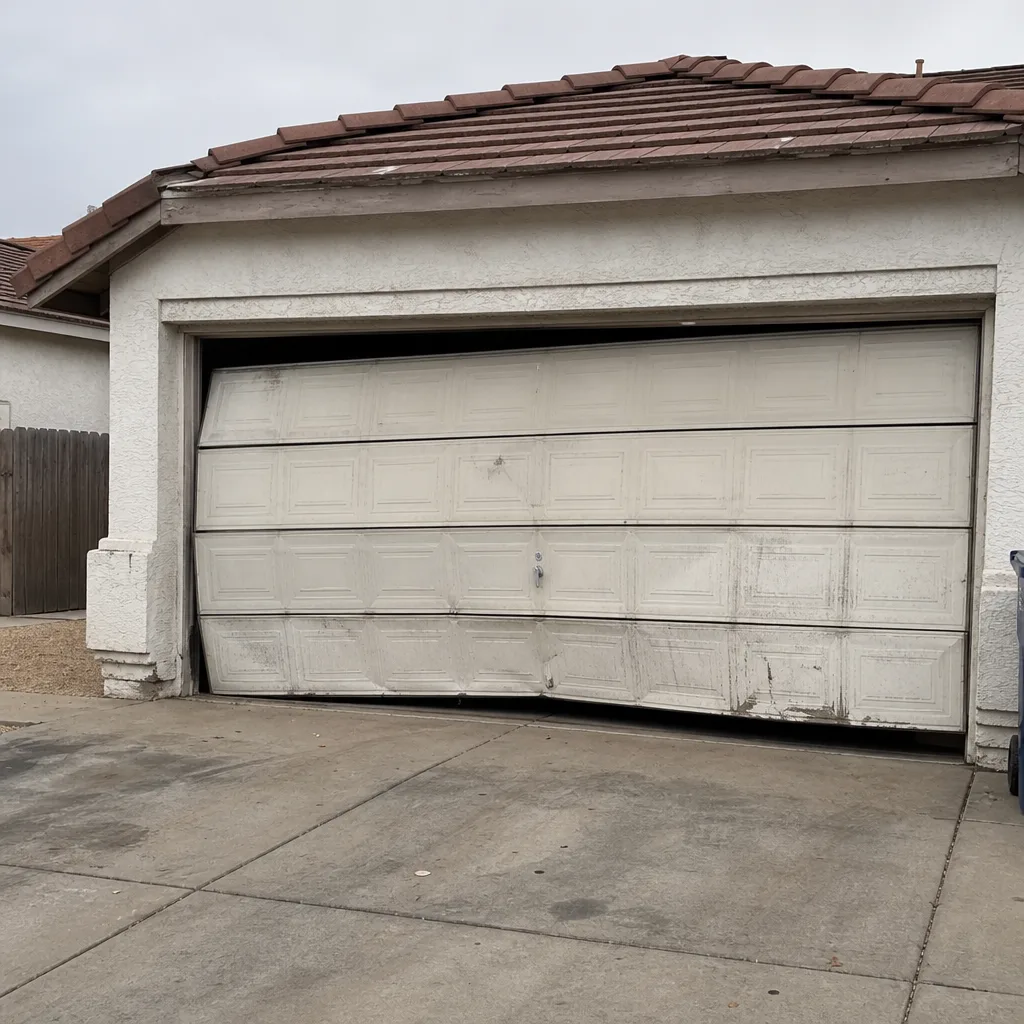 Before
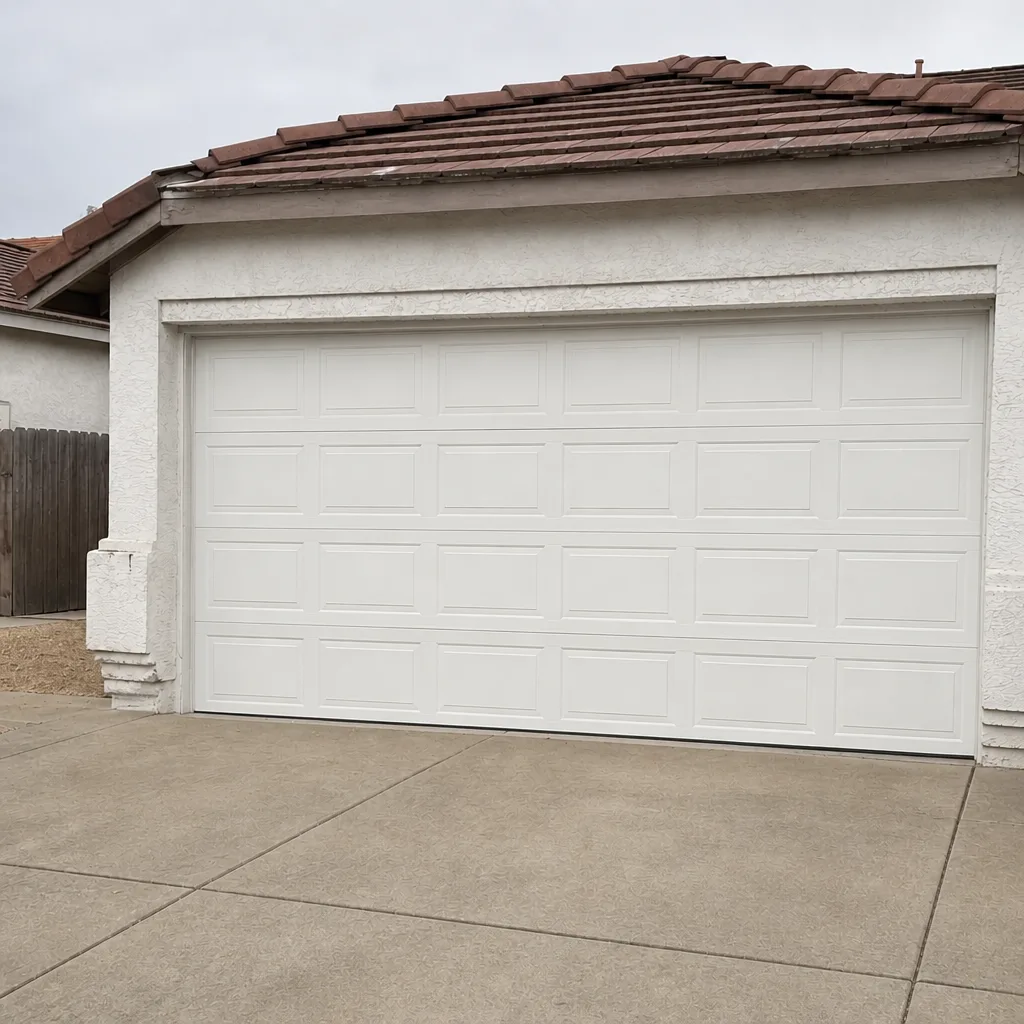 After
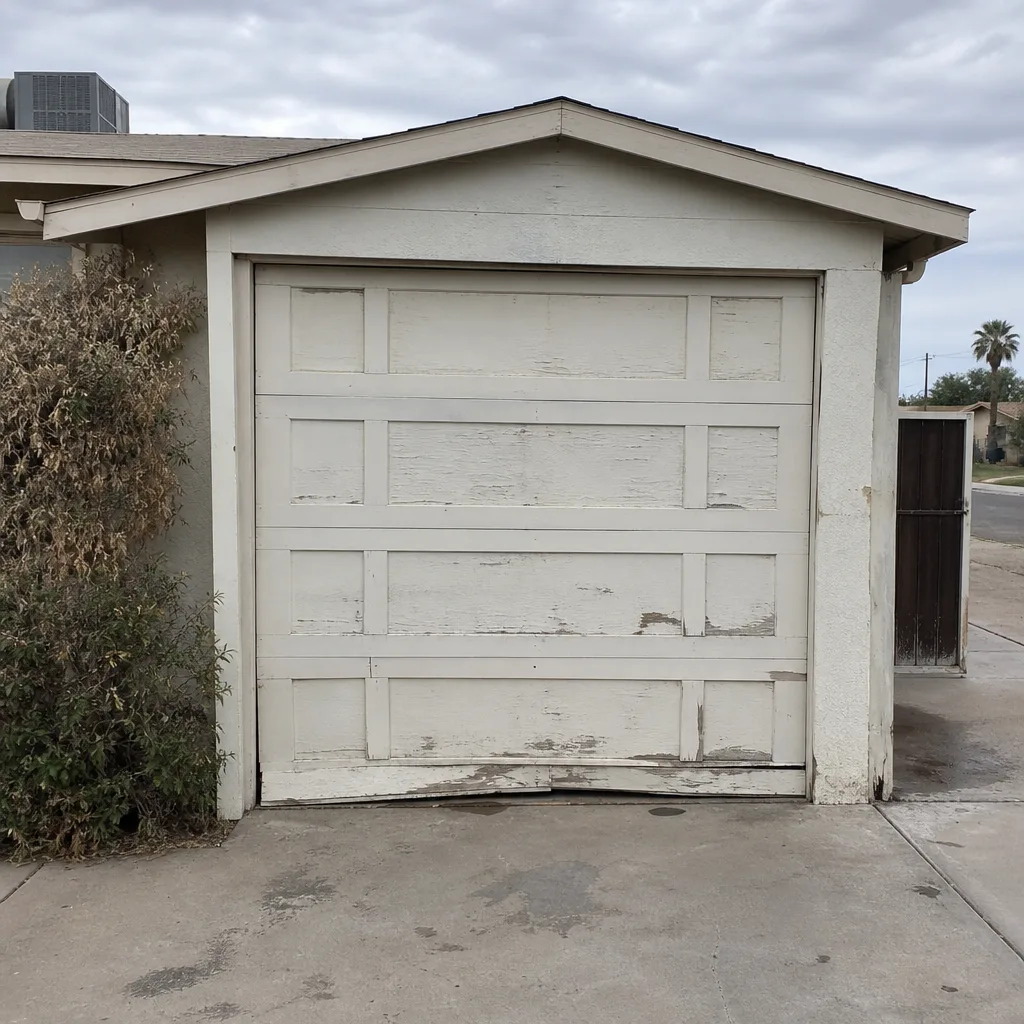 Before
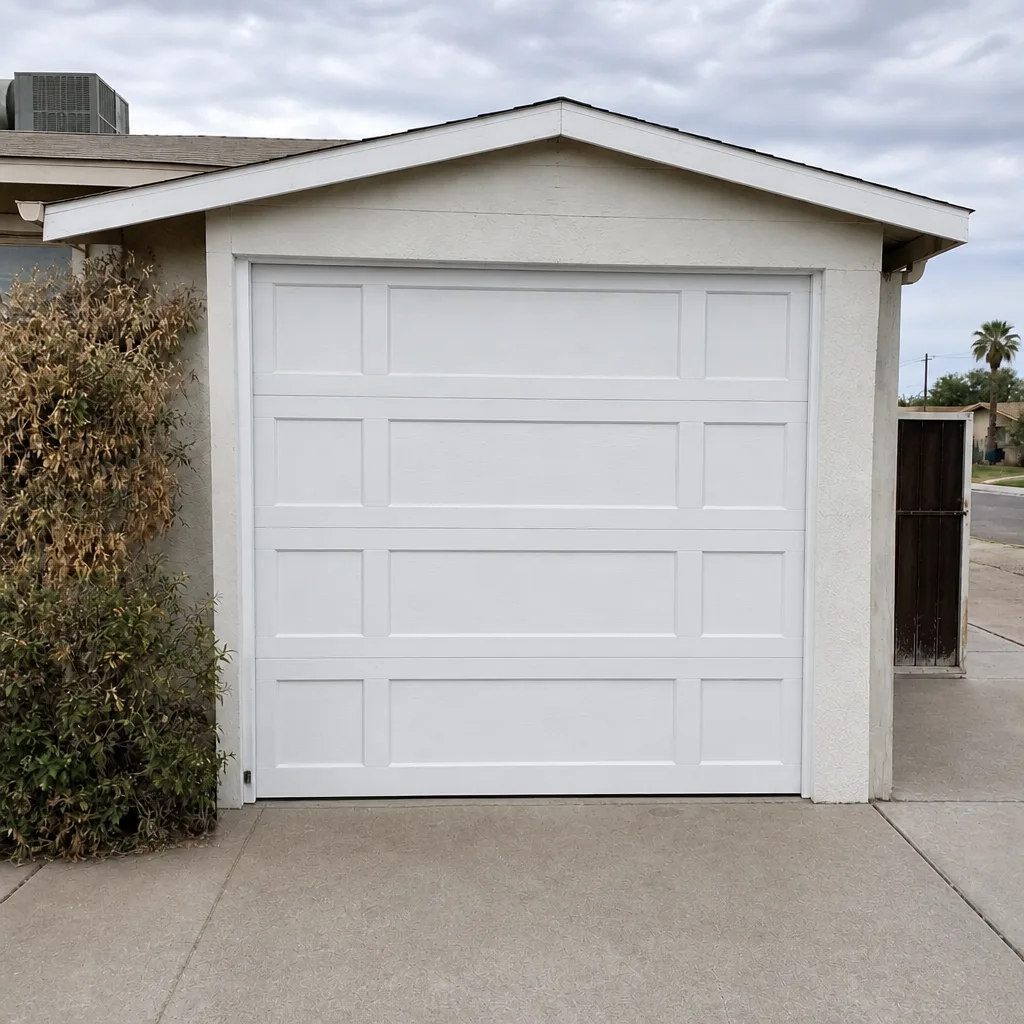 After
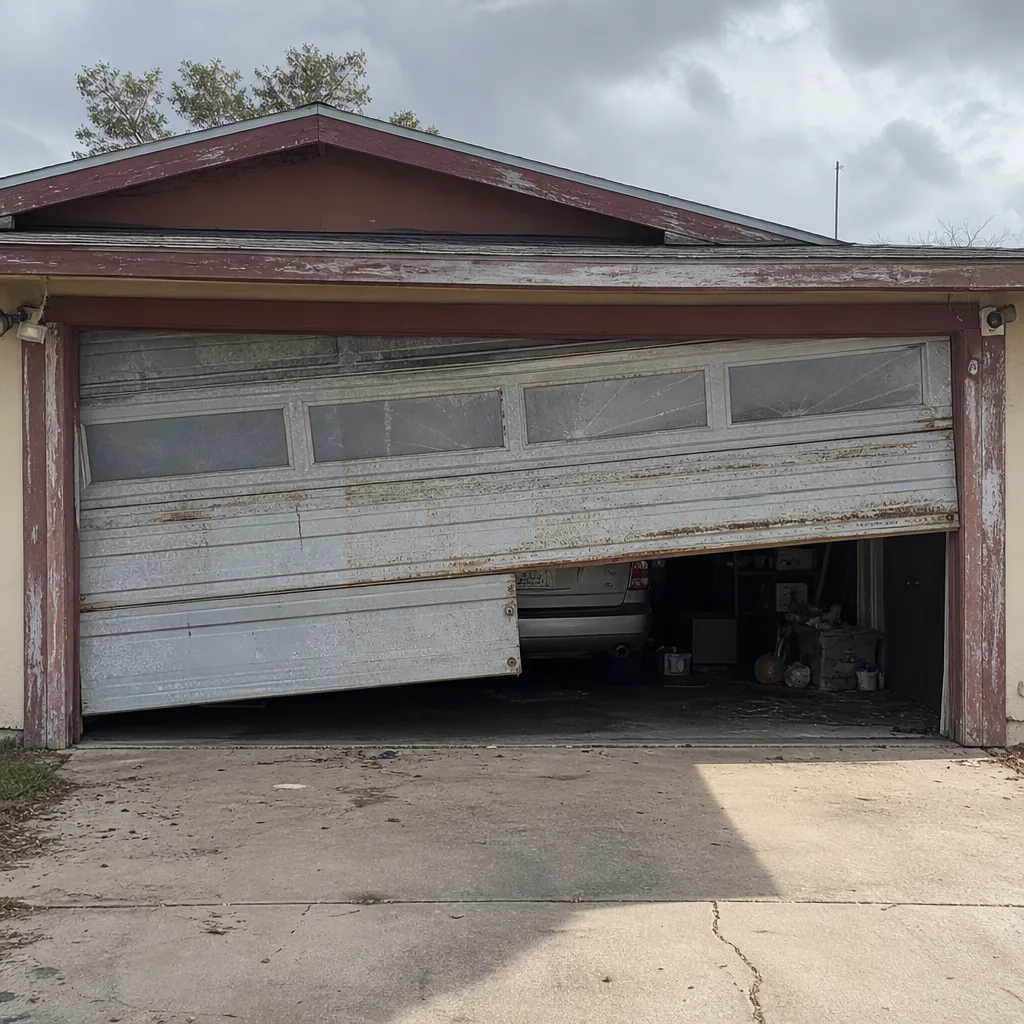 Before
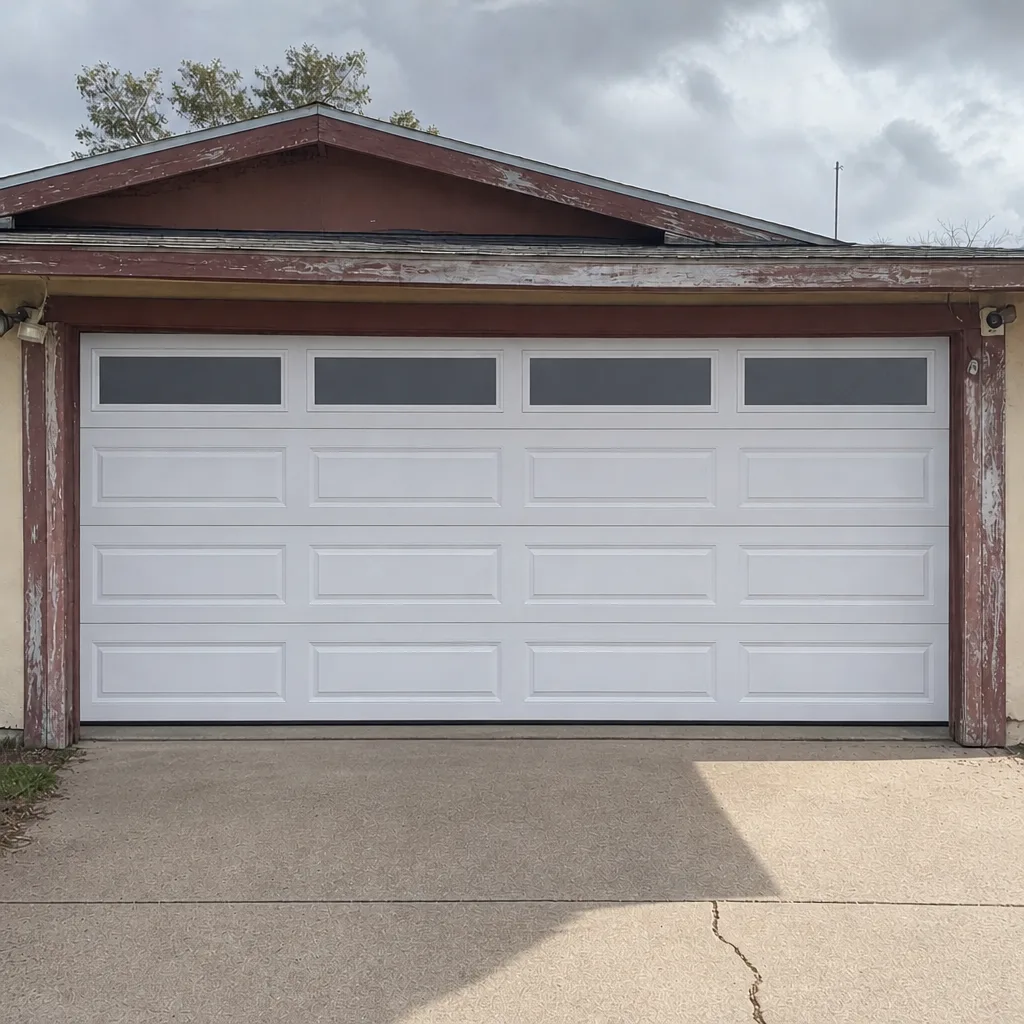 After