
Last updated November 16, 2026
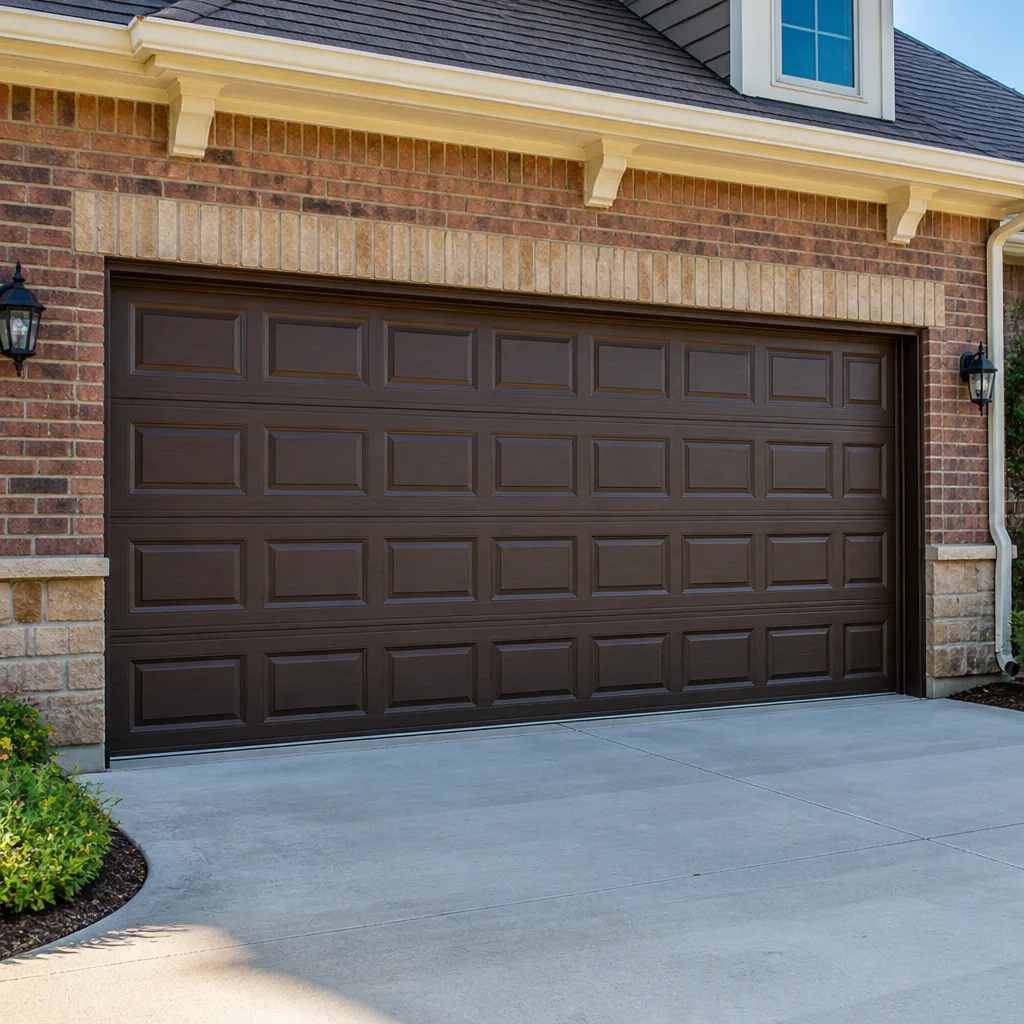 Raised-panel steel
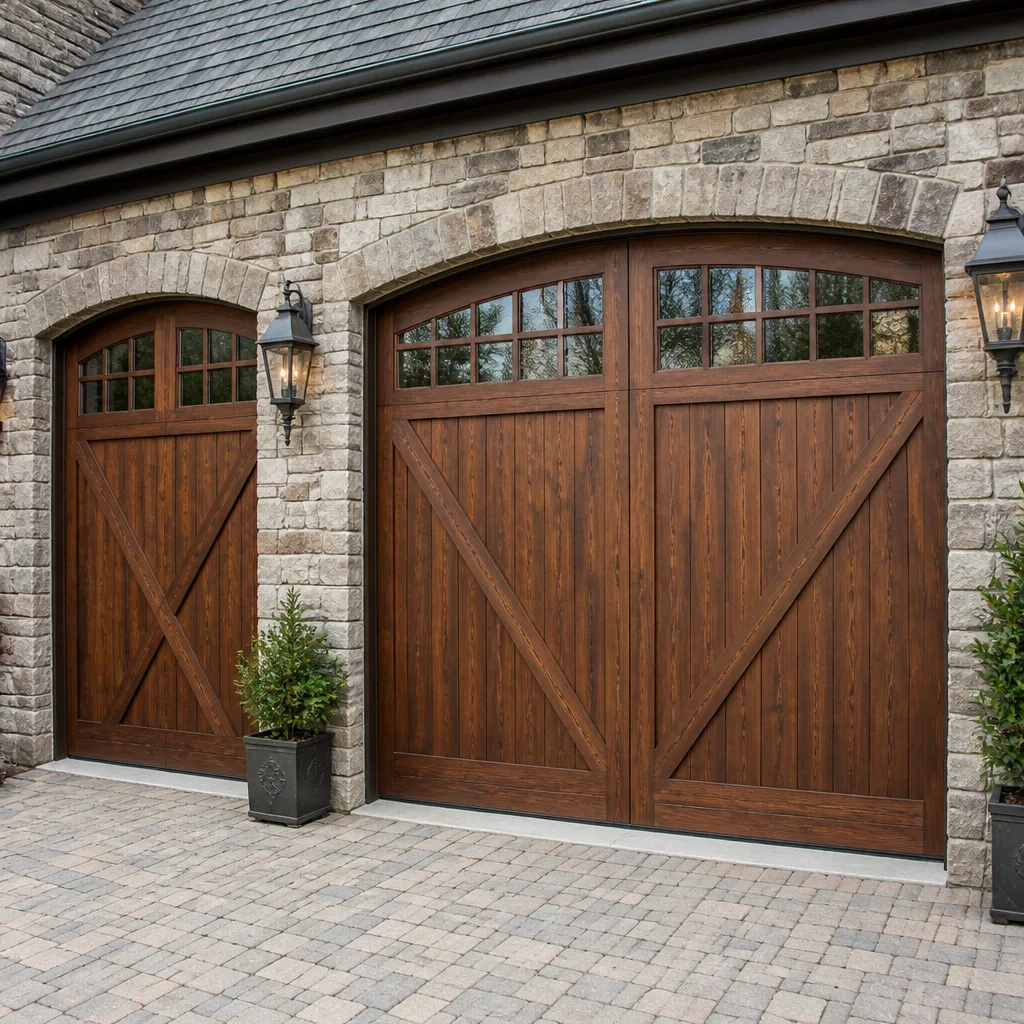 Carriage house
 Modern flush
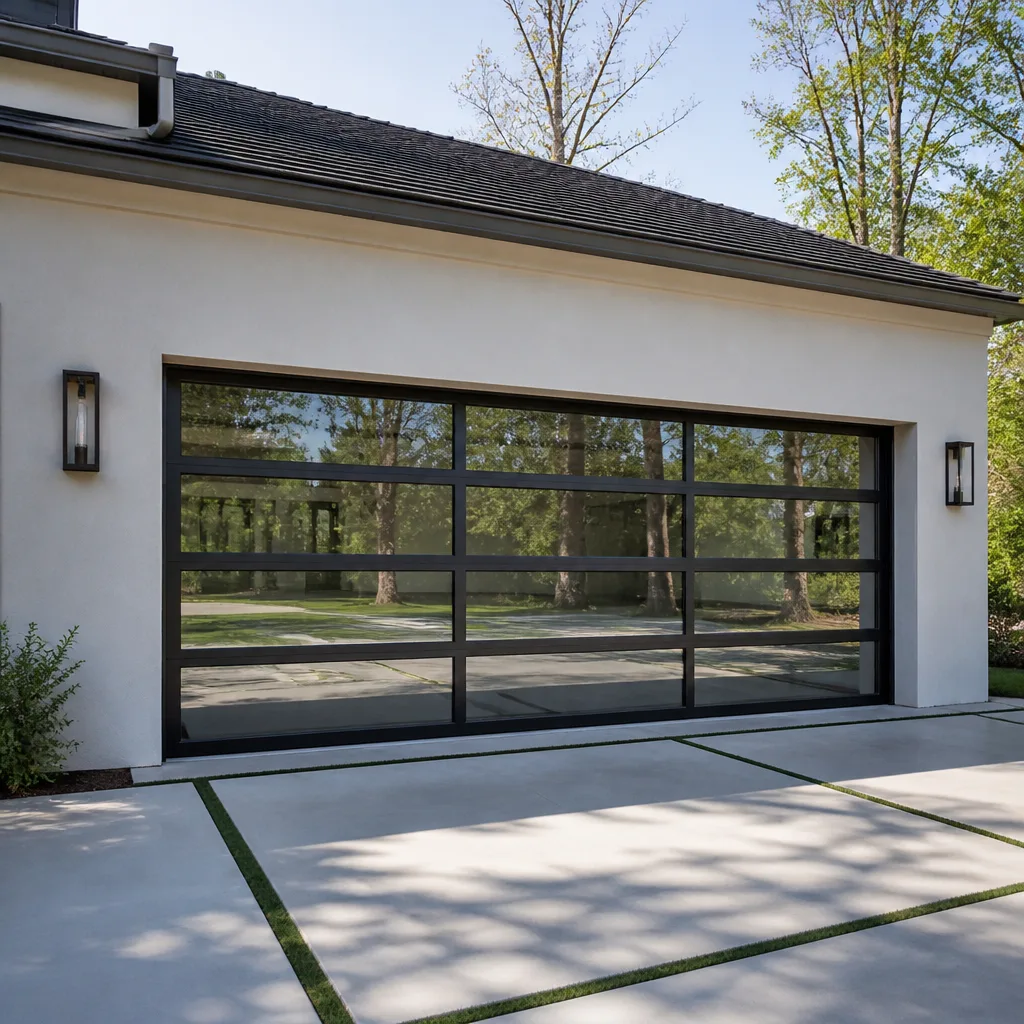 Full-view glass
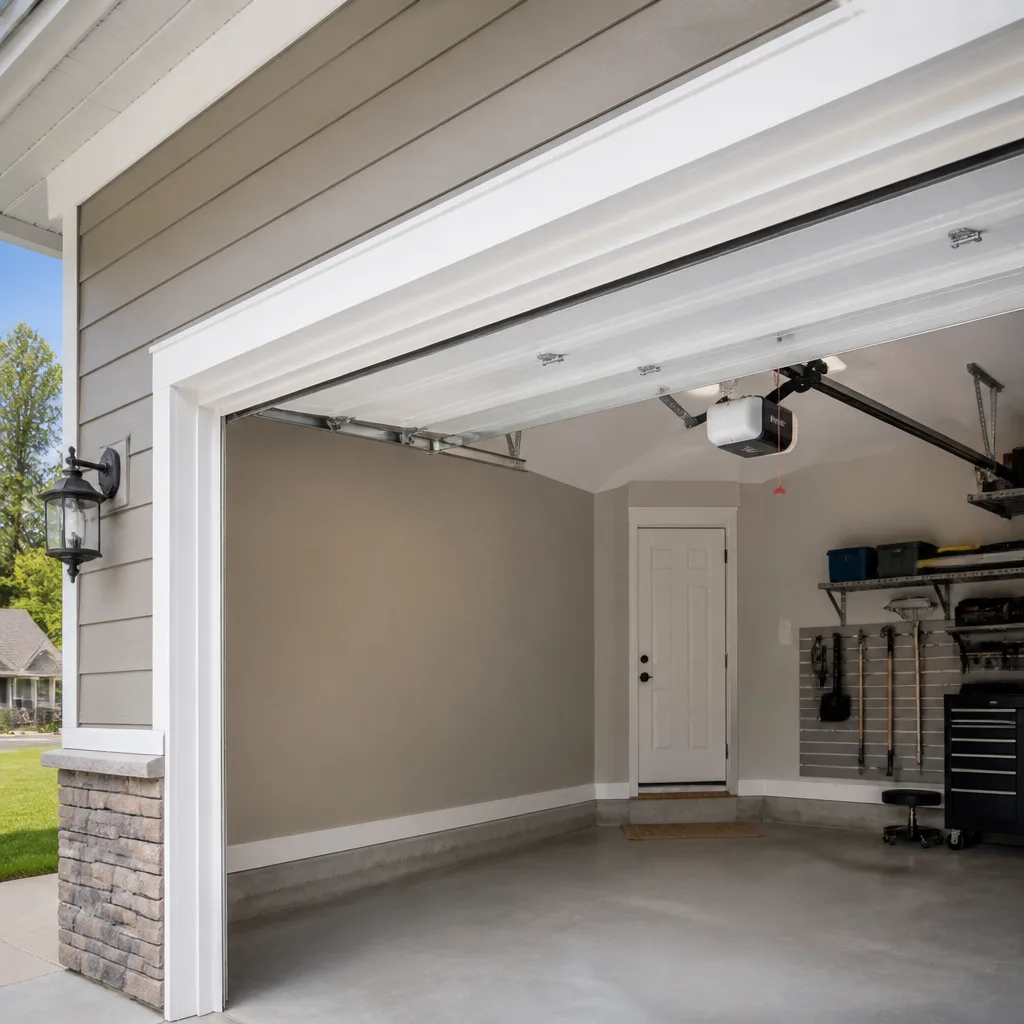 LiftMaster openers
 Chamberlain openers
Full 25-point door and opener safety check with every visit - springs, cables, rollers, tracks, and your LiftMaster or Chamberlain opener included
You get a price before we start. It does not change when the pro arrives.
Get your free estimateGarage Door Repair Maintenance Schedule: What to Do and When
The national advice to lubricate garage door springs twice a year was written for climates where winter is the main enemy. In Peoria, summer is. By the time September arrives, months of triple-digit heat have already worked on your springs, rollers, and seals, and a fall tune-up can’t undo what June and July did. This guide lays out a maintenance schedule built around Peoria’s actual stress points, not a generic four-season calendar. You’ll learn which lubricant goes on which component, how to test spring balance with a manual lift, when to expect weatherstripping to fail under Arizona sun, and how to keep a maintenance log a technician can actually use.
Quick Answer
In Peoria, a garage door needs attention three times a year: a prep check in April before the heat peaks, a full inspection in September after monsoon season, and a hardware and balance check in January. Between those visits, a monthly visual once-over and lubrication of the moving parts keeps the door quiet and the springs lasting longer. National twice-a-year advice is too little for this climate and lands at the wrong times.
Styles & brands we work with
- Raised-panel steel
- Carriage house
- Modern flush
- Full-view glass
- LiftMaster openers
- Chamberlain openers
Table of Contents
- Why Peoria’s Climate Changes the Maintenance Calendar
- April: Pre-Summer Prep Before the Heat Peaks
- September: Post-Monsoon Inspection
- January: Mid-Winter Hardware and Balance Check
- Which Lubricant Goes Where (and What Never to Use)
- The Manual Lift Test: Reading Your Spring’s Remaining Life
- Weatherstripping and Bottom Seals Under Arizona Sun
- Building a Maintenance Log That Actually Helps
Why Peoria’s Climate Changes the Maintenance Calendar
Most garage door maintenance guides are written for the Midwest and Northeast, where the primary threats are freezing temperatures and road salt. Peoria doesn’t share that timeline. Here, the door faces sustained heat for a large part of the year, intense ultraviolet exposure, and a monsoon season that drives dust and grit into every track and hinge. Each of these stresses a different part of the system.
Heat affects the torsion spring most. A steel spring under tension is always working, and prolonged high temperatures accelerate the metal fatigue that eventually causes it to break. That’s why a spring that would last many years in a cooler climate may fail sooner in Peoria. UV exposure attacks the rubber and vinyl seals, drying and cracking them faster than in milder regions. And monsoon dust, blown in by strong winds, settles in the tracks and grinds against rollers and hinges, wearing them down prematurely.
General home-service companies often treat a garage door as a side job and hand you the same national checklist they use everywhere. We’ve found that approach misses the local pattern. A maintenance schedule for Peoria needs to anticipate the heat before it arrives, inspect the wear the monsoon leaves behind, and check the hardware the dry winter air can loosen. If you’d rather have a specialist look it over, our garage door repair team works on the door and opener systems homeowners already have.
April: Pre-Summer Prep Before the Heat Peaks
April is the most important maintenance window of the year in Peoria. The goal is to catch anything marginal before the intense summer heat makes it worse. A part that’s slightly worn in April is far more likely to fail in July. Doing this work now means you’re not dealing with a broken spring when the temperature is at its highest.
Work through this checklist in order:
- Lubricate all moving parts. Apply a garage-door-specific lithium or silicone-based grease or spray to the hinges, rollers, and bearing plates. Save the spring for its own dedicated treatment, covered below.
- Inspect the springs. Look for visible gaps, rust, or a stretched appearance in the torsion spring above the door or the extension springs along the tracks. Any of these signal fatigue.
- Check the tracks for alignment. Run a level along each vertical track. Tracks should be plumb and parallel, with no dents or bends. A minor bend is enough to make the door bind.
- Test the safety reverse. Place a piece of wood flat on the floor in the door’s path and close the door. It should reverse on contact. If it doesn’t, the opener’s force limit or travel settings need adjustment.
- Examine the weatherstripping. Run your hand along the bottom seal and the perimeter weatherstripping. Look for cracks, hardening, or sections pulling away from the frame.
- Tighten loose hardware. Check the bolts and screws on the hinges, brackets, and roller stems. Vibration from daily use loosens them over time.
If any of this feels beyond a visual check, a specialist can help. Our team handles everything from garage door opener repair to spring replacement, and we work on the brand you already have. If you’re in Peoria, this April visit sets up the door for the whole summer ahead.
September: Post-Monsoon Inspection
The monsoon season brings wind, dust, and the occasional hard rain to Peoria, and the garage door takes the brunt of it. When the season winds down in September, the priority is inspecting the wear the storms leave behind. Dust works its way into every track and hinge, and the grit acts like sandpaper against rollers and moving parts. What looked clean in April may be grinding by September.
Focus your September inspection on these areas:
- Tracks and rollers: Wipe out accumulated dust and grit with a damp cloth, then dry thoroughly. Lubricate the rollers and hinges again after cleaning.
- Hinges and brackets: Check for looseness caused by the vibration and movement from wind and storm cycles. Re-tighten any loose fasteners.
- Bottom seal: Inspect for debris caught under the seal or sections warped by water exposure. Replace if it’s no longer making full contact with the floor.
- Springs and cables: Look for rust spots or visible wear. A trained professional should handle any spring or cable inspection that requires touching the component.
- Opener operation: Test the door through a full cycle and check that the opener’s lights, sensors, and travel limits are functioning. Listen for any grinding or uneven movement.
- Weatherstripping around the frame: Check for sections that have pulled loose from wind or that show accelerated cracking from sun exposure.
The September inspection is also a good time to schedule any Stellar Garage Door Service appointment if you’ve noticed the door getting louder, slower, or uneven. Catching it now, before the dry winter months, saves a bigger repair down the road. If your opener is skipping or grinding, that’s garage door opener repair territory, and we specialize in it because garage doors are all we do.
January: Mid-Winter Hardware and Balance Check
Winter in Peoria is mild compared to the rest of the country, but the dry air and temperature swings are still hard on a garage door. Wooden doors can shrink slightly in the dry cold, causing them to shift on their hinges. Metal components can loosen from the repeated expansion and contraction of daily temperature swings. January is the time to check the hardware and reassess the door’s balance.
Your January checklist:
- Check all bolts and screws: Go over every visible fastener on hinges, brackets, and the opener’s mounting points. Tighten anything loose.
- Inspect the door’s balance: Disconnect the opener and manually lift the door halfway. It should stay in place at that point. If it drifts down or feels hard to lift, the spring tension is off.
- Examine the door panels: Look for cracking, warping, or separations in wooden doors. For metal doors, check for loose panels or rattling.
- Lubricate again: Apply fresh lubricant to hinges, rollers, and hinges after the dry season. The grease you applied in September may have dried out.
- Test all safety features: Run the safety reverse test again and check the photo-eye sensors for obstructions and alignment.
- Review your log: Compare notes from April and September against what you’re seeing in January. Any part that’s degrading faster than the others deserves closer attention.
The hardware check is especially important if your door uses a garage door model with moving parts that tend to loosen, like some Wayne Dalton and Raynor systems. These brands are common in Peoria, and our team knows them well. If any step makes you uneasy, especially anything involving springs, a free estimate from the team at Stellar Garage Door Service is the safest route.
Which Lubricant Goes Where (and What Never to Use)
Lubrication is the single most misunderstood part of garage door maintenance, and in Arizona it’s where most homeowner mistakes happen. The biggest one is spraying WD-40 on the springs. WD-40 is a solvent and light lubricant, not a long-term protectant. It evaporates quickly in the heat and leaves the spring dry and vulnerable. In a climate that already stresses springs with constant heat, this mistake shortens their life.
Here’s the right product for each component:
- Torsion springs and extension springs: Use a garage-door-specific lithium grease or a silicone spray designated for springs. These stay in place under heat and provide lasting protection. Avoid WD-40, motor oil, or general-purpose household sprays.
- Rollers: Use a silicone-based lubricant on the roller stems. Don’t apply grease to the roller wheels themselves if they’re nylon, as grease can attract grit and cause wear. For steel rollers, a light grease on the stem is fine.
- Hinges and bearing plates: Apply a lithium grease or a silicone spray. A garage-door lubricant that stays put in heat is best.
- Tracks: Use a silicone spray and wipe away excess. Do not use heavy grease inside the tracks, as it collects dust and grit.
- Opener chain or belt (if accessible and manufacturer-specified): Follow the opener manufacturer’s recommendation. Some LiftMaster and Craftsman chains need specific lubrication, and others are designed to run dry.
A common shortcut is using whatever’s already in the garage, like three-in-one oil or cooking spray. Neither holds up in Peoria’s heat. The right product costs little and lasts far longer. Our technicians have up to 8 years of experience with these components, and if you’re unsure which lubricant your specific brand calls for, we can advise you.
The Manual Lift Test: Reading Your Spring’s Remaining Life
The manual lift test is one of the most useful checks a homeowner can perform, and it tells you more about your spring’s remaining life than a visual inspection alone. It’s also one of the simplest. You don’t need special tools, just a few minutes and a willingness to test carefully.
Here’s how it works:
- Disconnect the opener. Pull the emergency release cord to separate the door from the opener. The door should now move freely by hand.
- Lift the door halfway. Raise the door to roughly the halfway point, about waist height.
- Let go and observe. The door should stay in place. A door that stays put has balanced spring tension.
- Interpret the result. If the door slides down, the spring has lost tension and is fatigued. If it drifts up or feels heavier than it should, the tension may be too high or the spring is binding.
- Reconnect the opener by pushing the door back to its fully closed position, which re-engages the release mechanism.
The result tells you about remaining spring life. A door that won’t hold at halfway is a door whose spring is near the end of its usefulness. In Peoria’s heat, that matters more than in milder climates because springs degrade faster under sustained high temperatures. If the test shows a problem, do not try to adjust the spring yourself. Torsion springs are under extreme tension, and the wrong move can cause serious injury. A trained specialist should handle adjustments or replacement.
If the manual lift shows a balance issue, the safest next step is to call for an inspection. Our garage door repair team works with all the major brands and can tell you whether the spring needs adjustment or replacement. If your opener is the source of the imbalance, we also handle garage door opener repair.
Weatherstripping and Bottom Seals Under Arizona Sun
Weatherstripping and bottom seals don’t last as long in Peoria as national guides suggest. The UV intensity here breaks down rubber and vinyl far faster than in cooler climates, and the high temperatures cause the material to harden and crack. A national guide might tell you to replace the bottom seal every five years. In Peoria, many homeowners find they need it sooner, and it’s the one part of the door that shows its age most dramatically under the sun.
What to watch for:
- Hard, brittle material: Run your fingers along the bottom seal. If it feels stiff and doesn’t spring back, it’s past its useful life.
- Visible cracks and gaps: Look for splits along the seal’s surface, especially on the south-facing side of the door, where sun exposure is highest.
- Sections pulling away from the frame: The perimeter weatherstripping can detach as UV breaks down the adhesive or fasteners over time.
- Gaps at the floor: Close the door and look for light coming under it. Any visible gap means the seal isn’t making full contact.
- Pest and draft intrusion: A worn seal lets in dust, drafts, and insects, which is a sign it needs replacing.
In our experience in Peoria, a bottom seal that’s showing cracks from the previous summer is a clear signal to replace it before the next season. The right replacement interval is a judgment call based on what you see. Call (833) 620-5171 for a free estimate, and a technician can tell you whether your seal needs replacing or whether a less-expensive fix will do. Replacing a seal is a quick job that restores a tight seal across the whole door.
Building a Maintenance Log That Actually Helps
A maintenance log matters because it turns a series of one-time checks into a history. Without a log, a technician only sees the problem in front of them. With one, they can spot degradation trends and predict which parts are likely to fail next. This is where a Peoria-specific schedule pays off. You’re not just recording “spring checked” each visit. You’re tracking how each part is aging under this climate’s specific stress.
What to record each time:
- Date and season: April, September, January, plus any additional checks.
- Condition of springs: Note rust, gaps, stretching, and how the balance test went (held halfway, drifted down, felt heavy).
- Lubrication applied: Which components, which product, and how much.
- Hardware tightened: Note any fasteners that needed re-torquing.
- Weatherstripping and seals: Condition, cracks, gaps, whether replaced.
- Opener behavior: Any changes in speed, noise, or operation.
- Safety tests: Results of the reverse test and sensor check.
A simple notebook works, kept somewhere near the door. The value is in the comparison. If you see the spring condition declining faster than expected, that’s a signal to have a specialist look at it sooner. A log also helps when you sell the home, showing you’ve kept up with maintenance. If you’d rather have a technician maintain the log on a professional visit, our team can start one for you.
Common Mistakes to Avoid
- Spraying WD-40 on the springs. It’s the most common homeowner mistake in Arizona. WD-40 evaporates quickly in the heat and leaves the spring unprotected. Use a dedicated garage-door lithium or silicone lubricant instead.
- Following national twice-a-year advice. A spring that’s fine under a cooler climate may fail under Peoria’s heat. Three checkpoints before, after, and during the local stress periods is the right rhythm.
- Ignoring tracks during monsoon season. Dust and grit work their way into the tracks and grind down rollers. Wipe the tracks in September and re-lubricate, or wear accelerates.
- Using grease in the tracks. Heavy grease collects grit and worsens wear. Use a silicone spray and wipe away any excess.
- Adjusting the spring yourself. Torsion springs are under extreme tension, and a wrong move can cause serious injury. A trained professional should handle any adjustment or replacement.
- Overlooking weatherstripping until it fails. UV exposure breaks down rubber and vinyl faster in Peoria than national guides assume. Check the bottom seal each season, not once every several years.
- Keeping no maintenance record. Without a log, a technician only sees the snapshot in front of them. A simple log lets them spot trends and predict the next failure before it happens.
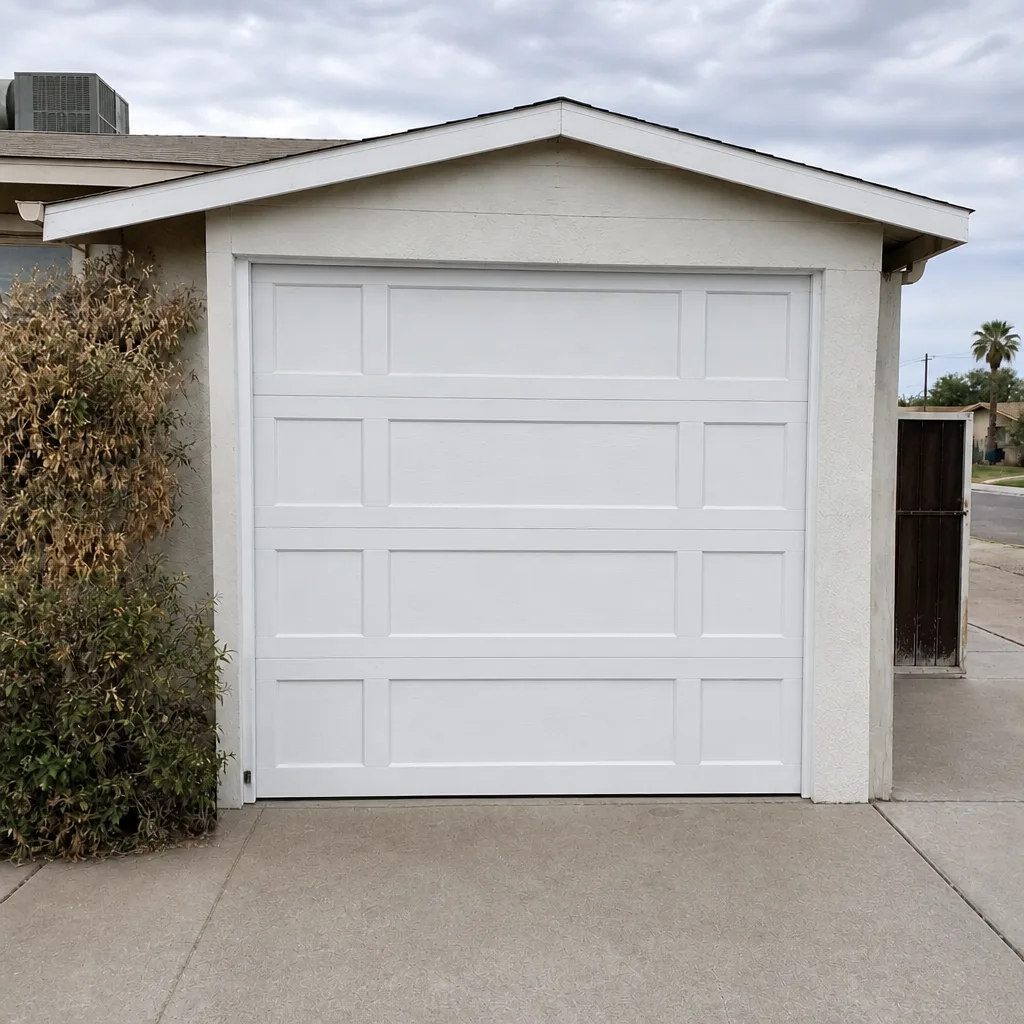
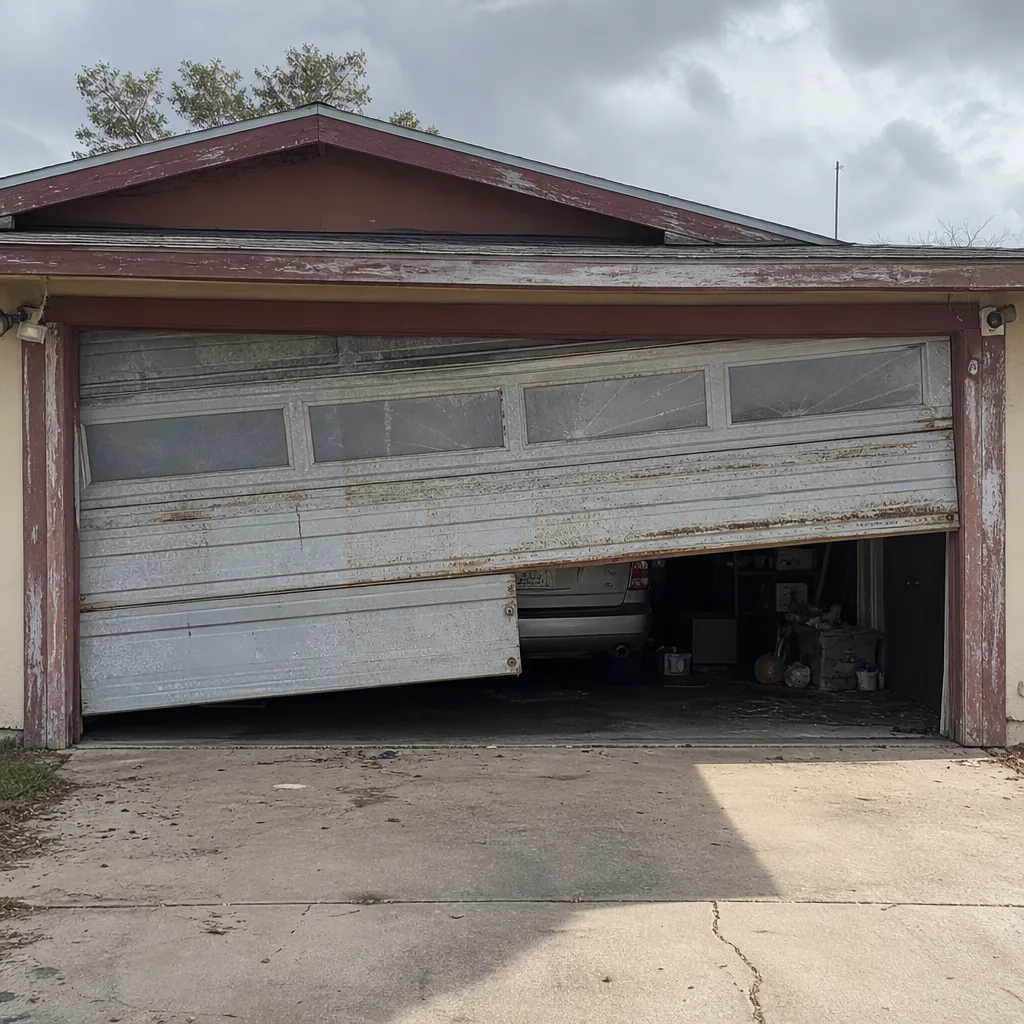
See the difference
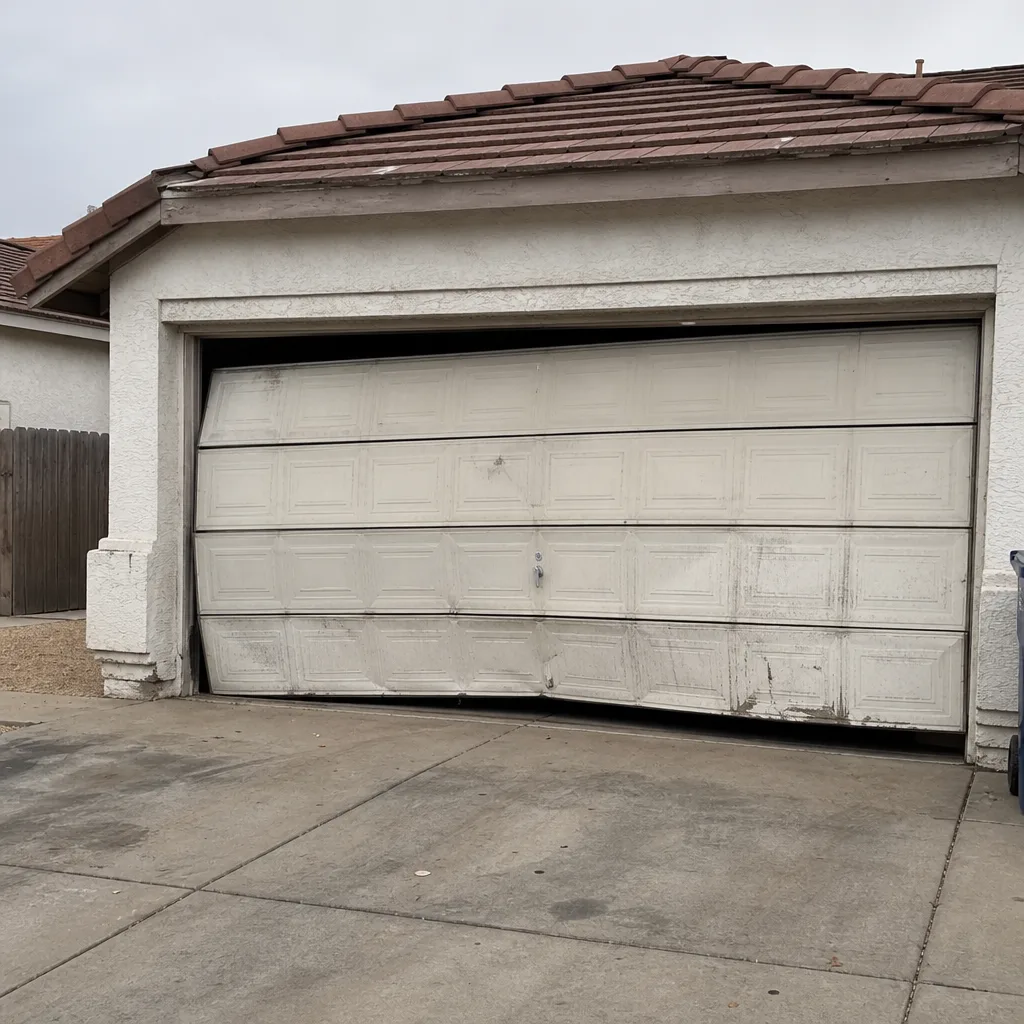 Before
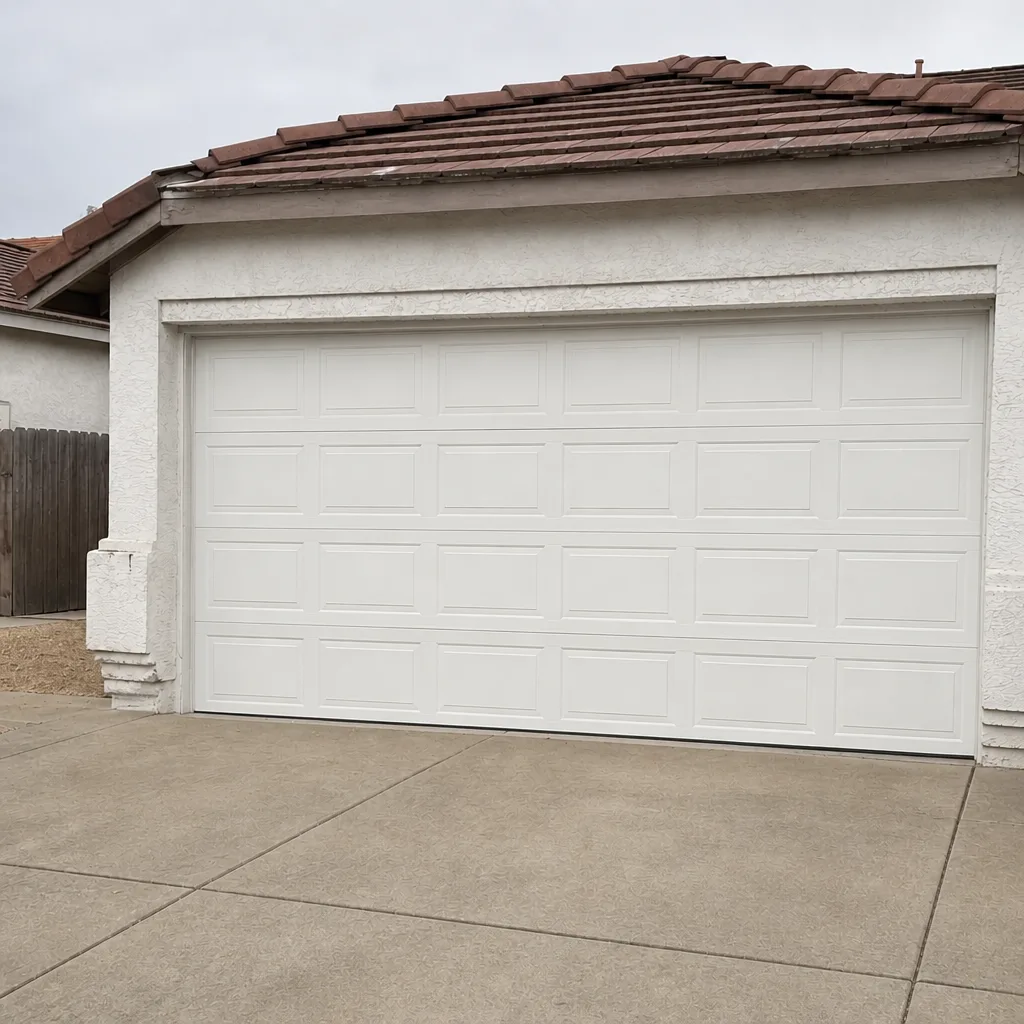 After
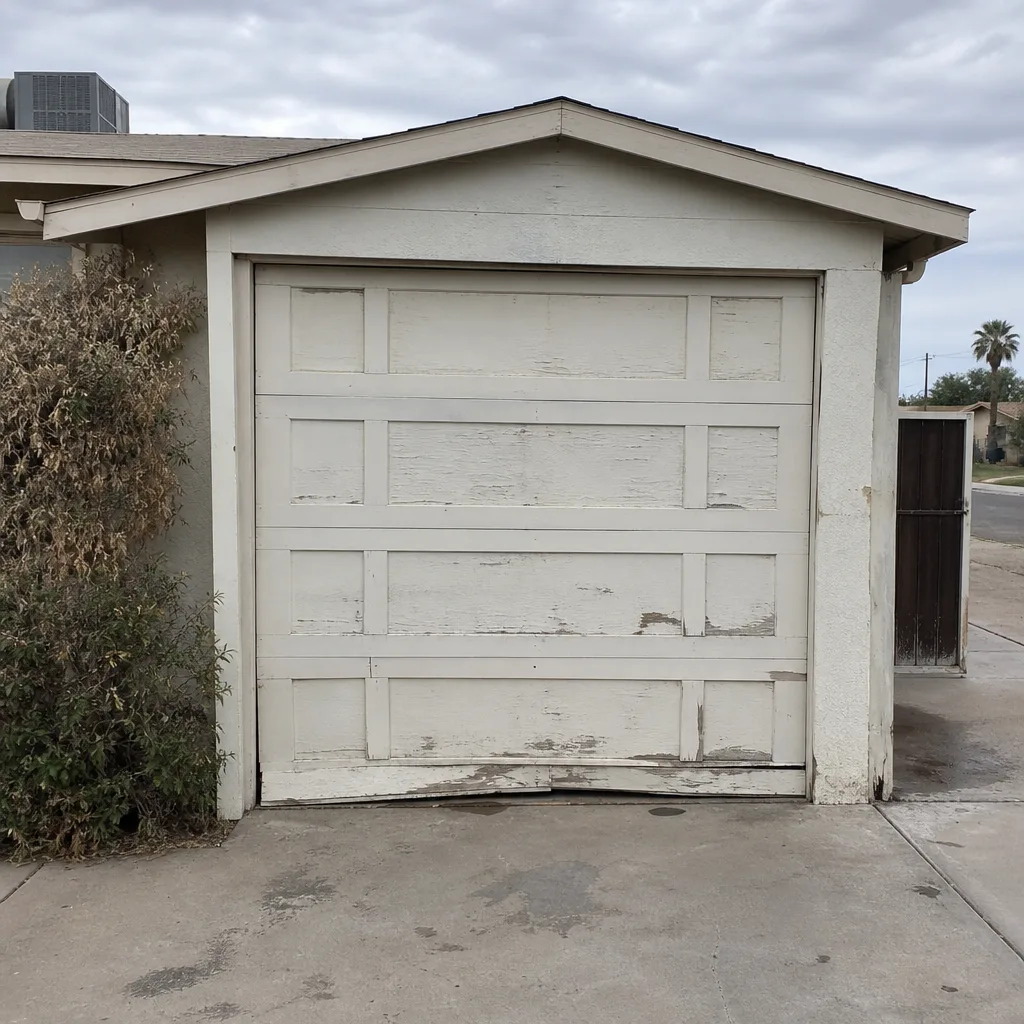 Before
 After
 Before
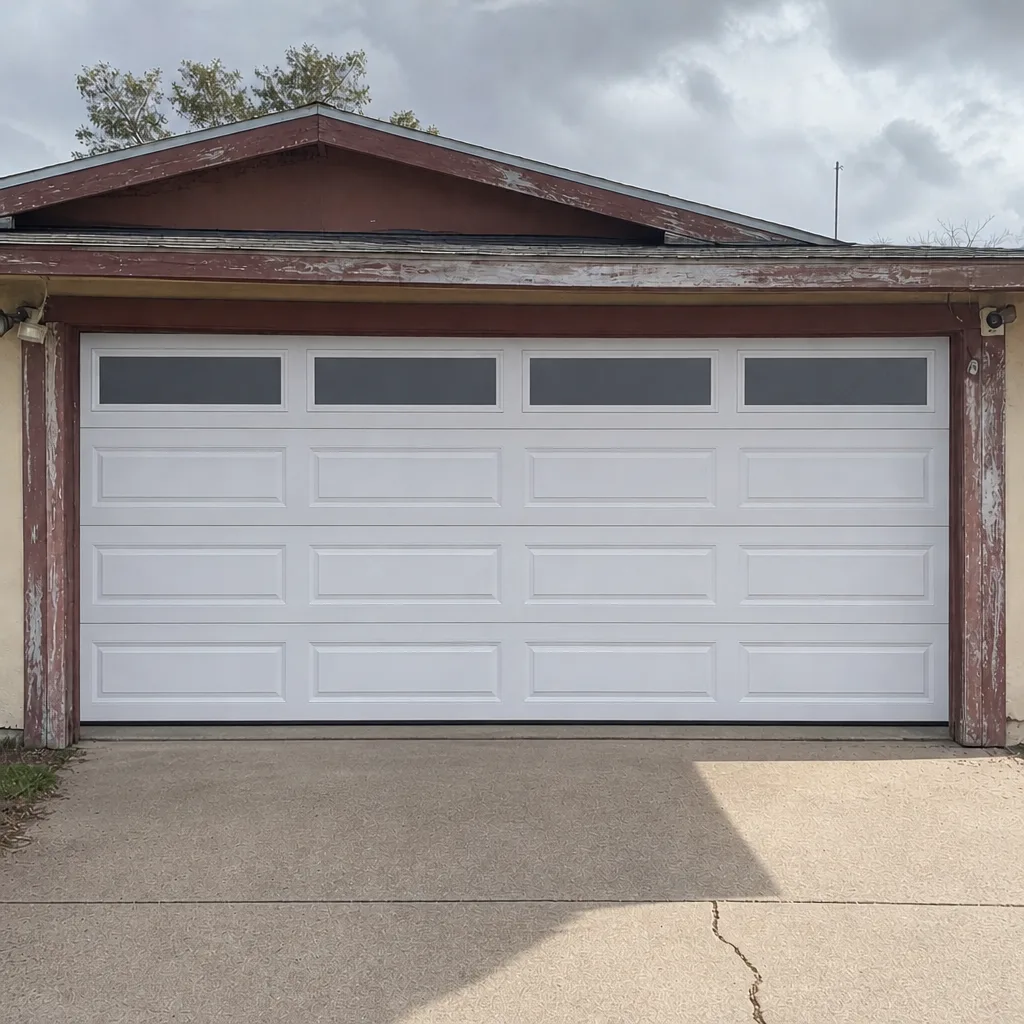 After
When to Call a Professional
Some garage door work is fine for a homeowner: wiping out tracks, applying lubricant, visual checks, and the manual balance test. But certain situations call for a specialist. Call a professional when the manual lift test shows a balance problem, when a spring shows visible gaps or rust, when the door won’t open or close evenly, when the opener grinds or skips, or when you hear a loud snap. Spring and cable work is the most dangerous part of the job, and it’s not a DIY task.
Stellar Garage Door Service offers free estimates in Peoria. We handle repair, garage door opener repair, and full installation, and we work on the brand you already have, from LiftMaster to Wayne Dalton. We’re a garage-door-only specialist, so every technician, tool, and part is specific to this trade. Call (833) 620-5171. We answer 24/7. Fast dispatch from 7am to 7pm, Sunday through Friday.
Frequently Asked Questions
Three times a year is the right schedule for Peoria: an April pre-summer check, a September post-monsoon inspection, and a January hardware and balance check. Between those visits, a monthly visual once-over and lubrication of moving parts keeps the door running smoothly. National twice-a-year advice is too little for this climate because the heat and monsoon dust accelerate wear.
Use a garage-door-specific lithium grease or silicone spray on springs, and never WD-40. WD-40 is a solvent and light lubricant that evaporates quickly in the heat, leaving the spring dry. Apply the correct product to the springs each season, and save general-purpose household sprays for something else.
Run the manual lift test: disconnect the opener, lift the door halfway, and let go. If the door stays in place, the spring is balanced. If it slides down, the spring has lost tension and is near the end of its useful life. Visible gaps, rust, or a stretched appearance also signal fatigue. In Peoria’s heat, springs degrade faster than in cooler climates, so test each season.
Check the bottom seal and perimeter weatherstripping each season, and replace them when they show cracks, hardening, or gaps at the floor. UV exposure in Peoria breaks down rubber and vinyl faster than in cooler climates, so you may need to replace them sooner than a national guide suggests. A hard, stiff seal or visible light under the closed door are clear signals.
No. Torsion springs are under extreme tension, and an improper adjustment can cause serious injury. A trained professional should handle any spring adjustment or replacement. If your balance test shows a problem, call a specialist rather than attempting the adjustment yourself.
April is the most important month because it’s your chance to catch problems before the summer heat peaks. September is the post-monsoon inspection, and January is the mid-winter hardware check. Scheduling maintenance in April gives you the most protection for the months that stress the door most.
Yes, we service all eight of the major brands, including LiftMaster, Chamberlain, Clopay, Amarr, Wayne Dalton, Craftsman, and Raynor. We work on the brand you already have, so you’re never pushed toward an unnecessary replacement because a technician is unfamiliar with your equipment. Call (833) 620-5171 for a free estimate.
The Bottom Line
Peoria’s climate doesn’t follow the national maintenance calendar, and neither should your garage door schedule. The heat is the primary stress, the monsoon is the secondary one, and the right checkpoints are April, September, and January. Use the right lubricants, run the manual lift test each season, inspect the weatherstripping for UV damage, and keep a log that lets a technician see trends. Most of this is simple work. The spring and cable jobs are not, and those belong to a specialist. Our technicians have up to 8 years of experience, and we’re available for a free estimate whenever you need one. Call (833) 620-5171. We answer 24/7. Fast dispatch from 7am to 7pm, Sunday through Friday.
Written by the team at Stellar Garage Door Service.