
Last updated November 16, 2026
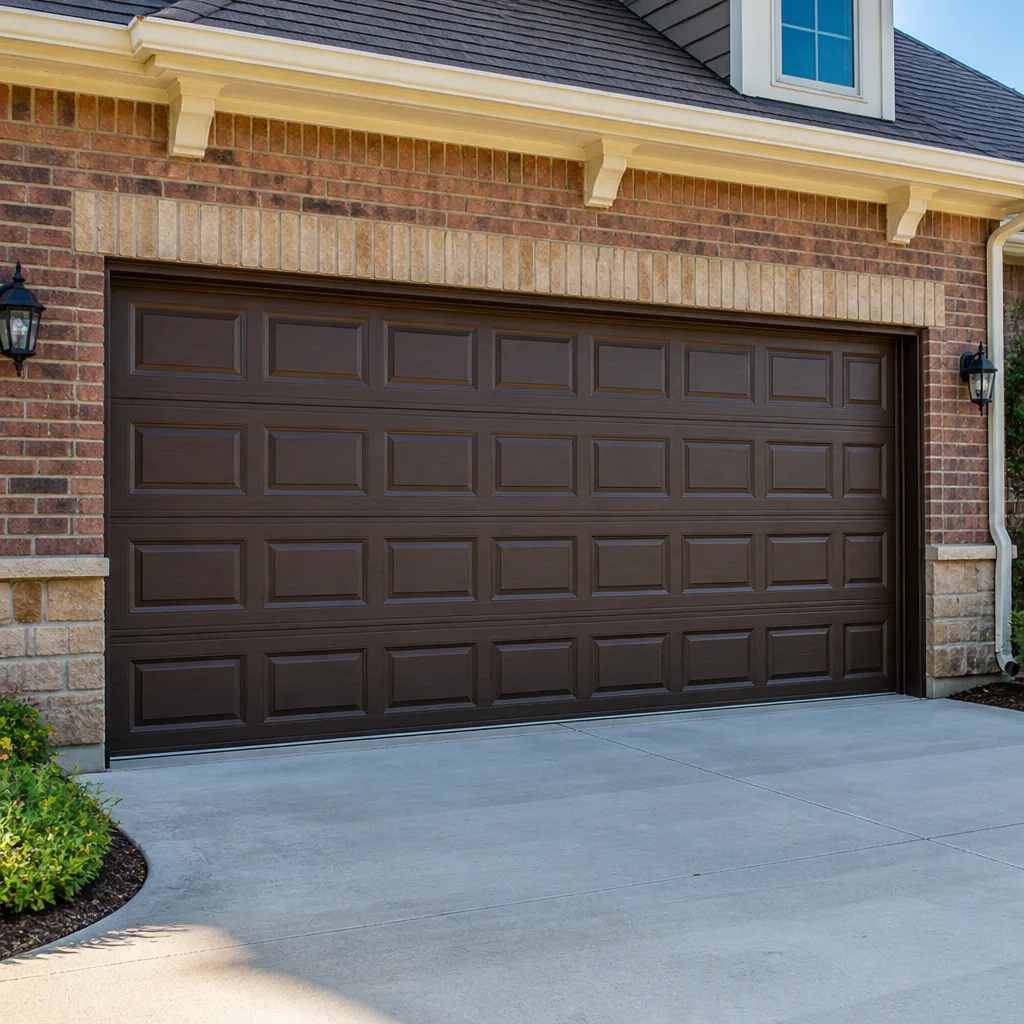 Raised-panel steel
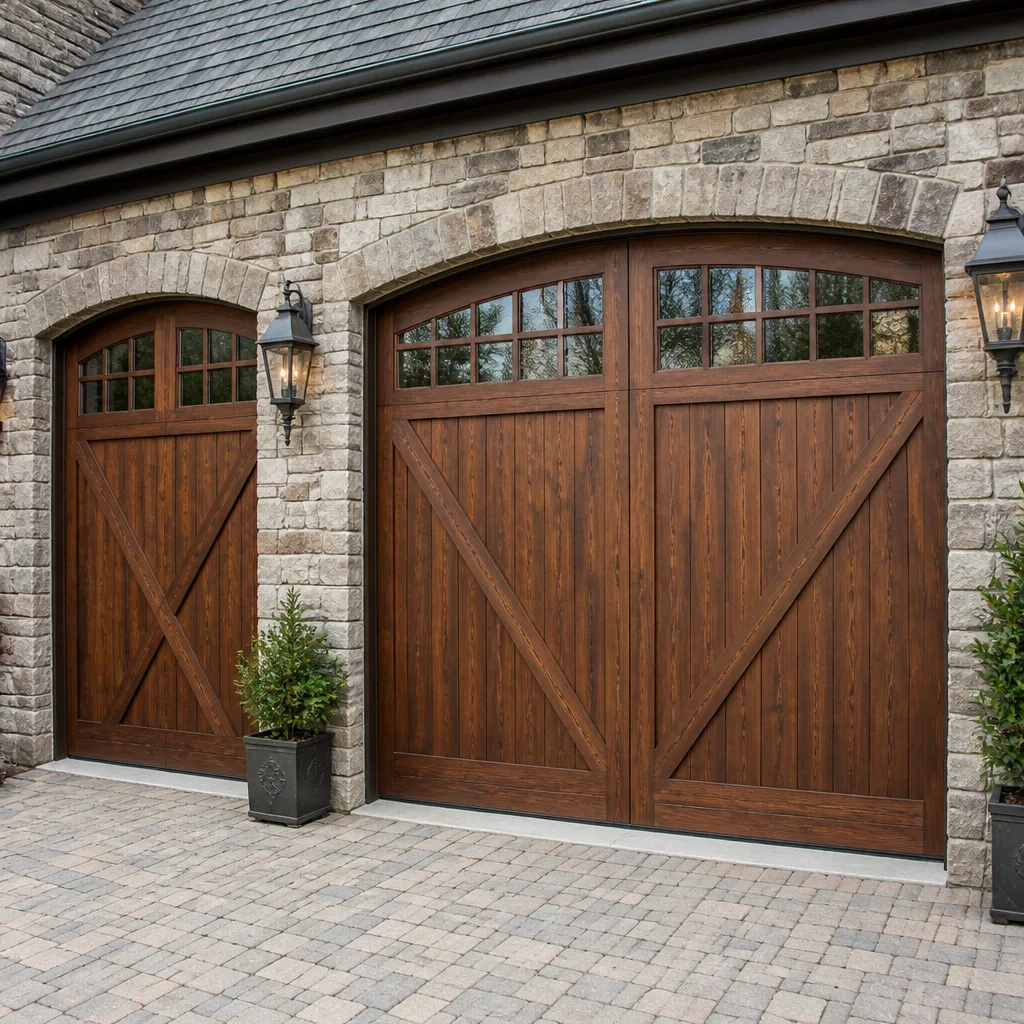 Carriage house
 Modern flush
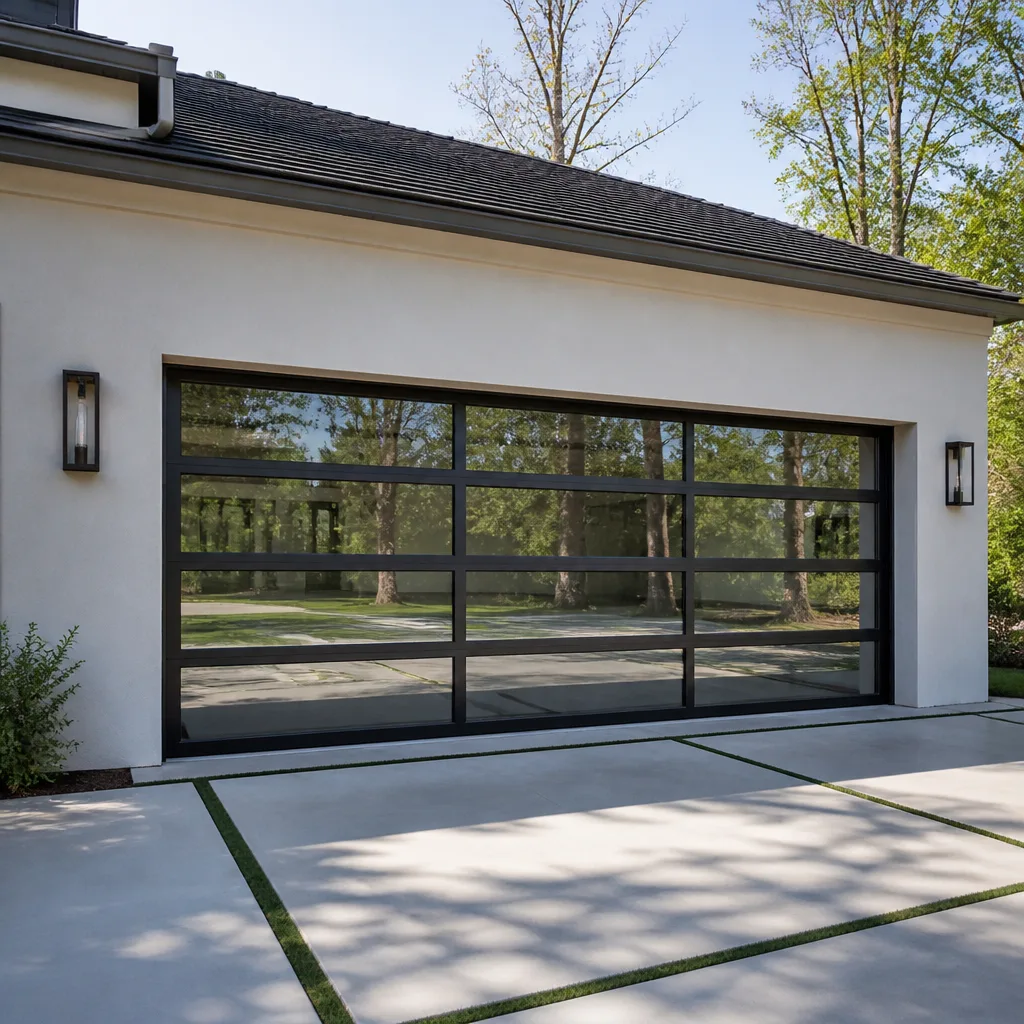 Full-view glass
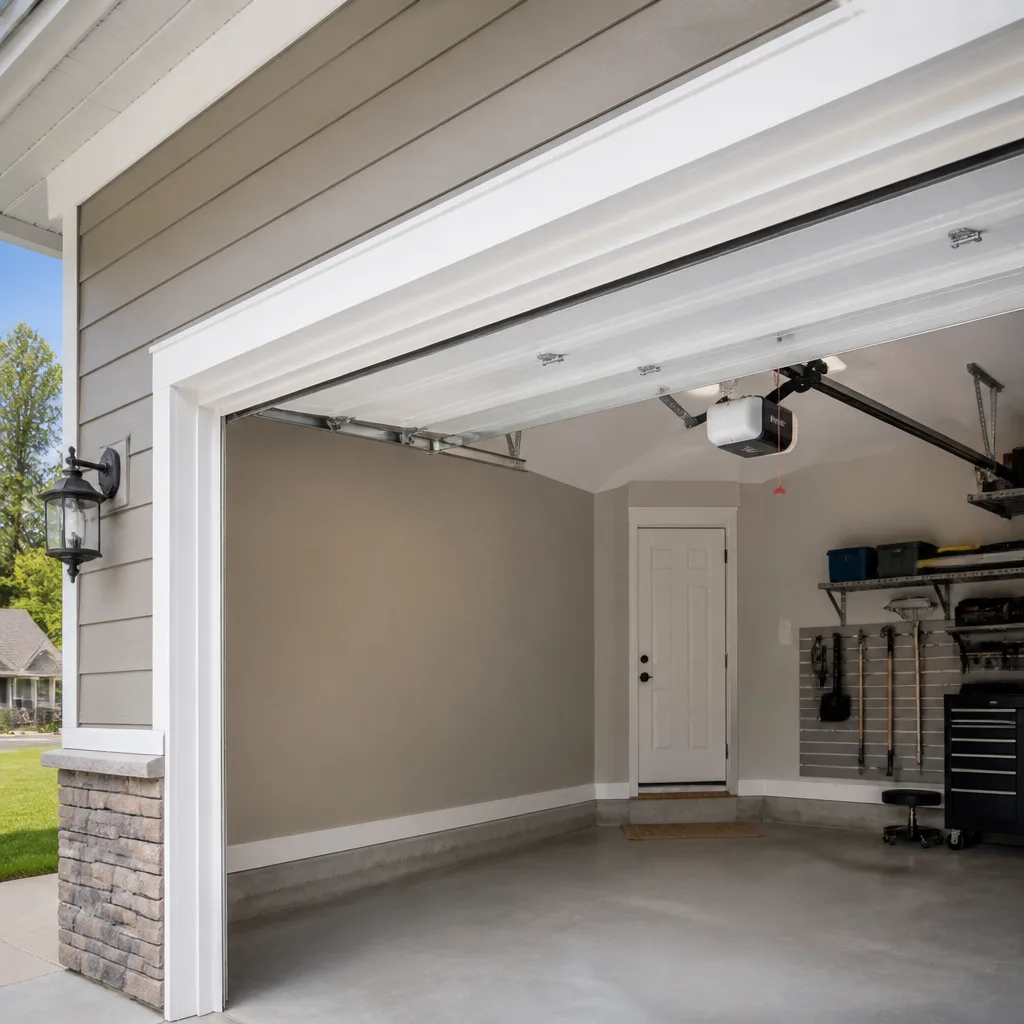 LiftMaster openers
 Chamberlain openers
Full 25-point door and opener safety check with every visit - springs, cables, rollers, tracks, and your LiftMaster or Chamberlain opener included
You get a price before we start. It does not change when the pro arrives.
Get your free estimateGarage Door Permits, Codes & Inspections in Peoria, AZ: What You Need to Know
Most Peoria homeowners assume a garage door is a garage door, and that swapping one out is no more complicated than replacing a mailbox. Here’s the part that surprises people: some garage door projects in Peoria need a city permit and some don’t, and the difference usually isn’t the door itself. It’s what the door hangs from, and what powers it.
This guide breaks down when Peoria’s permitting rules apply, how the city’s process actually works step by step, where Arizona’s “like-for-like replacement” idea gets misapplied, how HOA covenants in Peoria’s master-planned communities layer on top of city code, and what happens at resale when unpermitted garage work surfaces. If you’ve ever wondered whether your door job needs paperwork, this is for you.
Quick Answer
A garage door permit in Peoria, AZ is generally required when a project changes the structure of the opening, the header, the framing, or adds or moves an electrical circuit for an opener. A straight like-for-like replacement of a door and opener in the same opening, with no structural or electrical changes, is typically treated as exempt. When in doubt, call the City of Peoria’s building department and describe the job exactly; that one phone call settles most of it.
Styles & brands we work with
- Raised-panel steel
- Carriage house
- Modern flush
- Full-view glass
- LiftMaster openers
- Chamberlain openers
Table of Contents
- When does a garage door project need a permit in Peoria?
- How does the City of Peoria permit process work in practice?
- What does “like-for-like replacement” really mean in Arizona?
- How do HOA covenants in Peoria stack on top of city code?
- What does a garage door inspection actually look like?
- What happens at resale if garage work was never permitted?
- Does the Peoria climate affect code compliance or door choice?
- Does brand choice affect permitting or inspection?
When does a garage door project need a permit in Peoria?
A garage door permit in Peoria is triggered by structural or electrical change, not by the act of replacing a door. That’s the short version, and it’s the one most homeowners never hear because nobody asks the question until closing day.
Here’s how the line usually falls:
- Typically exempt: Replacing a door with the same size door in the same opening, with no changes to the header, jambs, framing, or tracks. Swapping a worn opener for a new one on an existing circuit. Replacing springs, cables, rollers, hinges, and panels.
- Typically requires a permit: Widening or heightening the opening. Modifying or replacing the header beam. Adding framing because a heavier door needs more support. Adding a new electrical circuit or outlet for an opener where none existed. Converting a garage to living space or altering the wall between garage and house.
- Always worth a call: A door that’s significantly heavier than the one it replaces, a change in door type (sectional to roll-up, for instance), or anything that touches the wall structure between the garage and the house.
Peoria’s building department is the authority here, and the rules live in the city’s adopted building code and municipal ordinances. We’re not going to hand you a code section number, because adoptions and amendments shift and the city is the source of truth. What we can tell you is the pattern: if the work is structural or electrical, it’s a permit job. If it’s a swap in kind, it usually isn’t.
The reason this matters in Peoria specifically is the housing mix. This city has a large share of homes built across several decades, from older single-story ranch layouts to newer construction in the master-planned communities on the north side. Older openings sometimes aren’t sized for modern doors, and a “simple replacement” quietly becomes a framing job. That’s the moment the permit question goes from theoretical to real.
If you’re weighing repair against replacement, it helps to understand what’s actually involved before you decide. Our garage door repair page walks through what a repair typically covers and where it stops.
How does the City of Peoria permit process work in practice?
The City of Peoria permit process runs through the city’s online permitting portal, and for a residential garage door job it’s usually a short sequence rather than a long one. Here’s the shape of it, step by step.
- Confirm whether your job needs a permit. Call the building department or check the city’s website before you buy anything. Describe the project in plain terms: what’s being replaced, whether the opening changes, whether any electrical work is involved.
- Gather your documents. For a structural or electrical job, expect to need a site plan or simple drawing, product specifications for the door and opener, and the contractor’s information. Manufacturers publish spec sheets for doors and openers, and having them ready speeds things along.
- Submit the application. Peoria handles residential permits through its online portal. You’ll create an account, upload documents, and pay the fee at submission.
- Wait for review. Straightforward residential permits typically move faster than complex commercial work, but turnaround depends on the city’s current queue and how complete your submission is. Incomplete submittals are the number one cause of delay, in our experience.
- Get the permit issued, then start work. Work that begins before the permit is issued is unpermitted work, even if the permit gets approved a week later. That distinction matters at resale.
- Schedule the inspection. Once the work is done, the city inspects. For a structural modification, that inspection is the point of the whole exercise.
Permit fees vary by project valuation and scope, so there’s no single number to quote you here. The city publishes its fee schedule, and the building department will tell you what your specific job will cost before you commit.
One practical note: the permit is tied to the scope of work described in the application. If the job grows mid-project, the permit needs to grow with it. A change order that never gets filed is how a permitted job becomes an unpermitted one halfway through.
What does “like-for-like replacement” really mean in Arizona?
“Like-for-like replacement” means removing a component and installing an identical or functionally equivalent one in the same location, without altering the structure, the opening, or the building systems around it. In Arizona, that’s the standard framing builders, contractors, and inspectors use to decide whether a replacement is a repair or a construction project.
The phrase gets misapplied in a few predictable ways:
- Same size, different weight. A homeowner replaces a lightweight door with an insulated steel door of the same dimensions. The opening didn’t change, so it feels like a like-for-like swap. But the torsion springs, anchors, and sometimes the header have to handle considerably more weight, and that’s an engineering question, not a cosmetic one.
- Same door, new opener with new wiring. The door is identical, but the opener install requires a new dedicated circuit. Electrical work is electrical work, and the exemption doesn’t stretch to cover it.
- Same opening, new tracks and reinforcement. New high-lift tracks or a reinforced header to fit a taller door changes the structure of the opening, even if the finished opening looks the same from the street.
- “The old one was probably permitted.” Assuming prior work was done correctly, rather than confirming it, is how problems get inherited rather than created.
The clean way to apply the standard: ask whether the opening, the structure around it, or the electrical system changes. If the answer to all three is no, you’re probably in exemption territory. If any answer is yes, treat it as a permit job until the city tells you otherwise.
Peoria’s older neighborhoods are where this trips people up most. A door installed when the house was built may not match any current standard size, and the natural instinct is to make the opening fit the new door. That instinct is fine. It just means you’re now doing structural work.
How do HOA covenants in Peoria stack on top of city code?
HOA covenants in Peoria run in addition to city code, not instead of it. City code sets the legal minimum for safety and construction. An HOA can be stricter, and in Peoria’s master-planned communities it usually is.
In communities like Vistancia and Trilogy, and across the planned subdivisions throughout the city, architectural review committees typically control things city code doesn’t touch at all:
- Door style and panel design. Many covenants specify approved door styles or require architectural approval for a change in appearance. A door that meets code can still violate the covenant.
- Color. Exterior color palettes are commonly regulated. A door in the wrong shade is a covenant violation regardless of how well it’s installed.
- Window configuration. Some communities restrict or require windowed doors based on street visibility.
- Materials. Steel, wood-look, and aluminum doors may be treated differently depending on the community’s design guidelines.
- Visibility from the street. Corner lots and homes on common areas often face stricter rules.
The practical sequence most Peoria homeowners should follow is: get HOA architectural approval first, then confirm permitting with the city, then order the door. Doing it in that order avoids the worst outcome, which is buying and installing a door that satisfies the city and violates the covenant, then having to replace it. Doing it in reverse is expensive.
HOAs also commonly require that work be performed by a licensed contractor and that the contractor provide proof of insurance before work begins. That’s a reasonable request and one we’re happy to accommodate, because it protects the homeowner as much as the association.
What does a garage door inspection actually look like?
A garage door inspection checks whether the installed door and opener meet the safety and structural requirements of the code the work was permitted under. It’s not a general home inspection, and it’s not a maintenance visit. It’s a compliance check on a specific scope of work.
When the City of Peoria inspects a permitted garage door project, the inspector is generally looking at:
- The attachment and framing. Is the door securely anchored? Does the header and framing support the door’s weight as designed?
- The opener and its safety features. Does the opener have functioning safety reverse? Is the photo-eye system installed and operating correctly? These are the safety requirements that make modern openers what they are, and they’re non-negotiable.
- The balance and operation. Does the door travel smoothly, stay balanced, and reverse properly under resistance?
- Electrical connections. Is the opener properly wired, with the correct circuit and connections?
- Labeling and documentation. Door and opener labels, manufacturer specs, and the permit itself.
Beyond the permit inspection, there’s a separate question homeowners should ask themselves: when was the last time anyone looked at the springs, cables, and rollers? Those components wear out on a schedule that has nothing to do with permits, and in a climate where the door cycles every day, they’re the parts that fail first.
A safety note worth stating plainly: torsion springs and the cables under tension are the most dangerous components on a garage door. A torsion spring can store enough energy to cause serious injury if it releases unexpectedly, and the cables are under the same load. We don’t recommend homeowners adjust, remove, or replace springs or cables themselves, no matter how many videos make it look straightforward. That work belongs to a trained technician with the right tools. Our Stellar Garage Door Service team handles those repairs every day, and it’s the single category of garage door work we’d most strongly tell you not to try at home.
What happens at resale if garage work was never permitted?
Unpermitted garage work typically surfaces during a home sale, and it surfaces through the title and disclosure process rather than through an inspector knocking on the door. Here’s how it usually plays out.
- The buyer’s home inspector notes something. A newer door, a modified header, or an opener with wiring that doesn’t look original prompts a question on the inspection report.
- The buyer’s agent asks for documentation. Permits and final inspection records are public record in most jurisdictions, and a buyer’s agent can check. “The seller says it was permitted” is not documentation.
- The title company gets involved. Title insurance covers title defects, not unpermitted construction, but an open or expired permit can show up as a title exception that delays or complicates closing.
- The seller’s disclosure becomes the pressure point. Arizona requires sellers to disclose known material facts about the property. If you know work was unpermitted and don’t disclose it, you’ve created a problem that follows you past closing.
- The resolution costs more than the permit would have. Depending on the scope, resolving unpermitted work typically means either retroactive permitting, with the associated inspection and possible corrective work, or removal and reinstallation. Both cost more than doing it right the first time.
We’ve seen this pattern play out in Peoria more than once, and it’s almost always avoidable. The permit itself is generally a modest cost relative to the door and installation. The expensive part is discovering the gap years later, when the timeline is set by a closing date instead of by you.
If you’re buying a Peoria home with a newer-looking garage door, it’s worth asking your agent to pull the permit history for the address before you remove contingencies. That’s a five-minute check that can save a great deal of aggravation.
Does the Peoria climate affect code compliance or door choice?
The Peoria climate doesn’t change the permit rules, but it does change what a garage door has to survive, and that’s worth factoring into your replacement decision.
Peoria summers are long and hot, and the garage is typically the hottest room in the house. That has a few practical consequences:
- Door materials matter. Steel doors with insulated cores hold up better against heat cycling than uninsulated doors, and they keep the garage from becoming a heat trap that bleeds into the rest of the house.
- Opener electronics don’t love heat. Circuit boards, capacitors, and sensors are all sensitive to sustained high temperatures. A garage that gets very hot shortens the life of an opener, which is one reason we see opener failures concentrated in the warm months.
- Sun exposure on west- and south-facing doors. Peoria homes with afternoon sun on the door face see more finish fade and material stress than shaded doors. Paint and finish choices should account for it.
- The monsoon season brings wind-driven dust and debris. Tracks, rollers, and sensors need periodic cleaning, because accumulated grit is a common cause of doors that stick or reverse without reason.
The climate also affects how the door is anchored. In Peoria’s expansive clay soils, the ground around a foundation can shift more than in more stable regions, and that movement can affect the wall the door is mounted to. If your door has started to bind or rack, the cause may be the wall rather than the door. That’s worth a look before you replace anything.
Does brand choice affect permitting or inspection?
Brand choice doesn’t affect whether you need a permit, but it does affect how smoothly the inspection and the paperwork go. The reason is documentation.
During permitting and inspection, the city wants to know what’s being installed and whether it meets code. Manufacturers who publish clear, accessible specifications make that easy. In our work across the industry’s most trusted brands, we’ve found that the eight we service, including LiftMaster, Chamberlain, Genie, Clopay, Amarr, Wayne Dalton, Craftsman, and Raynor, all publish the specs you need. Some are easier to find than others, and a technician who knows the catalog can pull them quickly.
The other half of the brand question is long-term serviceability. A LiftMaster or Chamberlain opener installed today will have parts and support available years from now. A Craftsman or Raynor system already on your door is one we can diagnose and repair rather than talk you into replacing. That matters for a permit job, because the permit covers what gets installed, and you want to know the equipment you’re signing off on is serviceable.
What we don’t do is steer a homeowner toward a particular brand because it’s easier for us. Garage doors are all we do, and we work on the brand you already have or the brand that fits your door, your budget, and your community’s covenants. For Peoria homeowners, that’s usually a steel door with a reputable opener system and a spec sheet the city will accept without a second round of questions.
If the issue is the opener rather than the door, garage door opener repair is a separate question from permitting, and often a simpler one. Most opener problems on an existing circuit don’t require a permit at all.
Common Mistakes to Avoid
- Assuming every replacement needs a permit. Straight like-for-like door changes usually don’t. Chasing a permit you don’t need wastes time and money, and it’s worth confirming the exemption with the city before you file.
- Assuming no replacement needs a permit. The opposite error is far more expensive. If the opening, header, or wiring changes, it’s a permit job, full stop.
- Starting work before the permit is issued. A permit that’s approved after the door is installed doesn’t retroactively make the installation permitted. The inspection happens after the permit, not before it.
- Skipping HOA architectural approval in Peoria’s planned communities. In Vistancia, Trilogy, and similar communities, a code-compliant door can still violate the covenant. Get approval in writing before you order.
- Misreading “like-for-like” on a heavier door. Same dimensions, different weight is not a like-for-like swap when the springs and anchoring have to change.
- Assuming prior ownership did it right. If you’re buying a Peoria home, pull the permit history on the garage before closing. What you don’t check, you inherit.
- Letting the scope drift without updating the permit. A change order that never gets filed turns a permitted project into an unpermitted one, and the inspector sees the difference.
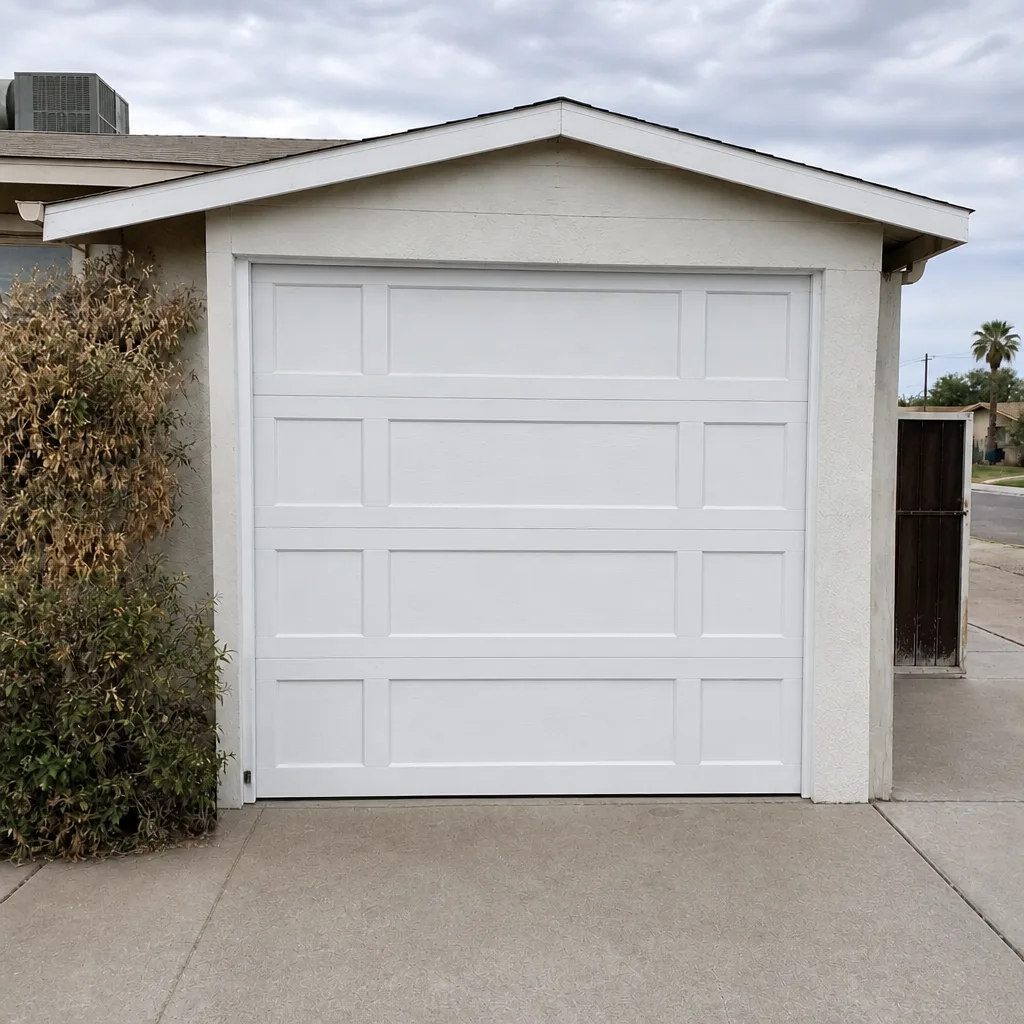
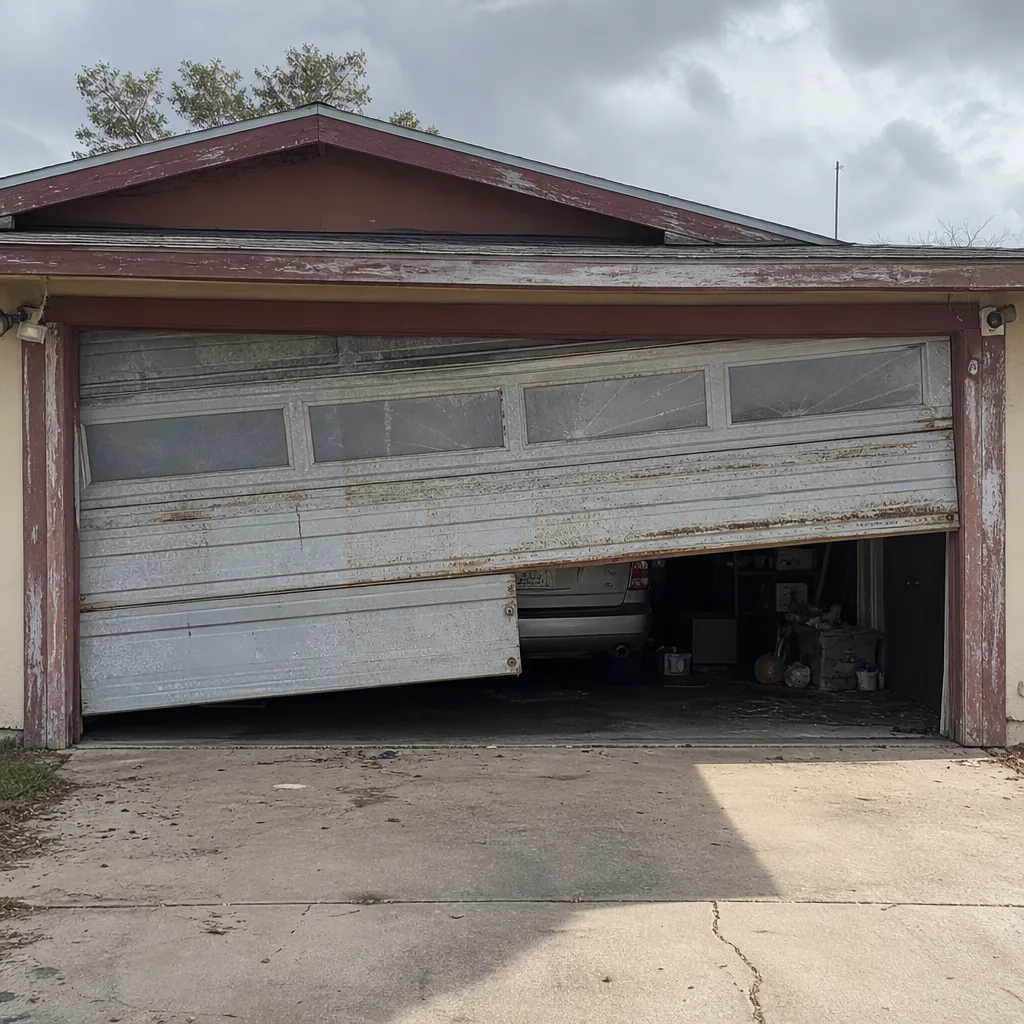
See the difference
 Before
 After
 Before
 After
 Before
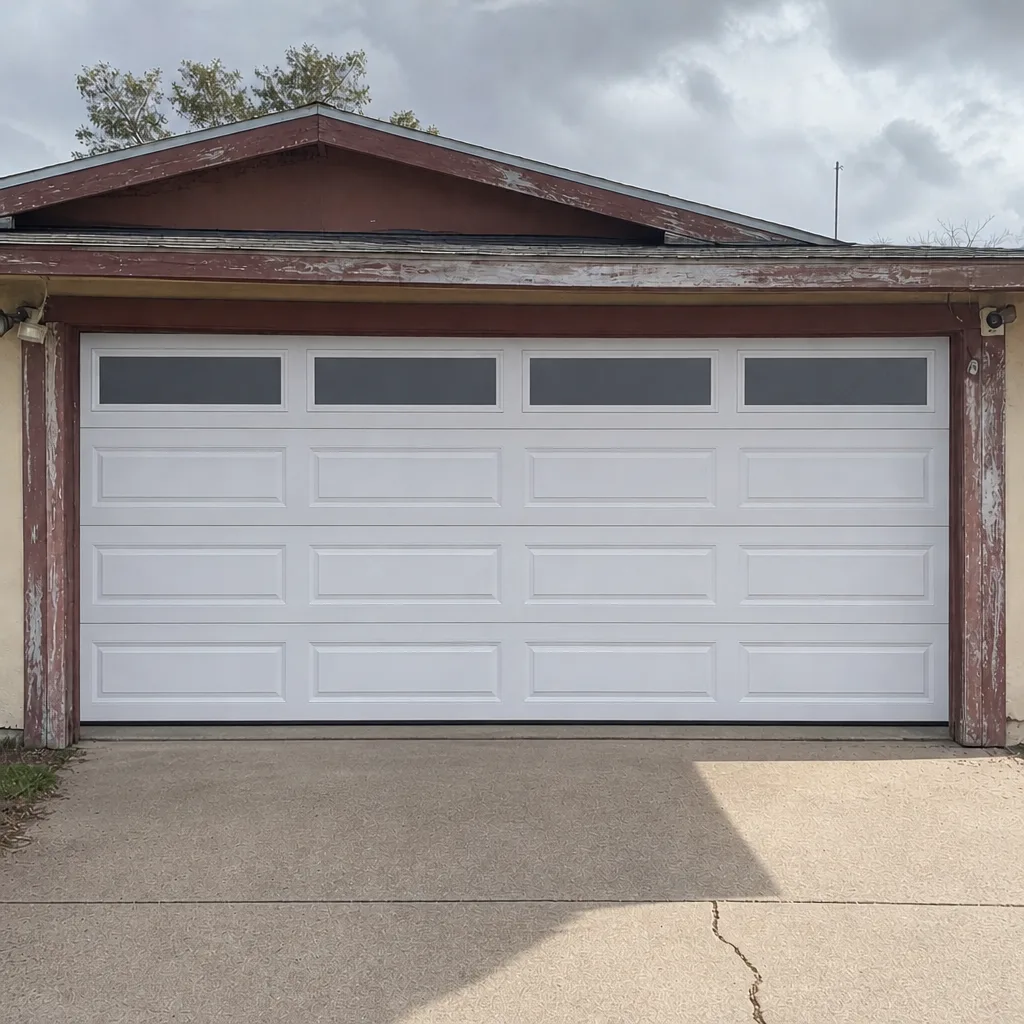 After
When to Call a Professional
Call a professional when the question is structural, electrical, or safety-related. If your door needs a new opening, a modified header, new framing, or a new circuit for the opener, you’re past the point where a knowledgeable neighbor can help, because the work requires permitting, inspection, and a licensed contractor to do it correctly.
Call us too if the door itself is doing something it shouldn’t: binding, reversing without cause, hanging unevenly, or making noise that wasn’t there before. Those symptoms are often a spring, cable, or roller issue on a door that doesn’t need a permit but does need attention. And call before you touch the springs or cables yourself. That’s the one part of this system where the risk of serious injury is real.
Stellar Garage Door Service offers free estimates in Peoria. Call (833) 620-5171. We answer 24/7. Fast dispatch, 7am-7pm. Whether your job is a simple repair or a full replacement that needs permitting and inspection, we’ll tell you which one it is, in plain language, before any work begins. Garage doors are all we do, and that includes knowing how the paperwork works in the city where we do it.
Frequently Asked Questions
Usually not, if it’s a true like-for-like replacement in the same opening with no structural or electrical changes. You do need a permit when the opening, header, framing, or electrical system changes. Call the City of Peoria building department and describe the job to confirm before you order. For a free estimate on the door work itself, call (833) 620-5171.
Replacing an opener on an existing electrical circuit typically doesn’t require a permit. Adding a new circuit or a new outlet where none existed does, because that’s electrical work. If you’re unsure which situation you’re in, the city’s building department can tell you in one call. Need an opener repaired rather than replaced? Call (833) 620-5171 for a free estimate.
It typically comes up as a title exception or a disclosure issue during the sale, and the resolution usually costs more than the original permit would have. Arizona requires sellers to disclose known material facts, so unpermitted work you know about becomes a problem you can’t quietly leave behind. If you suspect prior work wasn’t permitted, get it verified before you list. Call (833) 620-5171 to talk through what the work actually involves.
Yes. HOA architectural covenants run in addition to city code and are often stricter on style, color, and window configuration. That’s why the safe order is HOA approval first, then permitting, then order the door. In communities like Vistancia and Trilogy, architectural review is part of the process. Need a door that fits both? Call (833) 620-5171 for a free estimate.
No. Spring, cable, and roller replacement is maintenance and repair on an existing door, and it doesn’t fall under the permitting rules that apply to structural or electrical changes. It is, however, the most dangerous work on the system, and we strongly recommend a trained technician for it. Call (833) 620-5171 if your door needs spring or cable service.
Permit and inspection records are public, and the City of Peoria’s building department can pull the history for your address. If you’re buying, ask your agent to check before you remove contingencies. If you’re selling, check before you list so you’re not surprised later. Call (833) 620-5171 if you need the installation itself evaluated.
The Bottom Line
Garage door permitting in Peoria comes down to one question: is the structure or the electrical system changing? If not, you’re usually exempt, and a like-for-like replacement can proceed. If it is, get the permit, get the inspection, and keep the paperwork, because a home sale years from now is where unpermitted work has a way of resurfacing.
Layer HOA approval on top for Peoria’s master-planned communities, understand that “like-for-like” doesn’t cover a heavier door on the same springs, and don’t touch the springs or cables yourself. The permit is the cheap part. The discovery is the expensive part.
For repair, opener work, or a replacement you want done right the first time, Peoria homeowners call (833) 620-5171 for a free estimate. We answer 24/7. Fast dispatch, 7am-7pm. The price is quoted and agreed before any work starts, and the written estimate sets the final price.
Written by the team at Stellar Garage Door Service.