
Last updated November 16, 2026
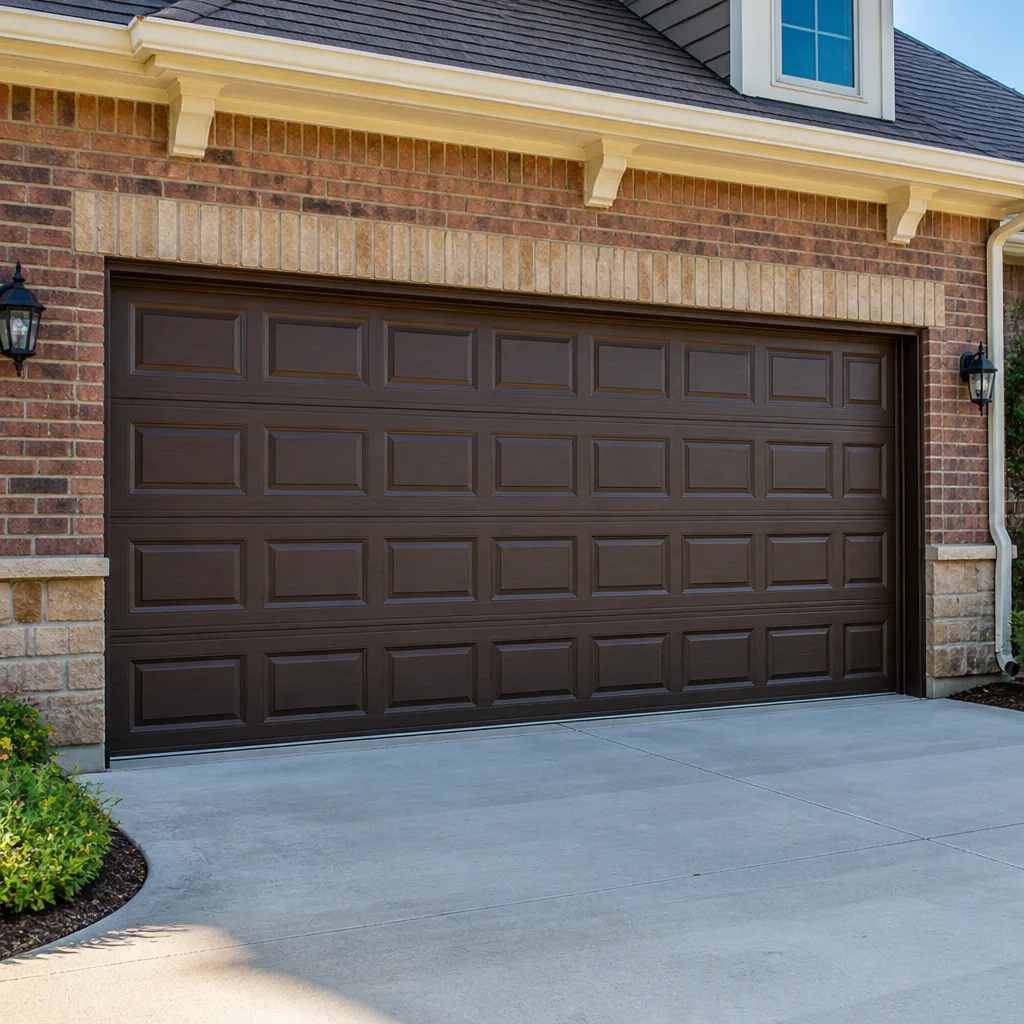 Raised-panel steel
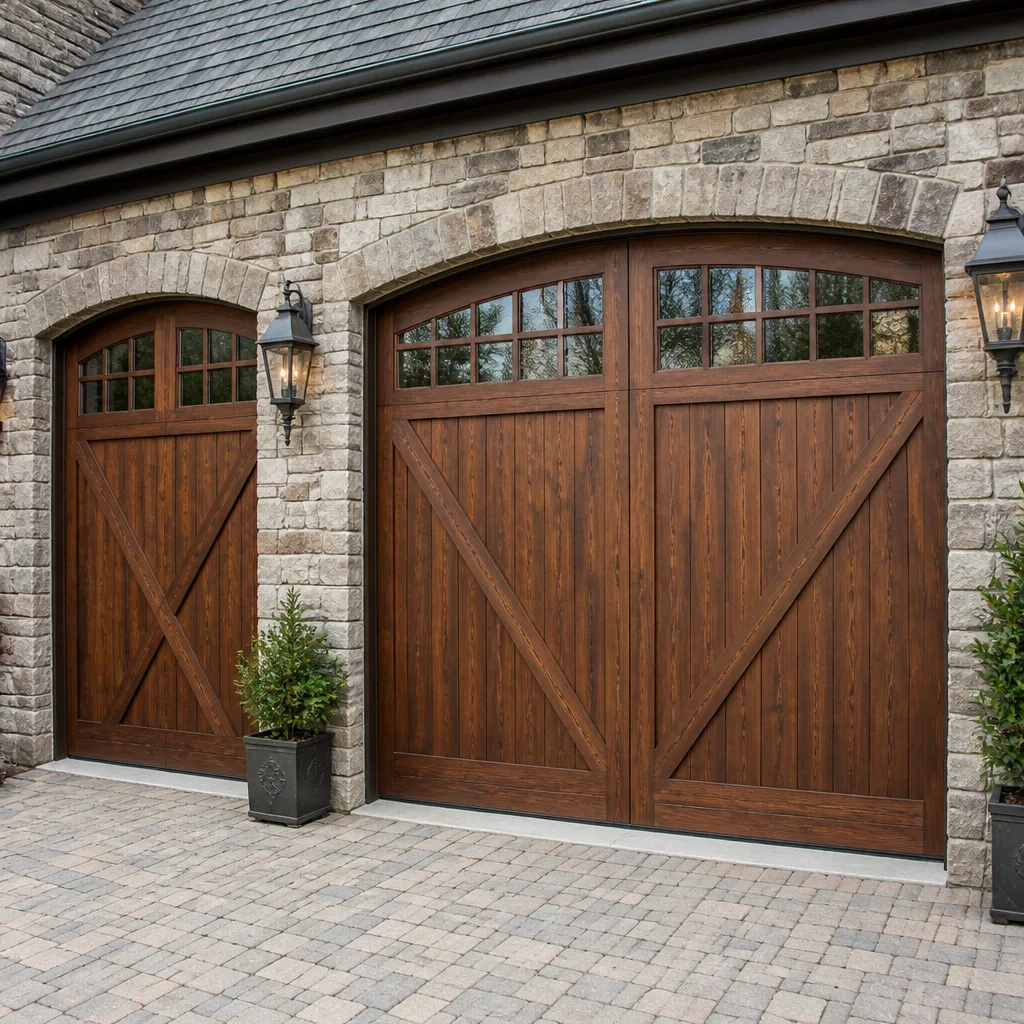 Carriage house
 Modern flush
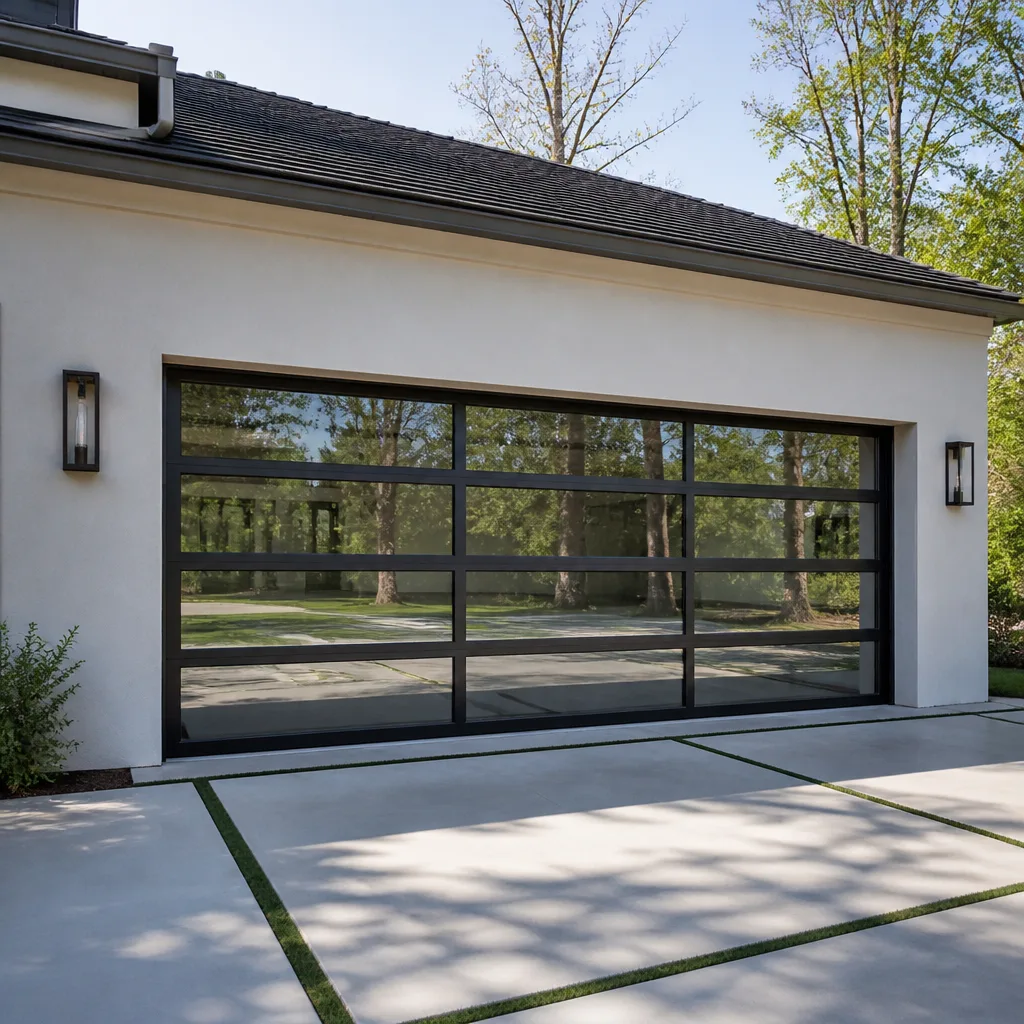 Full-view glass
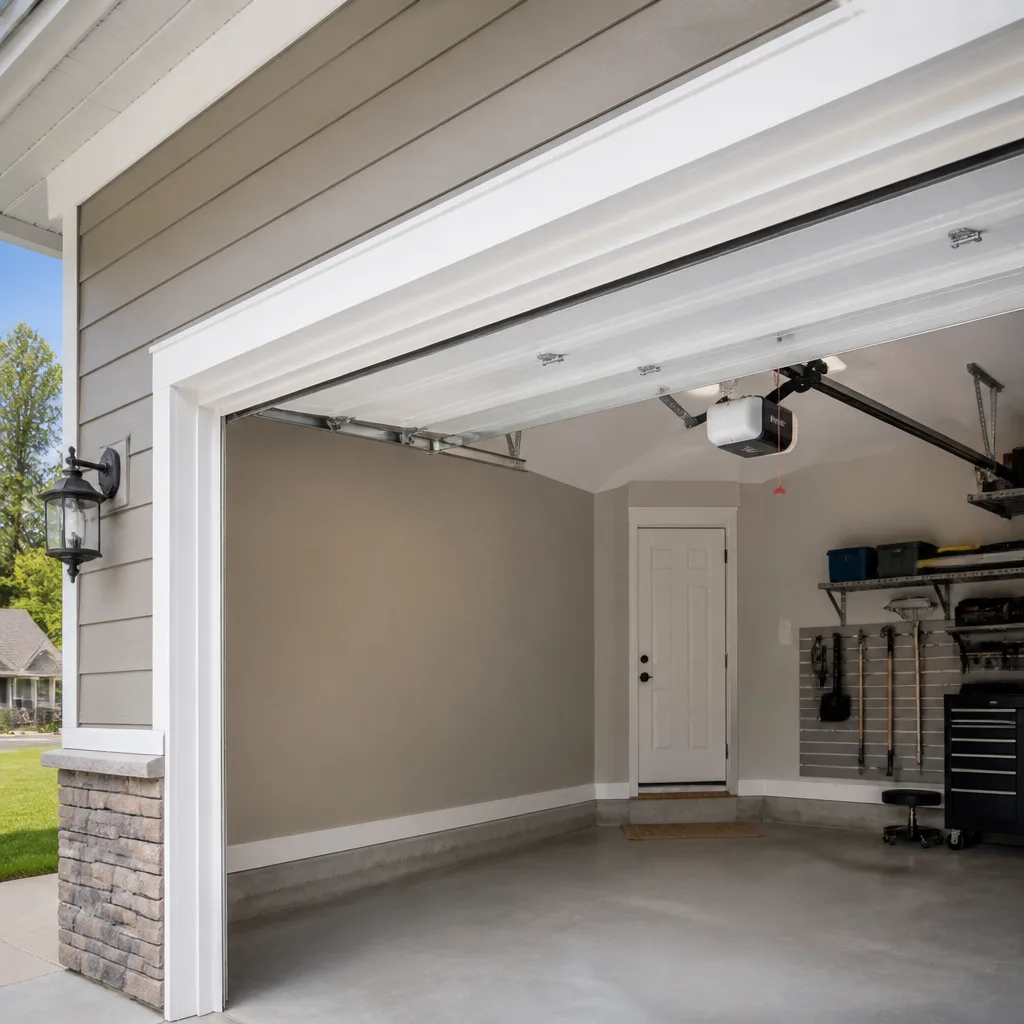 LiftMaster openers
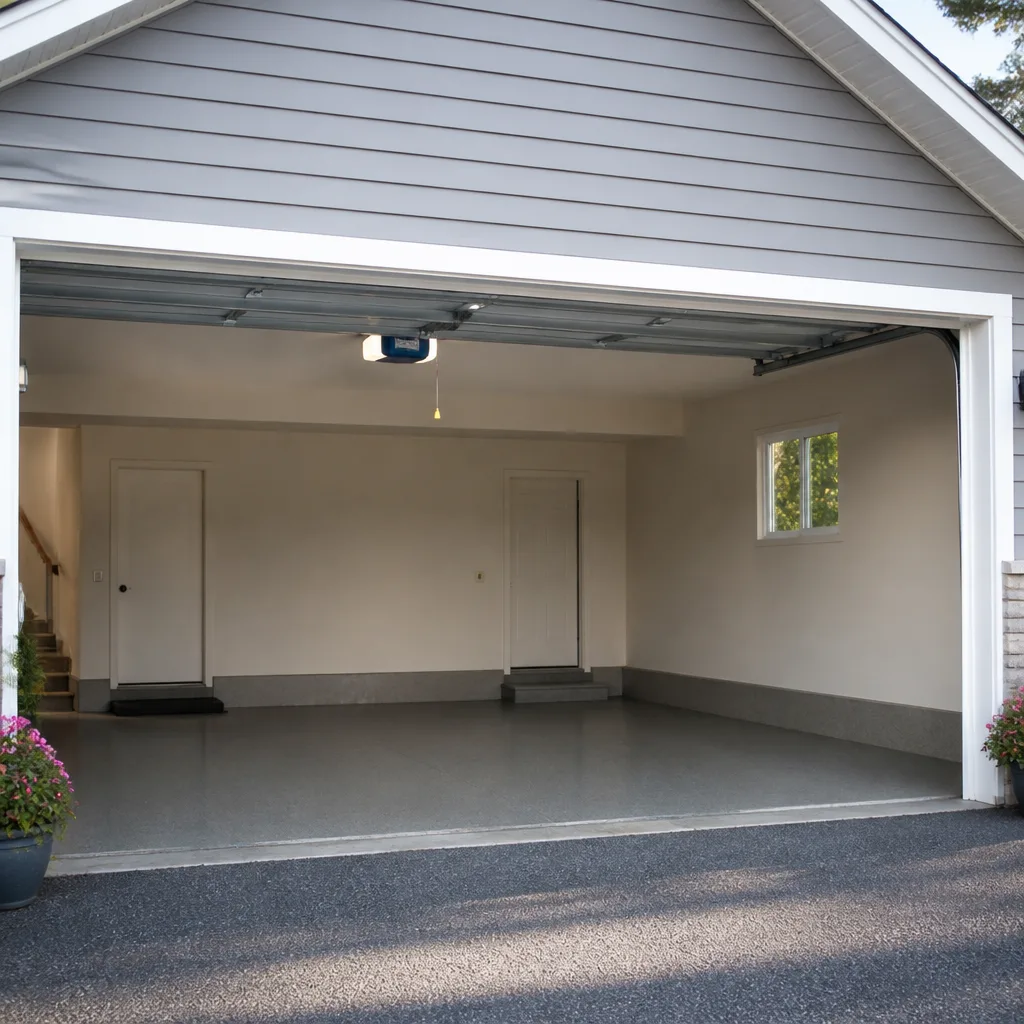 Chamberlain openers
Full 25-point door and opener safety check with every visit - springs, cables, rollers, tracks, and your LiftMaster or Chamberlain opener included
You get a price before we start. It does not change when the pro arrives.
Get your free estimateGarage Door Repair Maintenance Checklist for Peoria Homeowners
Ask most homeowners what a garage door tune-up involves and you’ll hear the same answer: spray some lubricant on the tracks and call it done. In Peoria, that advice falls short. The task that actually prevents the most service calls here isn’t lubrication at all. It’s cleaning the photo-eye sensors, which collect a fine film of desert dust that makes a perfectly healthy opener reverse for no obvious reason. To anyone who doesn’t work on doors every day, a dusty sensor looks exactly like a dead opener. This guide walks through a full year of maintenance built around the failure patterns we see on Peoria service calls, from pre-summer heat prep to post-monsoon seal checks, and shows you what you can safely handle yourself and where a trained technician belongs.
Quick Answer
A solid garage door maintenance routine in Peoria means monthly photo-eye cleaning and balance checks, quarterly lubrication with a heat-stable product, spring and cable inspections every season, a bottom-seal check after monsoon season, and an opener battery-backup test before summer. Most of these tasks take under fifteen minutes. Torsion springs, cables, and any work under tension are strictly professional territory.
Styles & brands we work with
- Raised-panel steel
- Carriage house
- Modern flush
- Full-view glass
- LiftMaster openers
- Chamberlain openers
Table of Contents
- A Month-by-Month Maintenance Schedule for Peoria
- Photo-Eye Sensors: The Task Nearly Everyone Skips
- Choosing Lubricant That Survives 100°F-Plus Heat
- Torsion Spring Checks: What to Observe and What to Leave Alone
- Inspecting and Replacing Bottom Seals After Haboob Season
- Testing Opener Battery Backup Before Summer Outages
- Balance and Safety-Reverse Tests You Can Run Safely
- Seasonal Prep: Pre-Summer, Post-Monsoon, and Winter Minimums
A Month-by-Month Maintenance Schedule for Peoria
Generic checklists tend to assume four mild seasons and a damp climate. Peoria doesn’t work that way. Summer heat pushes 100°F and beyond for months, the monsoon arrives mid-summer with wind-driven dust and sudden rain, and winters bottom out near freezing on the coldest mornings. Each of those conditions stresses a different part of the door and opener system, so the schedule below is arranged around when each problem is most likely to show up in Peoria.
Read it as a rhythm rather than a rigid rule. If you check the basics monthly, the seasonal items become confirmation rather than discovery.
- Every month: wipe the photo-eye lenses, run the safety-reverse test, listen for new noises during the door’s travel, and look at the tracks for debris.
- Early spring: clean and lubricate hinges, rollers, and the torsion bar bearing plates. Test opener battery backup before the first heat wave. Inspect the bottom seal for cracking that got worse over winter.
- Before summer: full balance test, spring observation, tighten any loose opener brackets, and check that the door closes fully against the seal without a gap.
- After monsoon season: inspect the bottom seal for grit and wear, clear dust from tracks and sensors, check for loose fasteners, and look over the panels for dents or impact damage.
- Winter: listen closely on the coldest mornings. Metal contracts, and hardware that was quiet in July may begin to tick. Check that lubricant hasn’t dried out, and re-test the safety reverse.
Homeowners in Westbrook Village and Vistancia often schedule their spring and post-monsoon checks in the same weeks each year, which makes changes easy to spot from one season to the next. That’s the real value of a schedule: you notice small shifts before they become repair calls.
Photo-Eye Sensors: The Task Nearly Everyone Skips
The two small lenses mounted near the bottom of the door’s tracks are photo-eye sensors. They fire an invisible beam across the opening, and if anything breaks it, the door reverses. When dust collects on either lens, the opener reads it as an obstruction and reverses the door. What follows looks like a malfunctioning opener: the door goes down partway, jumps back up, and repeats. In Peoria, that dust is part of daily life. It settles on everything after a windy day and builds up within weeks.
Cleaning them takes about a minute:
- Open the door fully so you have clear access to both sensors.
- Use a soft, dry microfiber cloth, or a cloth lightly dampened with water, and wipe each lens gently. Don’t spray cleaner directly onto the sensor.
- Look for spider webs or grit around the housing and brush them away.
- Stand where the door will see you and pass your foot through the beam with the door in its down position. The door should reverse. If it doesn’t, the sensors are misaligned or failing.
Do this monthly. It’s the single highest-value minute you’ll spend on your garage door all year, and it prevents a large share of the “opener won’t stay closed” calls we handle across Peoria. If cleaning doesn’t solve the reversing, the sensor itself may have failed or drifted out of alignment. That’s when it’s worth calling for garage door opener repair, since a sensor fault is an opener issue, not a door issue.
Choosing Lubricant That Survives 100°F-Plus Heat
Most lubricant advice is written for garages that never get hot. In a Peoria garage in July, a light household oil thins out, drips off the moving parts, and leaves them dry. Worse, thin oil attracts grit, and grit turns into a sticky paste that grinds down rollers and hinges. The result is a door that gets noisier and harder to move, even though you “just lubricated it.”
What holds up here:
- Look for a garage-door-specific or white lithium grease. These stay put at high temperatures and don’t thin into a runny film.
- Avoid thin spray oils and general-purpose household oil on hinges and rollers. They’re the ones that fail first in the heat.
- Keep silicone spray for the tracks and weatherstripping. A light silicone on the vertical tracks reduces friction without collecting grit. Never grease the tracks themselves; that attracts dust and clogs the rollers.
- Lubricate the torsion spring sparingly. A very light coat reduces coil friction and keeps rust down. Don’t soak it.
- Re-apply seasonally. Spring and post-monsoon are sensible windows. Re-check after any dust event; grit can dry out a fresh coat faster than the calendar suggests.
A clean, properly lubricated door runs quieter, puts less strain on the opener motor, and lasts longer. After a dusty stretch in Peoria, wipe the old lubricant and grit off the hinges before reapplying. Layering fresh grease over grit just makes a mess.
Torsion Spring Checks: What to Observe and What to Leave Alone
Torsion springs are the coiled springs mounted on the shaft above the door. They counterbalance the door’s weight, and when they’re working, the door feels light. When they’re not, the door feels heavy and the opener struggles. This is where maintenance advice has to be clear about one thing: you can look, but you should not touch. Torsion springs and the cables that run with them hold enormous stored tension. The wrong adjustment can release that energy suddenly and cause serious injury. There is no safe DIY path here.
What a homeowner can safely observe:
- Visible gaps or breaks. When a torsion spring fails, it usually breaks at a coil with a visible gap. You can see that from the floor without touching anything.
- A heavy door. If it suddenly takes effort to lift the door by hand, a spring may have lost tension. Do this test by hand with the opener disengaged, with care, and without continuing if the door feels unmanageable.
- Odd sounds. A loud bang from the garage and a door that won’t open are a classic sign of a failed spring.
- Uneven travel. If the door rises crooked or hesitates, stop using the opener and call for a diagnosis.
What requires a specialist: adjusting, tensioning, or replacing torsion springs, and anything involving the lift cables. General contractors often skip this work entirely because it’s a specialized, high-risk job. In our experience, a trained, insured technician is the only person who should be under that shaft. If a spring has failed, don’t keep cycling the opener. That strains the motor and turns a spring replacement into a spring-plus-opener repair.
Inspecting and Replacing Bottom Seals After Haboob Season
The bottom seal (also called the astragal) is the rubber strip running along the bottom of the door. It seals out dust, wind-driven rain, and pests, and it’s the first line of defense during monsoon season. A haboob pushes fine dust and grit against the door, and that grit works its way into the seal and wears it out. Combine that with months of extreme heat drying out the rubber, and the seal is often the fastest-wearing part on the whole door.
What to look for after a dusty summer:
- Cracks and hardness. Press the seal with a thumb. If it cracks or feels brittle rather than springy, it’s ready for replacement.
- Gaps. Close the door and look along the floor line. A continuous gap lets in dust and water, and it’s the most common seal failure.
- Tears or missing sections. Grit and impact damage show up as rips along the edge.
- Compressed or flattened profile. Some seals close the gap when new but permanently flatten in the heat.
Replacing a bottom seal is one of the more approachable upkeep tasks, but the fit matters. The new seal has to match the door’s bottom profile, and many brands use different channel styles. Clopay and Amarr doors, for example, use their own seal geometry. The right seal keeps the door tight against the floor, cuts draft and dust infiltration, and helps the door sit squarely on its track. If your seal needs replacement, we handle garage door repair on any brand. When you’re not sure which profile your door uses, bring a photo of the bottom channel; it’s the quickest way to identify the right part.
Testing Opener Battery Backup Before Summer Outages
Many modern openers ship with battery backup so the door still works when the power goes out. In Peoria, summer power outages are a real scenario, and a dead backup battery means a stranded car in a closed garage. The failure isn’t usually broken electronics; it’s a battery that sat untested through the year and quietly aged out. Testing it twice a year is a simple habit that pays off on the one day you need it.
A safe testing protocol:
- Find the battery compartment on the opener motor head. Most units have a removable cover or a door that lifts off.
- Check the unit’s status light for a low-battery or fault indicator. Many openers signal a battery warning with an LED pattern near the motor head.
- Run a controlled outage test. With everyone clear of the door, trip the breaker that feeds the opener, or unplug the opener from its outlet. Press the wall control or remote and confirm the door opens and closes on battery alone. Restore power afterward.
- Do the test before summer and again in fall. A battery that won’t hold a charge is the one you want to discover before a storm, not during one.
- Replace the battery on a routine cycle. Follow the opener’s recommended interval, and don’t rely on “it worked last year” as proof it’ll work next year.
LiftMaster and Genie openers both offer battery-backup models, and the battery type differs by unit. If the backup system won’t hold a charge, we can take a look as part of garage door opener repair and tell you whether it’s a battery, a charging circuit, or the control board.
Balance and Safety-Reverse Tests You Can Run Safely
Two tests catch the most problems, and both are safe for homeowners to run. The balance test checks whether the door is properly weighted. The safety-reverse test checks whether the door will stop when something is in its path. Do both monthly, and you’ll catch issues while they’re small.
Balance test:
- Close the door fully, then pull the opener’s manual release cord to disconnect it.
- Lift the door by hand to about waist height and let go. A balanced door stays where you put it. An unbalanced door drifts down or springs up.
- If the door won’t stay put, springs or counterbalance parts need attention. Stop using the opener and call for a technician. Reconnect the opener only when the door is balanced and you’re clear of the moving parts.
Safety-reverse test: With the door open, place a small board or block flat on the floor in the door’s path, then close the door. It should reverse when it contacts the block. If it doesn’t, stop using the opener until the sensors and mechanics are checked. Safety-reverse failure is a serious safety issue, not a nudge to live with. The bottom seal needs to be intact and the sensors clean for this test to mean anything.
Both tests take a couple of minutes. Running them on the same day each month makes the routine stick.
Seasonal Prep: Pre-Summer, Post-Monsoon, and Winter Minimums
Peoria’s seasons don’t fall in the tidy pattern most national checklists assume, so treat the calendar as three maintenance windows rather than four broad seasons.
Pre-summer heat prep: Lubricate every hinge, roller, and bearing plate with a heat-stable product. Run the balance test and safety-reverse test. Test battery backup. Check the bottom seal for brittleness before the heat dries it further. Tighten loose bolts on the opener rail and door hardware, since expansion from heat can loosen them. If any noise has crept in over spring, this is the window to fix it, before the heat makes it worse.
Post-monsoon inspection: Wipe down the photo-eyes, clear grit from the tracks, and check the bottom seal for wear and tears. Walk the door panels and look for impact damage or dents from wind-blown debris. Listen for new rattles that weren’t there before. A door that got through the dust season clean and quiet is usually set for the rest of the year.
Winter minimum-temperature checks: On Peoria’s coldest mornings, metal parts contract and hardware can tick or creak. Check that lubricant hasn’t dried out, re-test the safety reverse, and look for any gap that opened at the bottom seal. Winter is mild here, but the temperature swings are enough to reveal loose fasteners and worn parts, which is useful information while there’s time to address it calmly.
One more useful habit: keep a simple log of what you check and when. Over a year, the pattern of a particular noise or a door that keeps drifting becomes obvious. That history makes any repair faster to diagnose, and any technician will thank you for it.
Common Mistakes to Avoid
- Lubricating the tracks. Tracks need to stay clean and dry, with a light silicone at most. Grease on the tracks collects grit and clogs rollers, which makes the door harder to move.
- Using thin household oil on hinges and rollers. It thins out in a Peoria summer and attracts dust. Use a heat-stable grease, not a general-purpose oil.
- Ignoring the photo-eye sensors. Dust on the lenses mimics a broken opener. Clean them monthly before deciding the opener has failed.
- Adjusting torsion springs or cables yourself. This is the most dangerous part of the door system. Don’t attempt it, no matter how many online videos suggest otherwise.
- Leaving the door closed on a popped spring. Running the opener against a failed spring strains the motor and risks more than a spring repair. Stop and call.
- Skipping the battery-backup test. A battery that hasn’t been tested is not a backup. Test before summer, every year.
- Replacing the whole door because of one worn part. Most doors don’t need replacement. Don’t let a bare bottom seal or a misbehaving sensor push you toward a new door.
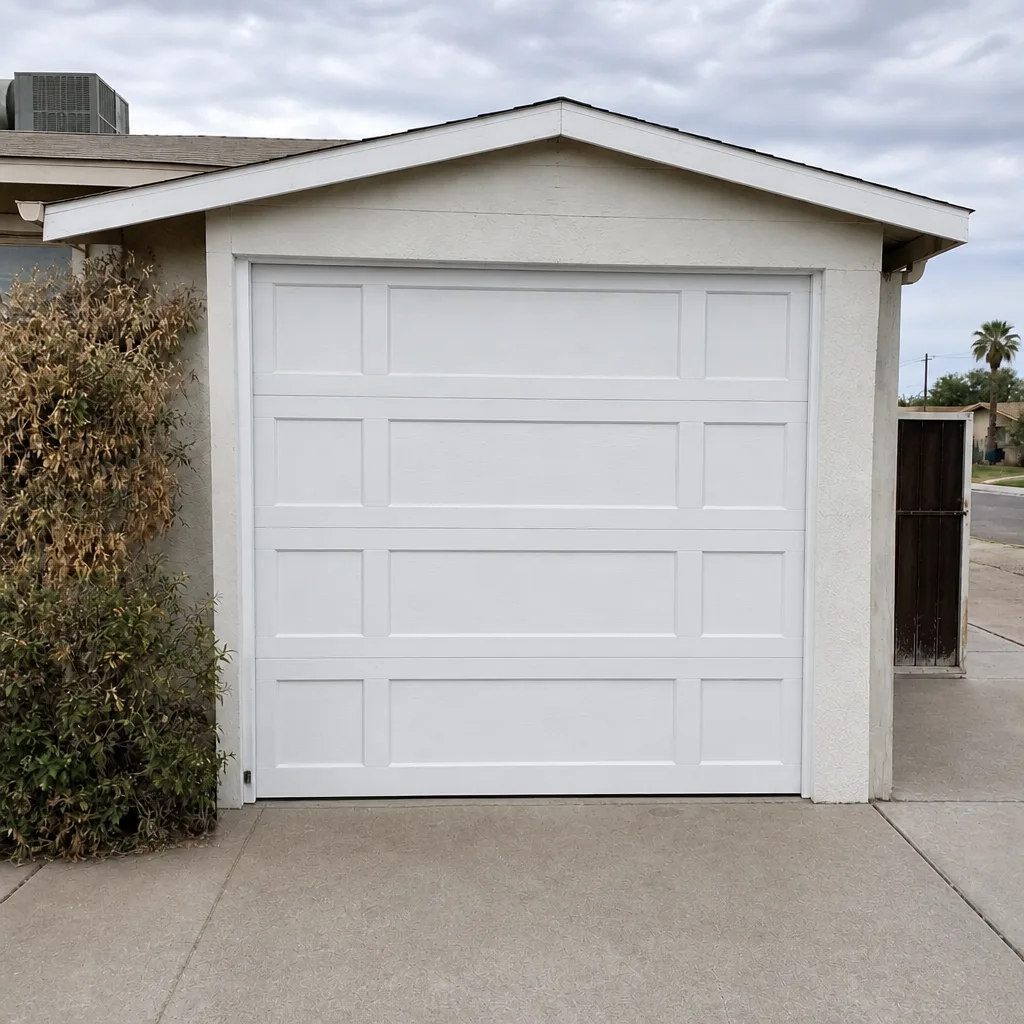
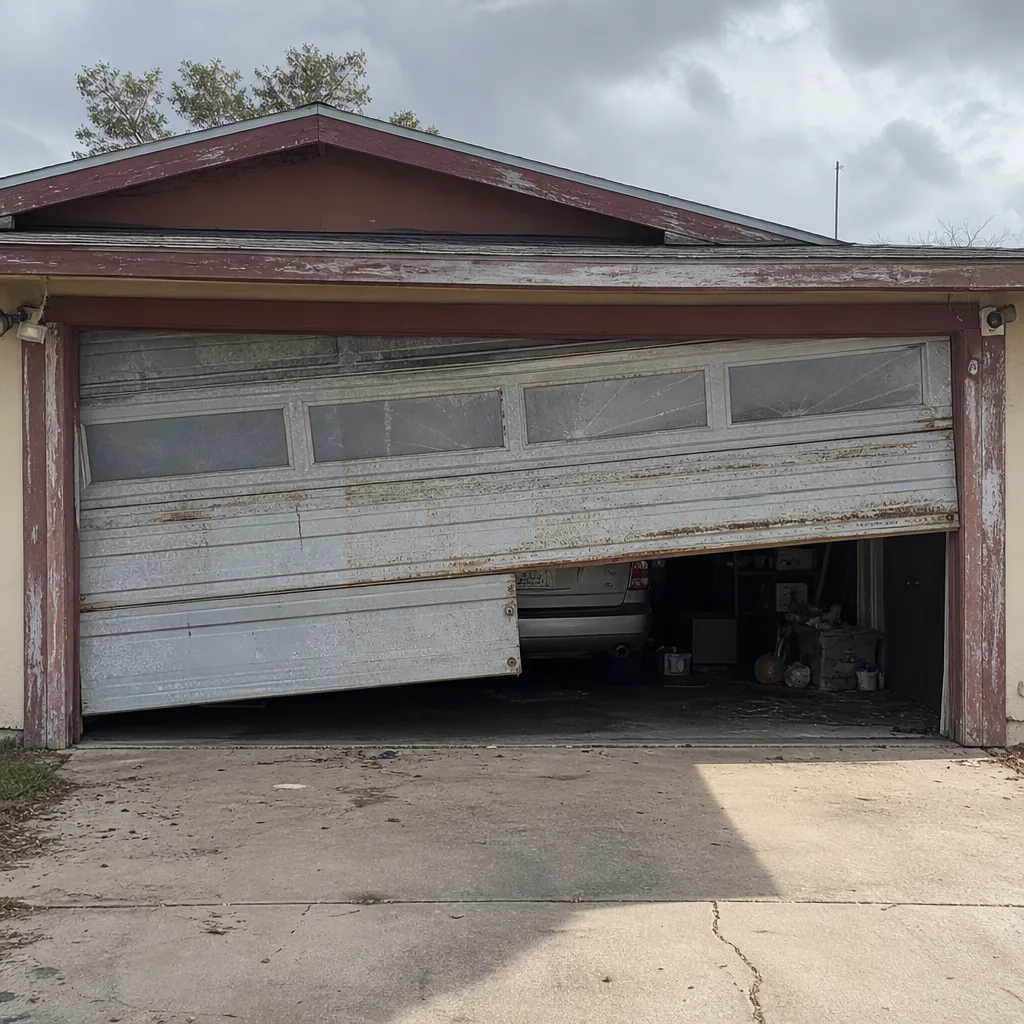
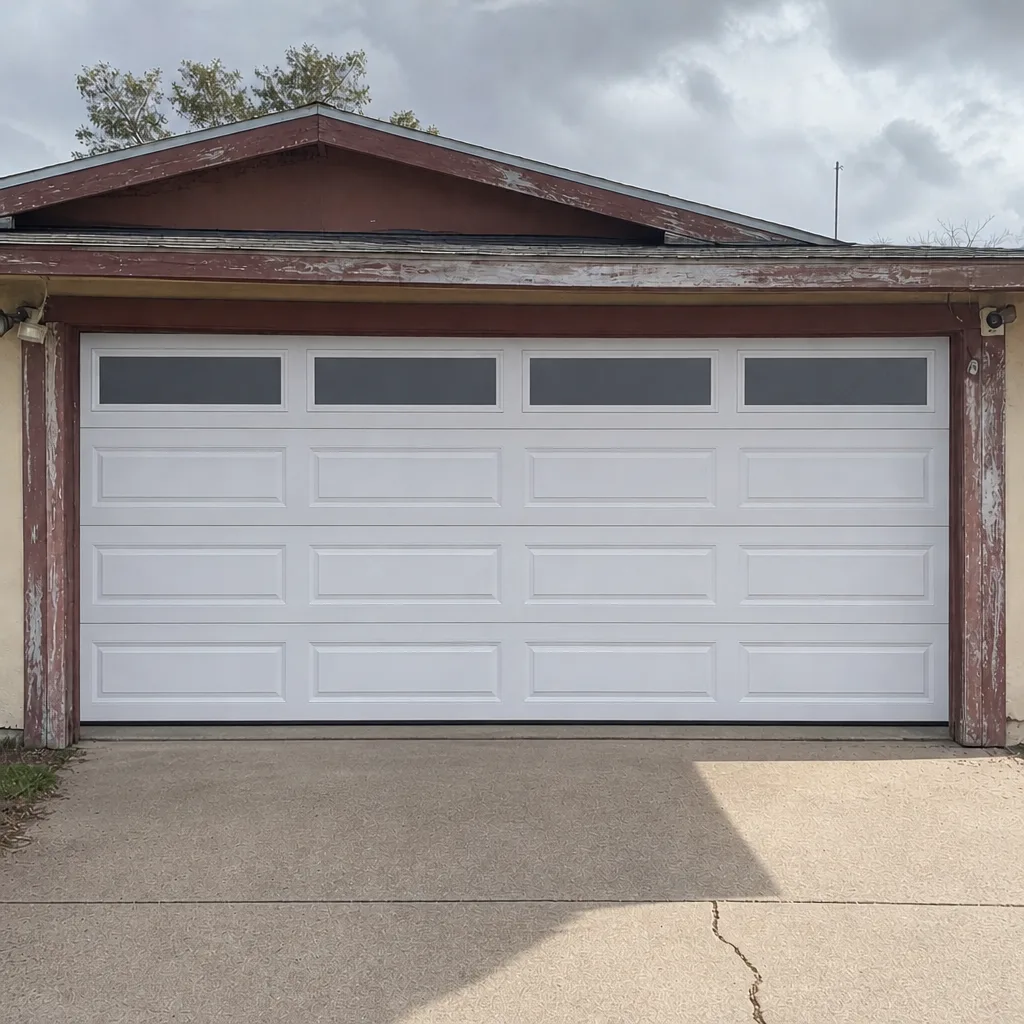
See the difference
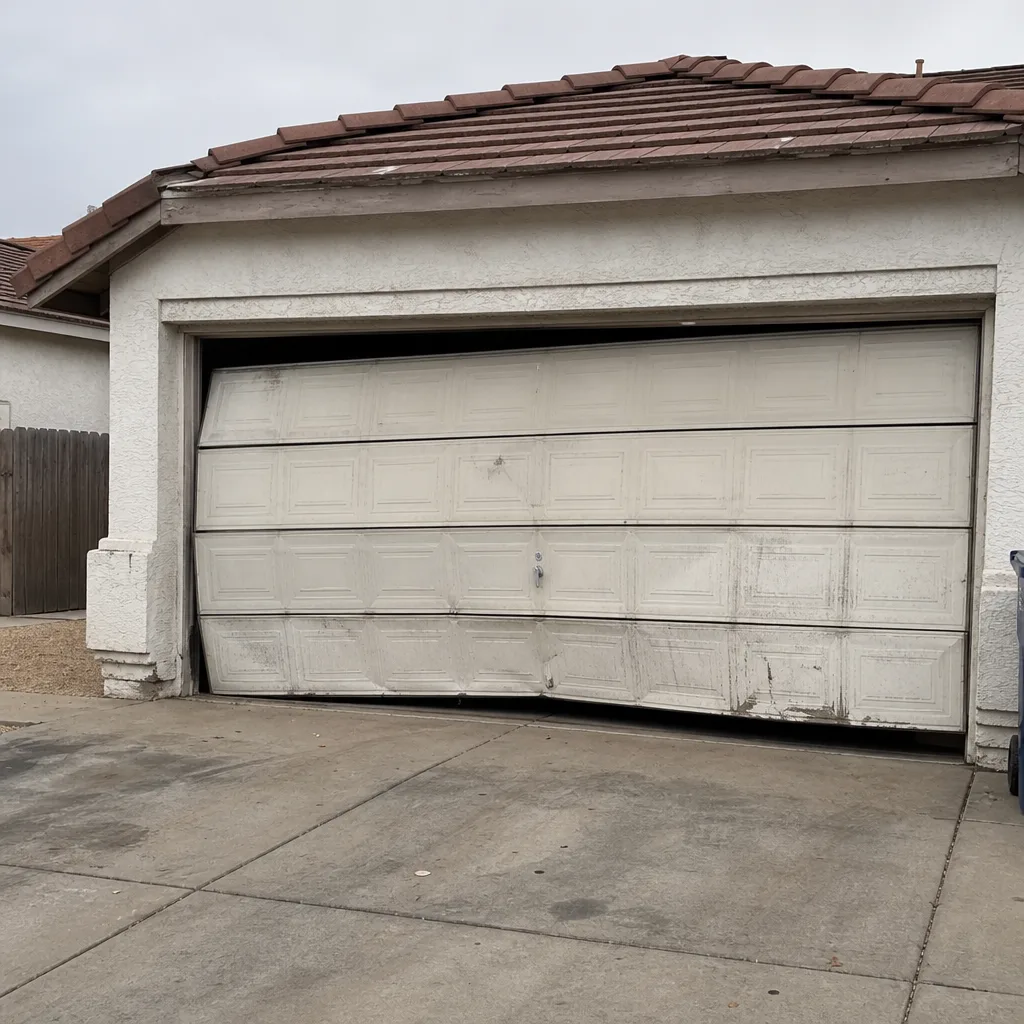 Before
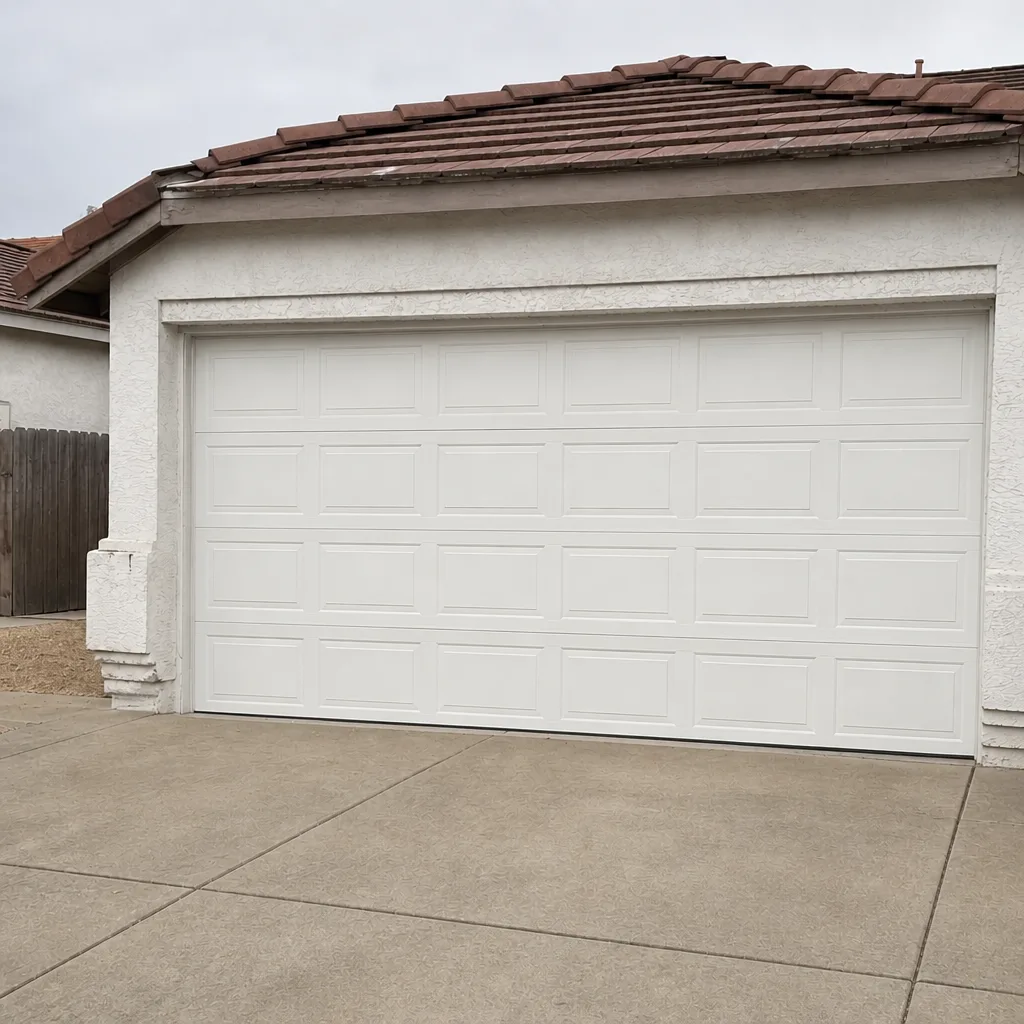 After
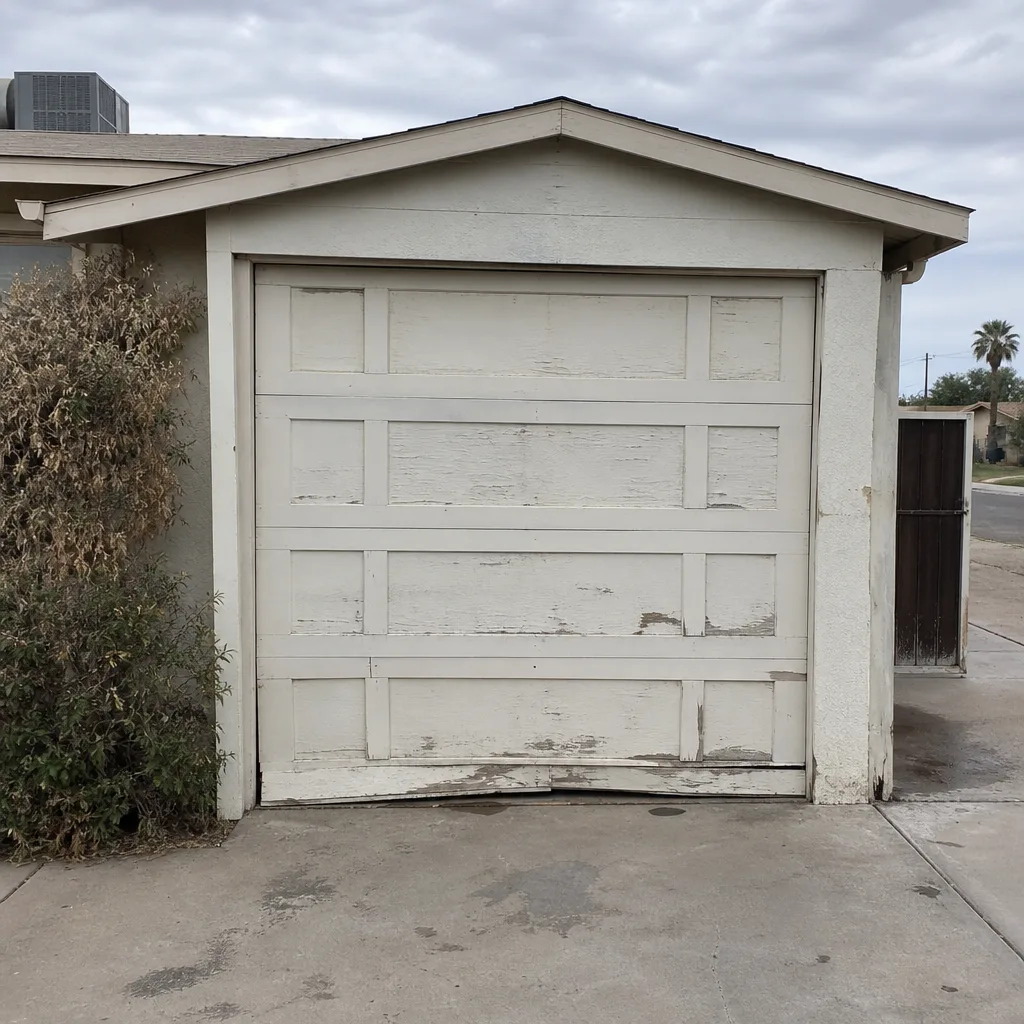 Before
 After
 Before
 After
When to Call a Professional
Most of what’s on this checklist is homeowner-safe: cleaning, lubricating, testing, and observing. Some situations aren’t. Call a trained technician if you notice a broken torsion spring, a door that feels suddenly heavy, cables that are frayed or slack, or a garage door that comes off its track. Stop using the opener if the door won’t stay balanced, and don’t try to fix a safety-reverse failure on your own. Loosen any fastener only if you’re confident it’s not holding tension. Stellar Garage Door Service offers free estimates in Peoria. Call (833) 620-5171. We answer 24/7, with fast dispatch from 7am to 7pm. Our technicians have up to 8 years of experience and handle garage doors in Peoria on every brand, from Clopay and Amarr to LiftMaster and Genie.
Frequently Asked Questions
Monthly, at minimum, and more often after a windy stretch. Fine dust settles quickly and causes phantom reversals that look like an opener fault. A quick wipe with a soft cloth does the trick. If the door keeps reversing after cleaning, call (833) 620-5171 for an exact quote. Estimates are free.
A garage-door-specific or white lithium grease holds up best at 100°F-plus. Thin household oils dry out and attract grit, which makes the door noisier and harder to move. Apply spring and post-monsoon, and wipe grit off before reapplying. For a quote on a full tune-up, call (833) 620-5171.
You can observe, but not adjust. Visible gaps, odd sounds, and a door that suddenly feels heavy are signs to stop using the opener and call a specialist. Torsion springs and cables hold serious stored energy. Never loosen or adjust them yourself. For spring repair, call (833) 620-5171 for a free estimate.
Press it with a thumb. If it cracks or feels brittle rather than springy, or if there’s a visible gap along the floor when the door is closed, it’s time to replace it. Match the new seal to your door’s bottom profile; Clopay and Amarr use different channel styles. Call (833) 620-5171 for help identifying the right seal.
Trip the opener’s power at the breaker or unplug it, then use the wall control to open and close the door. It should run on battery alone. Restore power afterward. Test before summer and again in fall, and replace a battery that won’t hold a charge. Need the right battery for your unit? Call (833) 620-5171.
No. Pricing is set per job by a written estimate, which is agreed before any work begins. The written quote is the price. Call (833) 620-5171 for a free estimate, and you’ll know the price before we touch the door.
The Bottom Line
Garage door maintenance in Peoria comes down to handling the small, safe checks yourself so the big ones never surprise you. Clean the photo-eye sensors monthly. Lubricate with a heat-stable product before summer. Look at the bottom seal after every dusty stretch. Observe the springs and never touch tension parts. Test the battery backup before summer, not during a storm. Do those and you’ll replace far fewer parts and avoid the scramble of a door that fails at the worst time. When a check turns up something that belongs to a specialist, we’re one call away. Call (833) 620-5171 for a free estimate, with fast dispatch from 7am to 7pm. Head here for Stellar Garage Door Service, and for broader service areas visit Peoria. When it comes to garage door repair, repair first, replace only when necessary is how we approach every call.
Written by the team at Stellar Garage Door Service.